
Review · BERLIN
Sachsenhausen Concentration Camp Bus Tour in English from Berlin
Sachsenhausen is not a light sightseeing stop. It is a place of bare ground, reconstructed buildings, and hard facts about a camp where about 35,000 people died under Nazi rule. This four-hour trip gives you the setting, the history, and a guide to help you understand what you are seeing without leaving you to piece it together alone.
I like two things right away: the direct coach from central Berlin, and the guides trained by the memorial authority. Guides such as Hannah, Rebecca, Maria, Ariel, and Irish Paul have been praised for clear explanations and a careful approach to painful material. You also get the later Soviet use of the site, when another 12,500 people died between 1945 and 1950.
The tradeoff is time. This is an express-style visit, not a full-day study of every exhibition and inmate testimony. You will see the main parts of the memorial, but you may not have enough time to read every personal account. The walking is moderate, and the open site can be bitterly cold, so dress for the weather.
Key points to know before booking
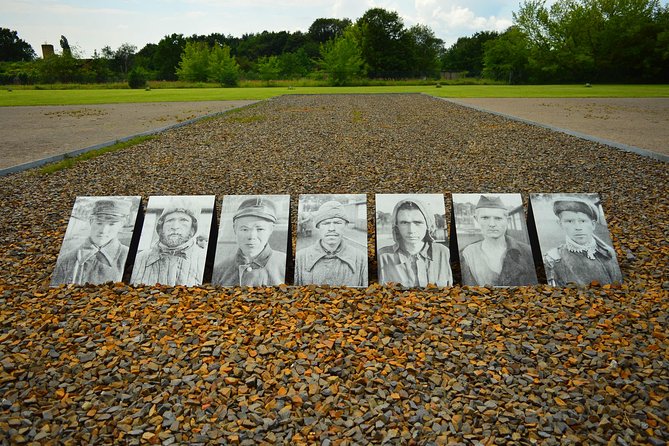
- Sachsenhausen tells two stories: the Nazi concentration camp from 1936 to 1945, followed by the Soviet special camp from 1945 to 1950.
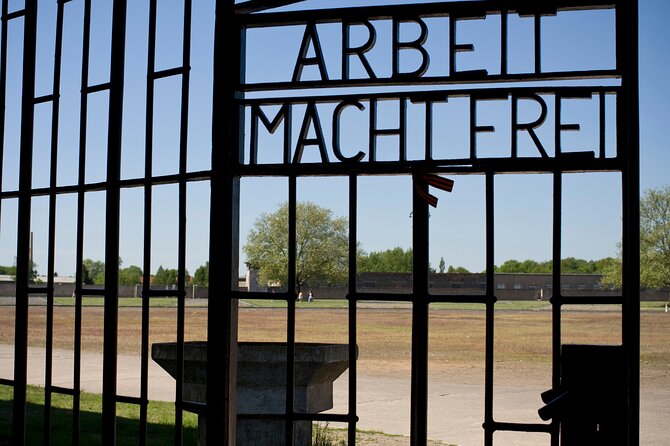
- Tower A and the gate: You walk through the original entrance area, where Arbeit Macht Frei remains visible.
- A guide makes the difference: Hannah, Rebecca, Maria, Ariel, Joseph, and Irish Paul are among the guides praised for clear, sensitive presentations.
- Central Berlin transport is included: An air-conditioned coach leaves from the Friedrichstraße area and returns there.
- Allow for substantial walking: The memorial is spread out, with outdoor sections and uneven or exposed areas.
- The visit moves quickly: It covers the major points well, but it leaves limited time for reading every individual story in the museum displays.
Why Sachsenhausen matters beyond a standard Berlin museum visit
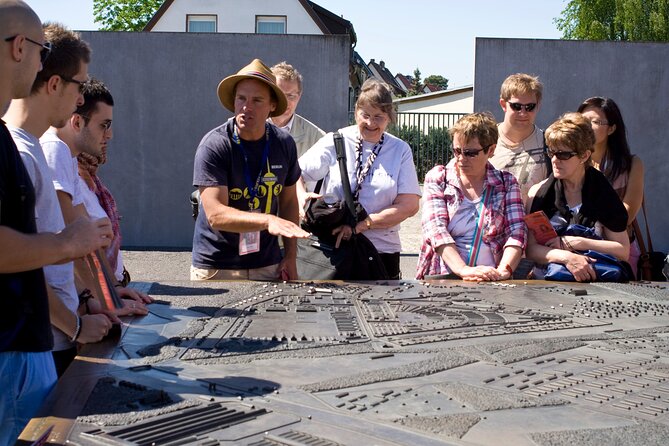
Berlin has many places tied to the Nazi period, but Sachsenhausen gives you a direct sense of how a concentration camp was planned and operated. The site was built in 1936 as a modern, expandable camp under Heinrich Himmler. Its layout was meant to show Nazi control, order, and power.
That cold efficiency is part of what makes the place so upsetting. The broad central area and repeated barracks blocks can look stark rather than dramatic. Do not expect a preserved village of buildings. Parts of the camp were destroyed, some structures are reconstructed, and the memorial uses open space, foundations, signs, and surviving buildings to explain what happened.
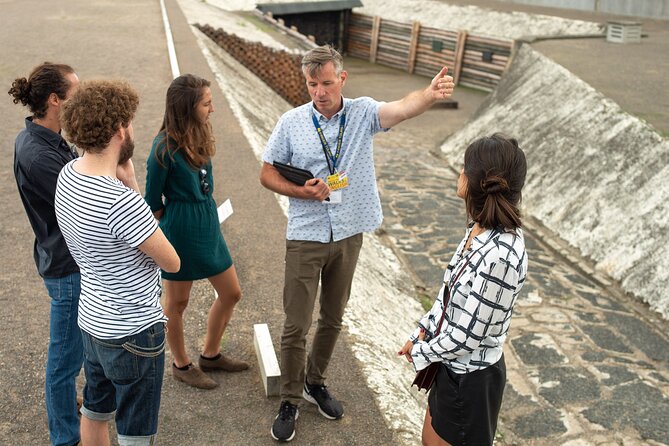
The guide helps you read the site as more than a collection of walls. You learn how the camp fitted into the surrounding town, where prisoners worked in Oranienburg, and what local people knew about the camp system. That wider setting matters. It moves the story beyond isolated crimes and shows how a camp could operate near an ordinary community.
More bus tours around Berlin:
- Berlin: Hop-on Hop-off Bus Tour with Live Commentary
★ 4.3 · 8,579 reviews - Berlin: Big Bus Hop-On Hop-Off Sightseeing Tour & Currywurst
★ 4.4 · 4,638 reviews - Berlin: City Sightseeing Hop-On Hop-Off Bus Tour
★ 4.1 · 4,233 reviews
The coach from Friedrichstraße to Oranienburg
You meet at Reichstagufer 17 near Friedrichstraße station at 10:00 am. Arrive at least 15 minutes early. This is important because the group leaves together, and missing the coach can mean missing the entire experience.
The coach is air-conditioned and takes you directly to Oranienburg, avoiding the need to arrange the regional train and local connections yourself. The ride also gives the guide time to introduce the history before you reach the memorial. That early context is useful. You hear about the rise of the Nazi regime, the camp system, and the role of Sachsenhausen before standing inside the grounds.
I like this format because the trip begins before the entrance gate. Guides have used the journey to explain where inmates worked in Oranienburg and what the local population may have known about the camp. That turns the transfer into part of the lesson rather than dead time.
Bring water and a snack. Food and drinks are not included, and the four-hour schedule does not include a meal stop. You will be outside and walking for much of the visit, so a small bottle of water is sensible.
Entering through Tower A and the camp gate
The first major moment comes at Tower A, the main entrance. You pass through the gate beneath the familiar words Arbeit Macht Frei. The phrase is associated with several Nazi camps, but here it is not a museum graphic or a photograph. It is part of the physical entrance to Sachsenhausen.
From there, the guide begins to show you how the camp was arranged. The central roll-call area, barracks locations, surviving structures, and empty sections all help explain the system of surveillance and control. The site can feel visually simple, but the guide fills in the purpose of each area.
This is also where the pace can feel brisk. The group has only about four hours for transport, guiding, and return to Berlin. If you like to stop at each panel and read every name or testimony, you may find yourself choosing between listening to the guide and studying the displays.
That is not a flaw unique to this tour. It is the basic choice you make when booking a guided half-day visit. You get a strong framework and the chance to ask questions, but not unlimited time with the memorial’s written material.
The commandant’s house and the camp’s machinery
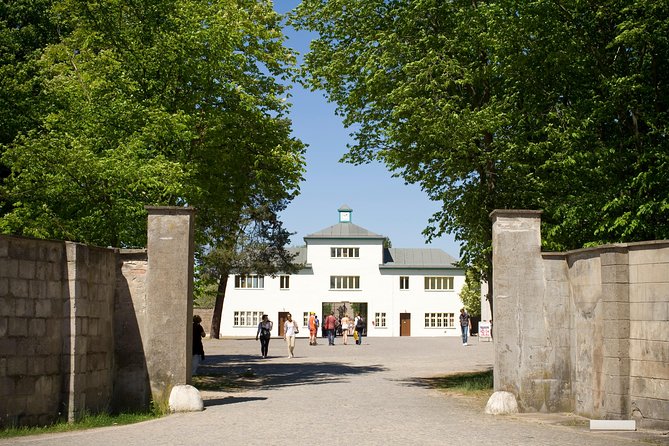
The commandant’s house helps show the contrast between the administrative side of the camp and the prisoners’ experience. The tour also explains the camp’s purpose as a model facility that could be expanded as Nazi persecution grew.
The word concentration camp covers many different functions, and Sachsenhausen changed over time. It held political prisoners, forced laborers, prisoners of war, and others persecuted by the Nazi state. Your guide sets out the broader system and then connects it to the specific spaces you walk through.
The strongest guides do not simply recite dates. They explain how policy became daily routine: registration, forced labor, punishment, disease, hunger, and death. Joseph, for example, was praised for placing the camp within the social and political setting of Berlin in the 1930s. That kind of background helps you understand what led to Sachsenhausen rather than treating it as an isolated horror.
Same streets, a different ride:
- Berlin: East and West Hop-On Hop-Off Bus Tour
★ 4.2 · 2,195 reviews - Berlin: English Bus Tour to Sachsenhausen Concentration Camp
★ 4.9 · 1,380 reviews - Berlin: 1.5-Hour Comedy Bus Tour in German
★ 4.5 · 1,165 reviews - Berlin City Hop-on Hop-off Tour with Optional Cruise
★ 3.5 · 1,155 reviews
Infirmary barracks and the human cost
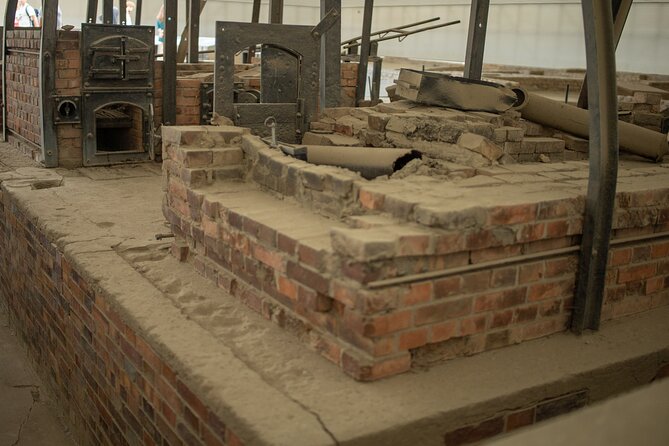
The infirmary barracks are among the most difficult parts of the visit. They were connected to medical experimentation during the war, and the guide explains what took place there and how prisoners experienced illness, treatment, and neglect.
This is a point where the tone of the guide matters. The most useful approach is factual, respectful, and restrained. Several guides have received strong praise for handling the subject with care, including Rebecca, Mikhail, Irish Paul, and Maria. Their role is not to dramatize suffering, but to make the evidence understandable.
You may find the experience emotionally heavy. One visitor described being affected only near the end of the visit, after initially expecting to cry throughout. That is a useful reminder that there is no correct emotional response. You may feel angry, numb, upset, or simply quiet. The tour allows the site to speak through its evidence without forcing a reaction.
The memorial also contains individual stories and written accounts. These can personalize the larger numbers, but the schedule may not give you enough time to read them all. If personal testimony is your main reason for visiting, consider returning independently on another day, if your schedule allows.
The Soviet special camp from 1945 to 1950
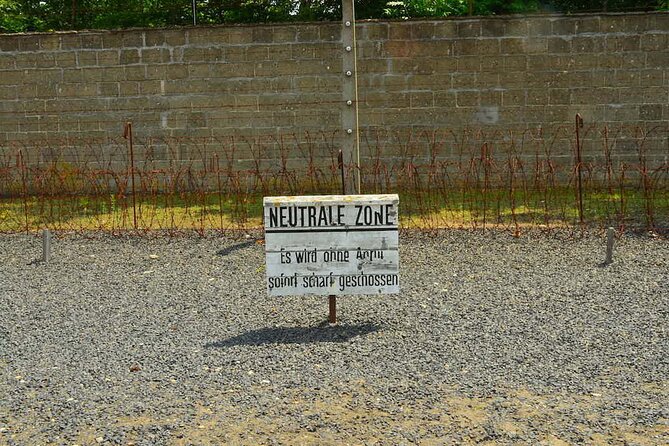
Sachsenhausen did not become irrelevant when Nazi Germany collapsed. After the war, the Soviet authorities reused the site as a special camp. From 1945 to 1950, about 12,500 more people died there.
This later chapter is one of the tour’s most valuable features. A visit focused only on the Nazi period would leave out an important part of the site’s history. The Soviet special camp was different in purpose and political setting, but the suffering of those imprisoned there remains part of Sachsenhausen’s story.
The guide explains the change in use and what life was like for prisoners during those years. For you, this means the memorial is not a single-period attraction. It requires careful attention to dates and context, since the same grounds were used by two different systems after the war.
What the guides add
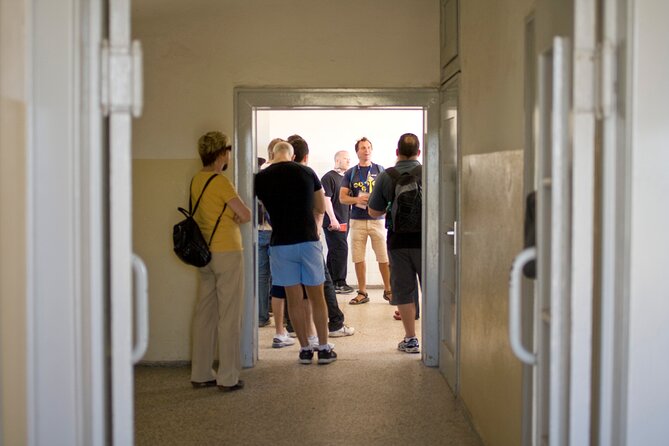
The guide is the main reason to choose this organized visit instead of going alone. A memorial this serious can be difficult to read on your own, especially when several periods of history overlap.
The guides have different styles. Ariel has been praised for answering questions and keeping a steady pace, even in cold weather. Hannah is known for combining historical detail with a personal family connection to the Nazi period. Rebecca has been singled out for her clarity, sensitivity, and willingness to offer Berlin restaurant and sightseeing suggestions on the ride home.
Other guides, including Campbell, Klaus, Jamie S., Georgia, Michal, Mikhail, and Joseph, have also led visits. You are not guaranteed a particular guide unless the booking specifically says so, but the repeated strength of the guiding is a real benefit of the tour.
A good guide also keeps the group moving. That can feel rushed when you want more time at a display, but it helps the visit cover the commandant’s house, Tower A, infirmary areas, camp grounds, and Soviet history within one morning or afternoon schedule.
Group size, walking, and weather
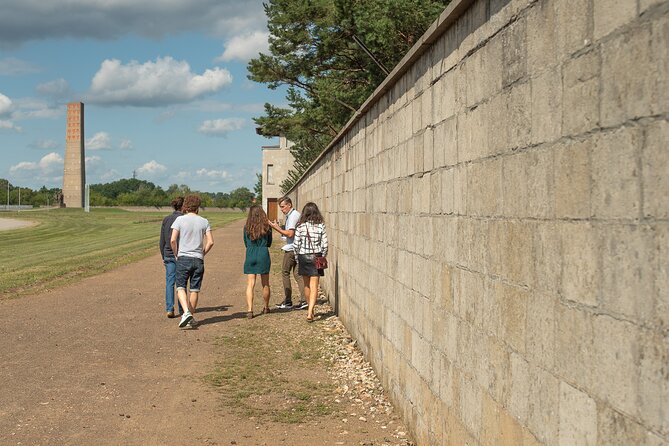
The tour is described as a small-group experience, with a maximum listed between 25 and 28 people. That is large enough for a proper group walk, but still more manageable than a huge coach party. Expect to stay close to the guide, particularly when moving between open areas.
You need moderate physical fitness. The memorial involves considerable walking, and the site is not recommended for people with limited mobility or walking impairments. The information provided does not promise special accessibility arrangements, so contact the operator before booking if you have mobility concerns.
Weather matters. The memorial is exposed, and winter conditions can make the visit especially stark. One guide was praised for keeping a good pace in snow and cold, but you should still wear warm layers, comfortable shoes, and weatherproof clothing. In warmer weather, sun protection and water make sense.
There is no restaurant stop included. Eat before you leave central Berlin or carry a snack. Keep it discreet and respectful, since this is a memorial site rather than a casual picnic stop.
Is $68.77 a fair price?
At $68.77 per person, this tour is priced above the cost of making your own way to Oranienburg by public transport. The difference pays for the air-conditioned coach, return transfer, licensed guide, memorial entry, group organization, and a €3 donation to the Sachsenhausen memorial.
I think the price is fair if you value convenience and interpretation. You do not need to work out the route, monitor connections, or arrive without context. You also have someone to explain the site and answer questions as you go.
The value is lower if you want several hours to study documents and personal accounts at your own pace. The express format gives you the main structure of Sachsenhausen, but an independent visit may suit you better if you prefer a slower museum-focused day.
The coach return is another small benefit. After a difficult visit, you can sit quietly on the way back rather than navigate transport immediately. Near Friedrichstraße, the guide can also answer questions about Berlin and suggest places to eat or visit.
Who should book this Sachsenhausen visit?
I would choose this tour if you have limited time in Berlin, want a guide for difficult historical material, or prefer direct transport. It suits people who want the major story of Sachsenhausen in one organized half-day.
It is also a good choice for families and small groups who want to learn together. Irish Paul has been praised for managing a group of 15 friends and relatives with care, and several guides have been described as approachable when answering questions.
I would think twice if you dislike set schedules or need long periods of quiet reading. The tour moves through the site at the group’s pace. It is also not a good fit if walking is difficult or if you expect a full museum day.
Cancellation is free up to 24 hours before the 10:00 am start time. Changes or cancellations within 24 hours are not accepted for a refund. Check the meeting point carefully and arrive early, since late arrival can mean missing the coach.
Should you book it?
Book this Sachsenhausen tour if you want a serious, well-organized introduction to the memorial and value a trained guide more than total freedom. The combination of central Berlin transport, site entry, a donation, and strong historical explanation makes the $68.77 cost reasonable for a half-day visit.
Do not book it expecting every inmate story, exhibition panel, and building to receive close attention. For that, plan a longer independent visit. But if your Berlin schedule is tight, this tour gives you the camp’s essential history, including the often overlooked Soviet period, with a guide to help you face the place with care.
FAQ
How long does the Sachsenhausen bus tour last?
The tour lasts approximately four hours, including the journey from central Berlin, the guided visit, and the return to the meeting point.
Where does the tour begin?
It begins at Reichstagufer 17, 10117 Berlin, near Friedrichstraße station.
What time should I arrive?
The tour starts at 10:00 am. You should arrive at least 15 minutes before departure.
Is transport to Sachsenhausen included?
Yes. An air-conditioned coach takes you from central Berlin to Oranienburg and returns you to the Friedrichstraße meeting point.
Is entry to Sachsenhausen included?
Yes. Admission to the Sachsenhausen Memorial is included, along with a €3 donation per person to the memorial.
Is the tour conducted in English?
Yes. This experience is offered in English.
How large is the group?
The tour information lists a maximum of 28 people, while the experience is also described as a group of no more than 25. You should plan for a small group of up to roughly 28 people.
Do I need to bring food or drinks?
Yes. Food and drinks are not included, so bring a snack and something to drink.
Is the tour suitable for people with limited mobility?
No. The tour requires moderate physical fitness and is not recommended for people with limited mobility or walking impairments.
Can I cancel for a full refund?
Yes, if you cancel at least 24 hours before the local start time. Cancellations or changes made less than 24 hours before departure are not accepted for a refund.
Just joined the route map around Berlin
- Berlin: Hop-On Hop-Off City Tour by Bus and Boat★ 4.4 · 488 reviews
- Potsdam: 5-Hour-Tour “Parks & Palaces” from Berlin by VW-Bus★ 5.0 · 17 reviews
- City Sightseeing Berlin: HOHO Bus – All Lines & Icebar★ 4.3 · 6 reviews
- Christmas market lights tour bus through Berlin, free mulled wine (2.5 hours)★ 4.8 · 6 reviews
- Berlin: Live-Guided Evening Sightseeing Tour by Open-top Bus★ 4.1 · 783 reviews
- Berlin & Sachsenhausen: 5-Hour Tour “Third Reich” by VW-Bus★ 5.0 · 27 reviews
- Berlin: Private Sightseeing Tour in Iconic Oldtimer VW Bus★ 4.9 · 184 reviews
- Berlin: Hop-On-Hop-Off Bus with Boat Cruise Option★ 3.8 · 818 reviews
Berlin Bus Tours, side by side.
Berlin: Hop-on Hop-off Bus Tour with Live Commentary
Read our review →
Berlin: Big Bus Hop-On Hop-Off Sightseeing Tour & Currywurst
Read our review →
Berlin: City Sightseeing Hop-On Hop-Off Bus Tour
Read our review →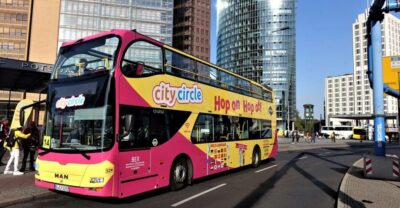
Berlin: East and West Hop-On Hop-Off Bus Tour
Read our review →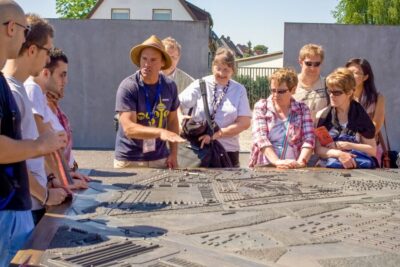
Berlin: English Bus Tour to Sachsenhausen Concentration Camp
Read our review →
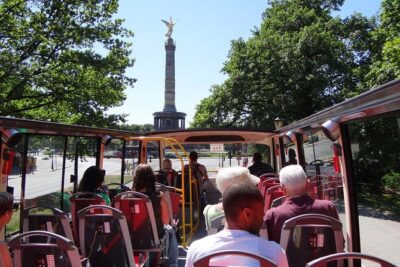
Berlin City Hop-on Hop-off Tour with Optional Cruise
Read our review →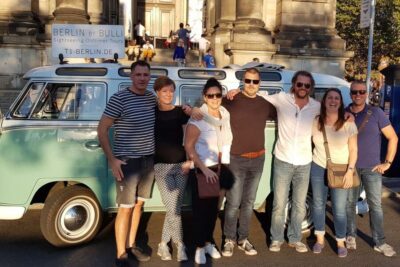
Berlin: Sightseeing Tour in Classic Volkswagen T1 Samba Bus
Read our review →Other lists with this bus tour