
Review · POKHARA
Pokhara Sightseeing By Bus: Day Trip
Pokhara’s best-value city tour packs caves, temples, waterfalls, a river gorge, mountain viewpoints, and Fewa Lake into one seven-hour bus ride. For $19, you get hotel pickup in Lakeside and a simple way to reach sights scattered across the valley without arranging separate taxis.
I like the low price and the chance to share a bus with people from Nepal, India, and other countries. I also like the festive local feel, especially when religious holidays bring extra activity and, sometimes, free entry to certain places. The main drawback is important: you may not receive a proper English-speaking guide, so you could see the sights with little explanation.
Key points to know before booking
- Eight major stops: The route includes Pumdikot, Bindyabashini Temple, Mahendra Cave, Seti Gorge, Peace Stupa, Devi’s Fall, Gupteshwor Mahadev Cave, and Fewa Lake.
- Lakeside pickup: Meet the bus at your hotel area in Lakeside at about 9:40 AM.
- Shared local bus: This is a budget group ride, not a private sightseeing vehicle.
- Guide expectations: An English-speaking host or local assistant is listed, but detailed commentary is not assured.
- Extra entry costs: Budget roughly $10 per person for monument and entrance fees, plus your own meals.
- Seven hours on the road: Wear comfortable clothes and expect a full, active day with repeated stops.
Why this $19 Pokhara tour makes sense
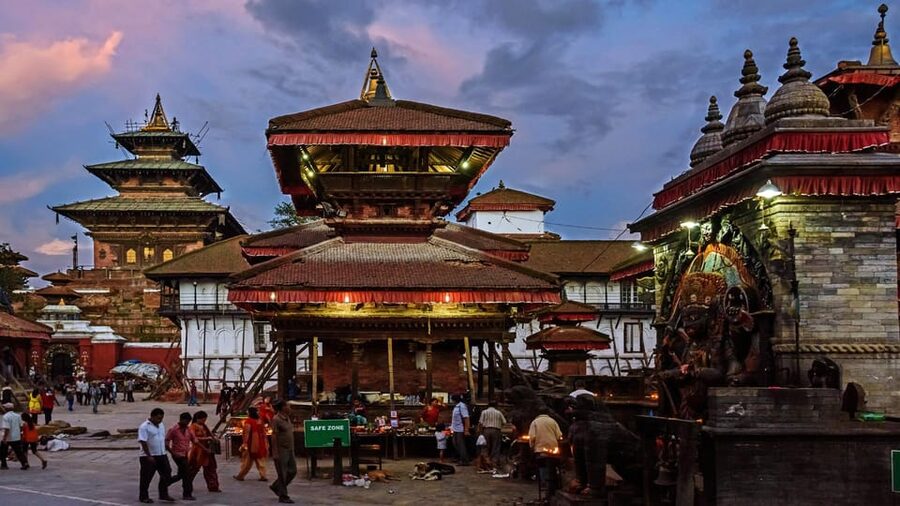
Pokhara is easy to enjoy from Lakeside, but its main sights are spread across the valley. Pumdikot lies in one direction, Mahendra Cave in another, and the Peace Stupa and Devi’s Fall require more planning than a casual walk from the lake.
That is where this bus tour earns its keep. For $19, you get transport between several well-known places, hotel pickup in Lakeside, and a basic group setup. You avoid negotiating with taxi drivers at every stop and do not need to build your own route.
The value is strongest if you want to see a lot in one day and care more about getting around than private comfort. It is less appealing if you want a quiet vehicle, a flexible schedule, or a guide who explains every temple carving and geological feature.
The trip is described as a seven-hour sightseeing day. That is long enough to cover plenty of ground, but short enough to fit into a wider Pokhara visit. You will need to keep moving, since eight listed attractions leave limited time for slow wandering at each one.
More Sightseeing Bus Tours in Nepal:
- Pokhara: City Sightseeing Group Bus Tour
★ 4.1 · 37 reviews - Kathmandu City Sightseeing Bus tour (5 Sights)
★ 4.2 · 15 reviews - Pokhara: Sightseeing tour (Unguided) in Sharing Bus
★ 4.5 · 10 reviews
Starting in Lakeside at about 9:40 AM
Pickup is provided from the Lakeside area, with the stated meeting time around 9:40 AM. Keep your morning free and be ready at your hotel rather than expecting a late start.
The practical advantage is simple: you do not have to find a distant bus station. The local assistant can help with basic questions during the ride, though the information available at each stop may vary.
This is a shared bus experience. You may be seated with people from several countries, as well as local passengers. That can make the ride more social and more distinctly local than a private car, but it also means you give up control over the pace.
Bring a camera, comfortable clothes, and a little patience. You will be getting on and off the bus repeatedly, walking through religious sites and caves, and spending much of the day moving between different parts of Pokhara Valley.
Pumdikot Mahadev View Point and Bindyabashini Temple
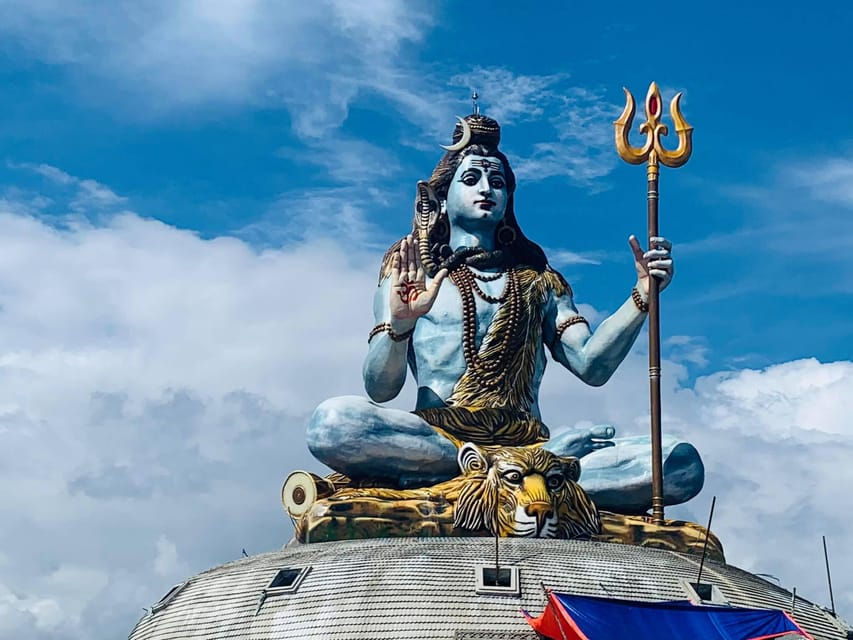
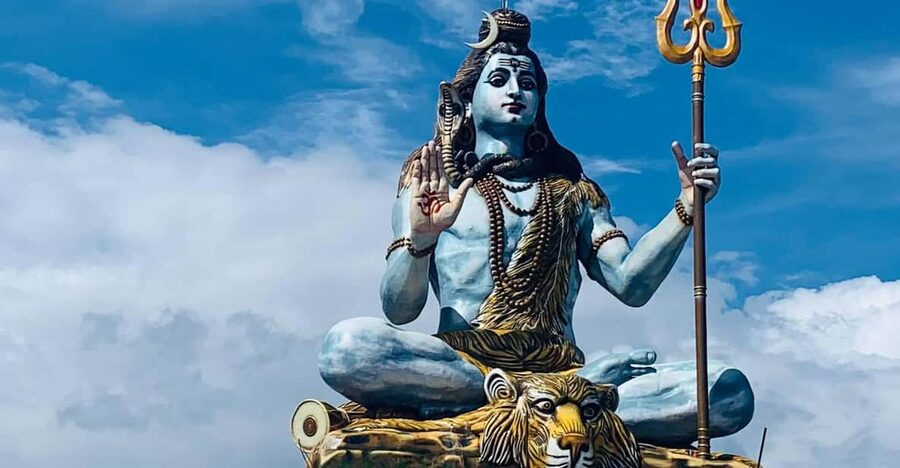
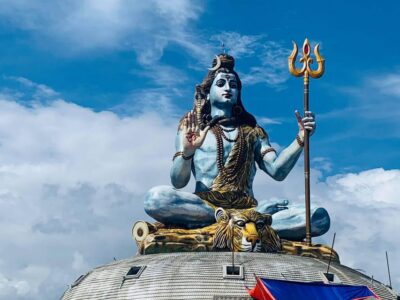
Pumdikot Mahadev View Point gives the day an early scenic stop. The name refers to the large Shiva statue and viewpoint area, making this a place for broad views and photographs rather than a quick street-side stop.
The appeal is the setting. You get a higher view over the Pokhara area and a chance to begin the tour with open space before moving into caves and built-up religious sites. Bring your camera, but keep expectations sensible: the exact visibility and quality of the view depend on the day.
Bindyabashini Temple brings a different side of Pokhara into the route. This is an important Hindu religious site, so dress comfortably but respectfully. The tour information does not give a fixed amount of free time or a detailed explanation of temple customs, so your visit may be more about seeing the site and atmosphere than receiving a formal lesson.
A local holiday can change the feel of this stop. The city tour has sometimes coincided with a Hindu festival, making the visit more festive and allowing free entry at some places. That kind of timing is luck, not something you should count on when booking, but it can add a memorable local touch.
Mahendra Cave, with Seti River Gorge next
Mahendra Cave is one of the day’s most distinctive stops. A cave visit breaks up the temple and viewpoint sections, and you can expect darker, more enclosed surroundings than at the other attractions.
Wear footwear and clothing that let you move comfortably. The information provided does not specify the cave’s walking conditions or the amount of time inside, so do not plan on a long independent exploration. Treat it as a scheduled sightseeing stop within a larger route.
The Seti River Gorge offers a sharp contrast. Instead of going underground, you look into a narrow gorge shaped by the Seti River. The river is known for its pale water, and the gorge gives you a quick look at the natural forces working through the valley.
These stops are useful because they show two different features of Pokhara in a short span: rock beneath your feet and a river cutting through the city. The drawback is that a shared bus schedule may leave you wanting more time at either place.
More Bus Day Trips in Nepal:
- Pokhara Sightseeing By Bus – Day Trip
★ 3.2 · 8 reviews - Kathmandu Sightseeing By Bus Day Trip
★ 4.7 · 5 reviews - Mt Fuji and Hakone 1-Day Bus Tour Return by Bullet Train
★ 5.0 · 26,383 reviews - 1-Day Tokyo Bus Tour
★ 5.0 · 14,250 reviews
Peace Stupa and the appeal of a high viewpoint
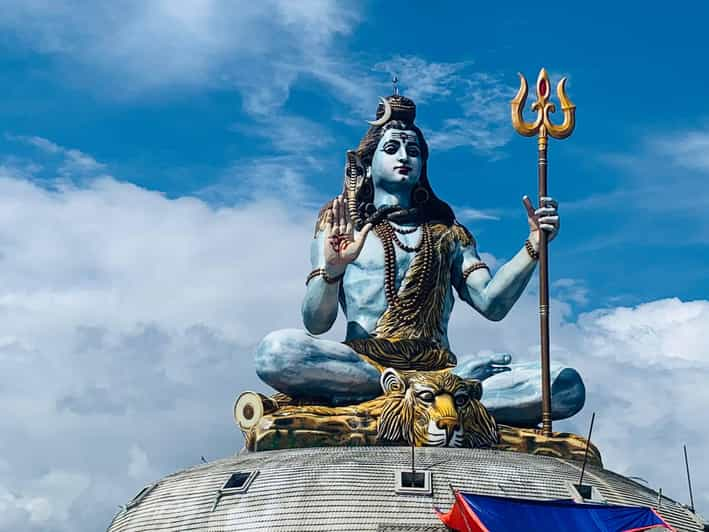
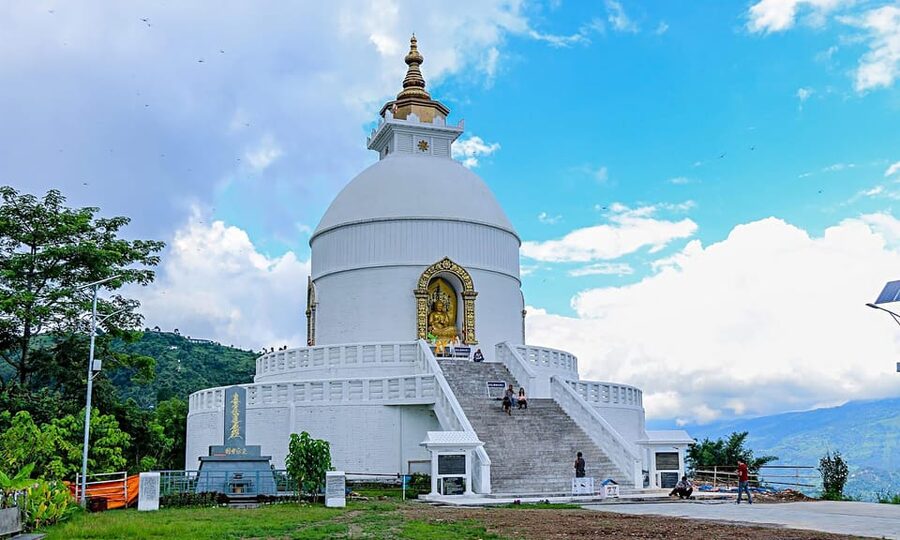
The Peace Stupa is one of the day’s major scenic stops. Its hilltop position gives you another wide view across the Pokhara area, with Fewa Lake and surrounding hills often forming the visual focus.
The stupa is also a place where the tour shifts from city sightseeing to a quieter spiritual setting. You can take photographs, look around the monument, and enjoy the change of pace after the bus ride.
Access and walking conditions are not described in detail, so you should be prepared for some movement on foot. This tour is not suitable for wheelchair users, and the repeated stops may be tiring for anyone with mobility concerns.
I would pay attention to the weather here. A clear day can make the Peace Stupa one of the most rewarding stops. On a cloudy day, the visit still has value as a cultural site, but the long views may be less impressive.
Devi’s Fall and Gupteshwor Mahadev Cave
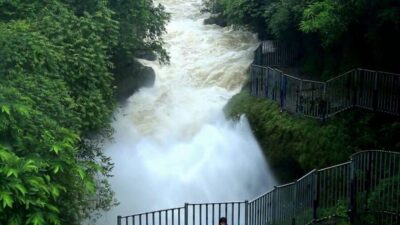
Devi’s Fall is one of Pokhara’s best-known natural attractions. Water drops into a rocky channel, and the site is at its most striking when the flow is strong. Your experience will depend on the season and recent rain, since waterfalls change with the weather.
This is a good place to keep your camera ready, but watch your footing and stay within the visitor areas. The itinerary does not state how long the bus remains there, so expect a sightseeing visit rather than a long walk beside the water.
Gupteshwor Mahadev Cave is close to Devi’s Fall, making the pairing practical. You see the water from above, then move into a cave connected with Hindu worship. The cave is not simply a natural attraction, so approach it as both a geological site and a religious place.
The cave can feel like a fitting continuation of Mahendra Cave, but the two should not be treated as identical. Mahendra Cave gives you one underground setting, while Gupteshwor Mahadev Cave adds a religious dimension and links naturally with the nearby waterfall stop.
Entry fees apply at some monuments and attractions. The estimated total of about $10 per person is not included in the $19 tour price, so keep cash or another accepted payment method available. The exact fees can vary by site and circumstance.
Fewa Lake closes the sightseeing loop
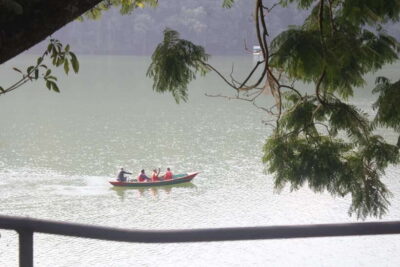
Fewa Lake is the most familiar Pokhara sight and a natural final stop. Lakeside is built around the lake, but seeing it as part of a full valley circuit gives you a useful sense of how the city’s scenic center connects with its outlying attractions.
You may have time for a simple look at the water and surrounding hills, though the schedule does not promise a boat ride or extended lakeside leisure. Do not book this tour expecting a separate boating activity. Fewa Lake is included as a sightseeing stop only.
For many people, this is a pleasant way to end the route. After caves, temples, a gorge, and waterfalls, the open water offers a calmer final view. If you want more time by the lake, plan to return independently another day or stay in Lakeside after the bus portion ends, if the schedule allows.
The guide question matters
The biggest point to clarify before paying is the difference between a local assistant and a full sightseeing guide. The tour includes a normal guide in one section, while another section says a guide is not included. The practical experience can therefore lean more toward transport and organized stops than guided interpretation.
An English-speaking host or greeter is listed, and a local assistant accompanies the bus. You can ask questions, but you should not assume that every stop will come with a detailed explanation in English.
This matters most at Bindyabashini Temple, Peace Stupa, and Gupteshwor Mahadev Cave. Without context, you may see the architecture and religious activity but miss why each place matters.
I suggest reading a little about the stops before you go, or saving short notes on your phone. That small bit of preparation can turn a basic bus circuit into a more meaningful day. If your main goal is to learn from a guide, a private tour with confirmed commentary may suit you better.
The local nature of the bus is not all bad. You may share the ride with people who know the area, and a friendly local couple or fellow passenger may help you understand where to go. That human contact can be part of the experience, but it should not replace a promised guide.
Food, entry fees, and what the $19 covers
The $19 price covers Lakeside hotel pickup, shared sightseeing by bus, the group tour, and basic hosting or assistance. Meals are not included, so plan to buy food during the day if there is a suitable stop.
The schedule does not identify a specific restaurant or lunch break. Bring some money for food and drinks, but do not assume a meal is arranged. You may prefer a small breakfast before pickup, especially since the tour starts in the morning and continues for roughly seven hours.
Entrance and monument fees are also separate. The stated estimate is about $10 per person, which can push the real cost to roughly $29 before food. That is still a reasonable price for a full day of transport between eight sights, but the extra cost should be part of your calculation.
The tour offers free cancellation up to 24 hours before departure, and you can reserve now and pay later. Those terms are useful if your Pokhara plans may change, but they do not alter the main question: are you happy with a basic shared ride and uncertain guiding?
Who will enjoy this bus day most
I would choose this tour if you want to cover Pokhara’s major sights on a tight budget. It works especially well for a solo visitor who would otherwise pay for a private car, and for anyone who prefers a ready-made route to arranging several short rides.
It also suits people who like meeting others and do not mind a local bus atmosphere. The group may include Nepali passengers and visitors from different countries, giving the day a more social feel than a private transfer.
You should think twice if you need wheelchair access, since the tour is not suitable for wheelchair users. I would also look elsewhere if you dislike fixed schedules, need long stops for photography, or want detailed explanations at every attraction.
Families and older visitors should consider the repeated boarding, walking, cave visits, and possible religious-site terrain. The tour information does not provide detailed access conditions for each stop, so anyone with limited mobility should ask before booking.
Small tips for a smoother day
- Keep your phone charged. You will likely want photographs at the viewpoint, gorge, waterfall, stupa, and lake.
- Wear comfortable clothes and practical shoes. The route includes caves, viewpoints, religious sites, and repeated stops.
- Carry money for the estimated $10 in entry fees and for meals, since neither is included.
- Dress respectfully at Bindyabashini Temple and Gupteshwor Mahadev Cave.
- Do not bring a drone. Alcohol and drugs are not allowed.
- Ask early about the day’s plan and the level of English commentary.
- Treat the timetable as a group schedule. A shared bus is cheaper, but you will not control every departure.
Should you book this Pokhara day tour?
Book it if value and coverage matter more to you than comfort and detailed guiding. It is a practical way to reach eight well-known Pokhara sights for a low starting price, with Lakeside pickup and the chance to share the day with local people and international visitors.
Skip it if you want a polished private tour, guaranteed English explanations, or flexible time at each stop. The honest expectation is a budget bus circuit with a local assistant, not a fully narrated cultural tour.
For the right person, this is a useful first look at Pokhara Valley. Add about $10 for entry fees, budget for food, prepare to guide yourself at times, and you will know exactly what kind of day you are buying.
FAQ
Where does the Pokhara sightseeing bus tour begin?
Pickup is provided from hotels in the Lakeside area of Pokhara. The stated meeting time is about 9:40 AM.
How long does the tour last?
The sightseeing tour lasts approximately seven hours.
Which places are included in the route?
The route includes Pumdikot Mahadev View Point, Bindyabashini Temple, Mahendra Cave, Seti River Gorge, Peace Stupa, Devi’s Fall, Gupteshwor Mahadev Cave, and Fewa Lake.
Is a guide included?
A local assistant accompanies the shared bus, and an English-speaking host or greeter is listed. Detailed guide service is not guaranteed, and the tour information also states that a guide is not included.
Are meals and entrance fees included?
No. Meals are available for purchase, and monument or entrance fees are separate. The estimated entrance cost is about $10 per person.
Can I cancel or pay later?
You can cancel up to 24 hours in advance for a full refund. The reserve-now, pay-later option lets you book without paying immediately.
More day trips by coach around Nepal
- PERFECT KYOTO 1-Day Bus Tour
★ 5.0 · 13,518 reviews - Peaceful Hiroshima & Miyajima UNESCO 1 Day Bus Tour
★ 5.0 · 5,309 reviews - From Madrid: Guided Day Trip to Toledo by Bus
★ 4.1 · 5,280 reviews - Zurich: Day Trip to Grindelwald, Interlaken & Lauterbrunnen
★ 4.5 · 4,699 reviews
Just joined the route map around Nepal
- Pokhara: City Sightseeing Group Budget Bus Tour★ 4.7 · 6 reviews
- Pokhara Sightseeing By Bus – Day Trip★ 3.2 · 8 reviews
- Kathmandu : City Highlights Bus Tour Full Day★ 5.0 · 2 reviews
- Kathmandu City Sightseeing Bus tour (5 Sights)★ 4.2 · 15 reviews
- Pokhara Day Bus Sightseeing 8 points★ 3.5 · 9 reviews
- Pokhara: City Sightseeing Group Bus Tour★ 4.1 · 37 reviews
- Pokhara: Full-Day Sharing Bus Tour on 7 Iconic Destination★ 4.1 · 179 reviews
- Pokhara: Visit Best Seven Tourist Destination by Sharing Bus★ 3.4 · 10 reviews
Pokhara Bus Tours, side by side.
Pokhara: Full-Day Sharing Bus Tour on 7 Iconic Destination
Read our review →
Pokhara: Visit Best Seven Tourist Destination by Sharing Bus
Read our review →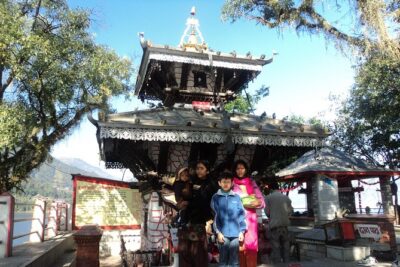
Pokhara: Sightseeing tour (Unguided) in Sharing Bus
Read our review →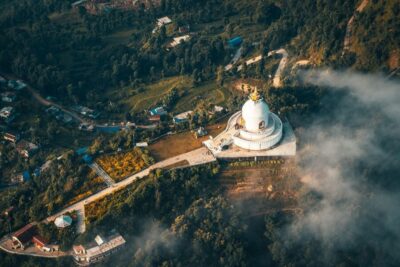
Other lists with this bus tour