
Review · NEPAL
Kathmandu City Sightseeing Bus tour (5 Sights)
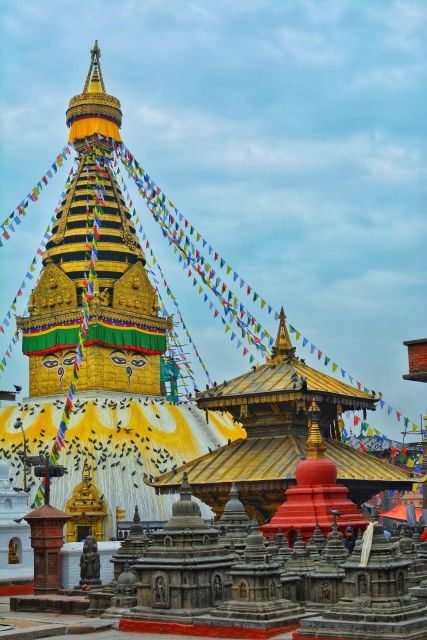
Kathmandu’s great religious sights are spread across a busy valley, and this shared bus tour gives you a practical way to reach five of them in one day. You’ll see cremation ghats and temple courtyards at Pashupatinath, prayer wheels at Boudhanath, hilltop views from Swayambhunath, and the remarkable reclining Vishnu at Budhanilkantha.
I like the low $16 price, which includes pickup, drop-off, fuel, taxes, and service charges. I also like the range of places covered: Hindu temples, Buddhist stupas, and one of the valley’s most striking statues all appear on one route. The main caution is that this is a shared budget bus, not a fully guided sightseeing tour. The operator manages the day and gives basic information, but detailed English commentary is not guaranteed.
Key points to know before booking
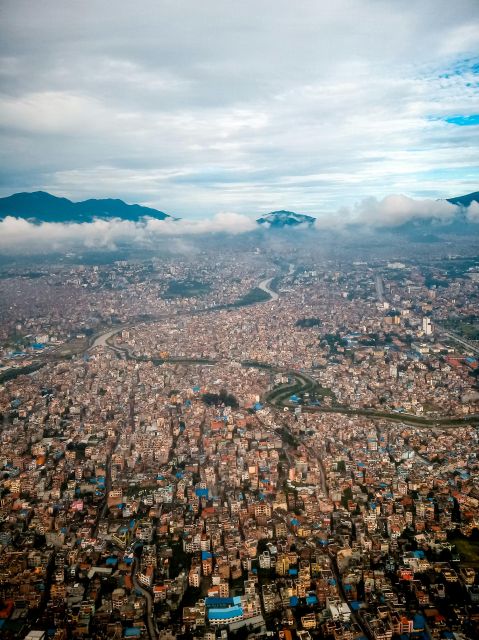
- Five major religious sites in one day: Pashupatinath, Guheswori, Boudhanath, Swayambhunath, and Budhanilkantha.
- A $16 shared bus tour: Pickup and drop-off are included, while entrance fees, food, and personal costs are extra.
- Meet opposite Hotel Malla: Arrive by 10:45 am for the scheduled 11:00 am departure.
- Basic rather than expert commentary: The tour operator is there to manage the group, not to provide a full historical tour.
- Allow for Kathmandu traffic: The bus may arrive late, but you should still report on time.
- Best for mobile visitors on a budget: The day includes walking, steps, and several religious sites with active rituals.
Why this five-stop route works
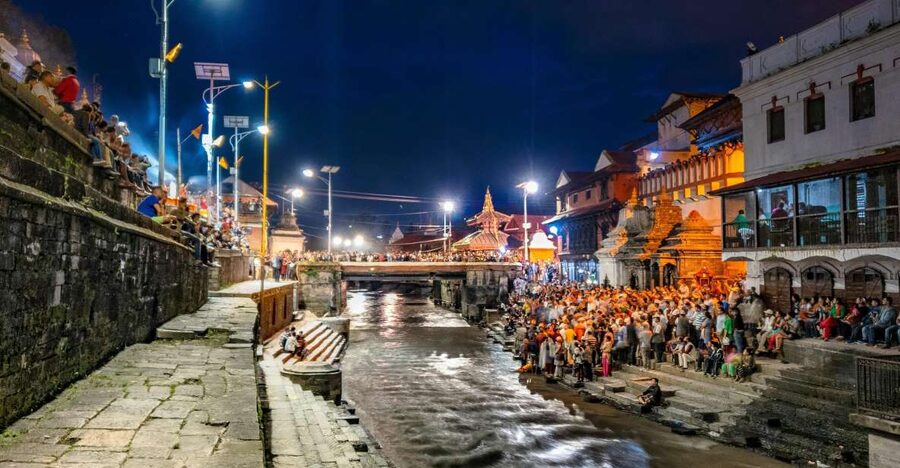
Kathmandu can feel confusing at first. Roads are crowded, distances look short on a map, and a visit to one major sight can easily consume half a day. This tour takes care of the basic transport problem and connects five important places without requiring you to negotiate several taxi rides.
The route also gives you a useful look at Nepal’s shared religious life. Pashupatinath and Guheswori are Hindu sites, while Boudhanath and Swayambhunath show the strong Buddhist traditions of the valley. Budhanilkantha adds a different kind of stop, with its large stone image of Vishnu resting in a pond.
You should think of this as a transport-and-orientation day with sightseeing, rather than a traditional guided tour. The operator will keep the day moving, tell you where to go, and provide basic information. You should not expect long explanations about architecture, mythology, or local customs at every stop.
That distinction matters. If your main goal is to see the major places for as little money as possible, the format makes sense. If you want detailed interpretation in English, a private guide would be a better fit.
More Hop-On Hop-Off Bus Tours in Nepal:
- Pokhara: City Sightseeing Group Bus Tour
★ 4.1 · 37 reviews - Pokhara: City Sightseeing Group Budget Bus Tour
★ 4.7 · 6 reviews - Barcelona: 24 or 48-Hour Hop-On Hop-Off Bus Tour
★ 4.4 · 20,872 reviews
Starting opposite Hotel Malla in Thamel
The meeting point is on the road opposite the main entrance of Hotel Malla in Thamel. You are expected to arrive around 10:45 am, 15 minutes before the planned departure at 11:00 am.
Look for the designated pickup area and a representative who can direct passengers to the bus. The location is tied to a clear landmark, but it has not always felt obvious to everyone, so give yourself extra time. This is especially useful if you are unfamiliar with Thamel’s busy streets.
Kathmandu traffic can affect the bus arrival and departure. The scheduled time is around 11:00 am, but the vehicle may reach the meeting point late. The practical rule is simple: arrive on time even if the bus may not. Waiting for the vehicle is safer than arriving late and finding the group gone.
The tour lasts one day, though an exact return time is not provided. Bring water, comfortable clothes, and shoes suitable for walking around temple grounds and climbing steps.
Pashupatinath Temple and the Bagmati River
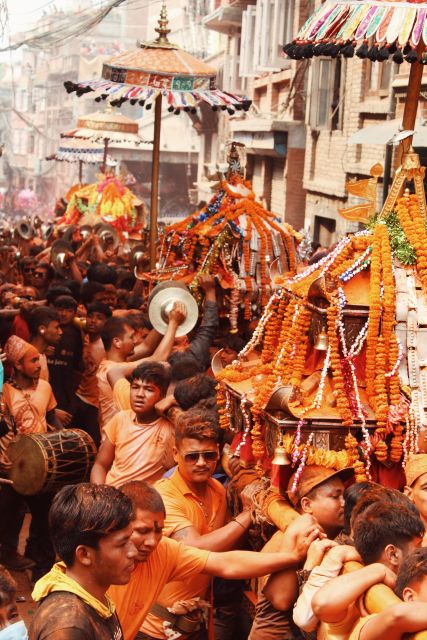
Pashupatinath is the emotional center of the route. This large Hindu temple complex sits beside the Bagmati River and remains an active place of worship, not simply an old monument for sightseeing.
You can expect a strong sense of ritual here. Shrines, temple details, riverside activity, and religious ceremonies all form part of the visit. The schedule also refers to the Aarti ceremony, a Hindu worship ritual involving lamps and offerings. The exact timing and amount of time at the site may depend on the day’s traffic and group arrangements.
Pashupatinath can be a serious and sometimes confronting place. The Bagmati riverbank is associated with cremation rituals, and you may see religious activity that feels very different from a museum visit. Treat the area with respect, keep noise low, and follow instructions about where photography is appropriate.
This is one place where detailed context would add real value. The operator can provide basic information, but you may need to ask direct questions if you want to understand what you are seeing. The site rewards patience more than a quick checklist approach.
Guheswori Temple beside Pashupatinath
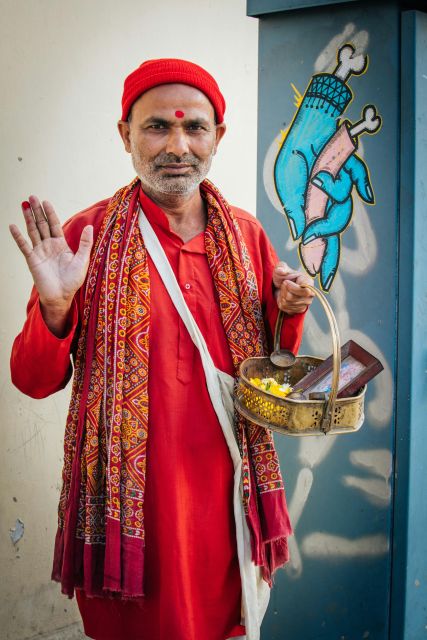
Guheswori is close to Pashupatinath, making it an efficient second stop. The temple is dedicated to the goddess Guheswori and is valued for its religious importance, quiet setting, and traditional rituals.
You will notice that this visit is less about a single grand structure and more about the atmosphere of an active shrine. The temple provides a useful contrast with Pashupatinath. Instead of moving through one very large complex, you get a shorter look at another part of Kathmandu’s Hindu practice.
The tour description presents Guheswori as a place where you can observe age-old rituals and see traditional architectural details. As with Pashupatinath, appropriate clothing and respectful behavior matter. Wear comfortable clothes that are not too revealing, and be prepared for rules about access to inner areas.
Because Guheswori is adjacent to Pashupatinath, this stop should not require a major extra journey. It is a good example of why the route is useful: you see two religious sites in the same part of the city before continuing to the Buddhist quarter around Boudhanath.
More Sightseeing Bus Tours in Nepal:
- Pokhara: Sightseeing tour (Unguided) in Sharing Bus
★ 4.5 · 10 reviews - Pokhara Day Bus Sightseeing 8 points
★ 3.5 · 9 reviews - “Explore Kathmandu Rich Heritage: City Highlights Bus Tour”
★ 3.8 · 9 reviews - Pokhara Sightseeing By Bus – Day Trip
★ 3.2 · 8 reviews
Boudhanath Stupa and the Tibetan Buddhist quarter
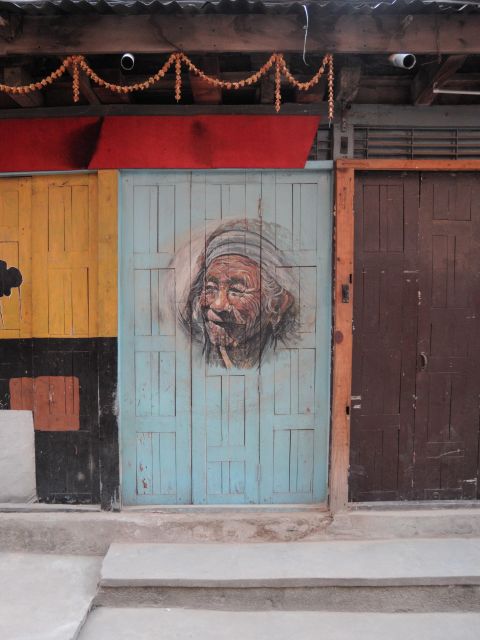
Boudhanath is likely to be one of the day’s most memorable stops. The huge white stupa, topped with the Buddha’s watchful eyes, is surrounded by monasteries, shops, prayer flags, and places connected with Tibetan Buddhist practice.
The usual way to experience the site is to walk around the stupa in a clockwise direction. You can turn prayer wheels, observe pilgrims, and take in the sound and movement around the circular courtyard. The design itself is important: the stupa is a large mandala, a symbolic form used in Buddhist practice.
This stop offers more room to look around than a short temple visit. You can focus on the painted details, the prayer wheels, the flags, and the many small religious spaces around the main structure. Incense and ritual activity add to the sense that Boudhanath is still used every day.
The tradeoff is that the area can feel busy and commercial around the edges. That is part of the experience, but it may not suit you if you want silence. Stay aware of the group’s meeting time, since it is easy to become absorbed in the shops or in the slow circuit around the stupa.
Swayambhunath, the hilltop Monkey Temple
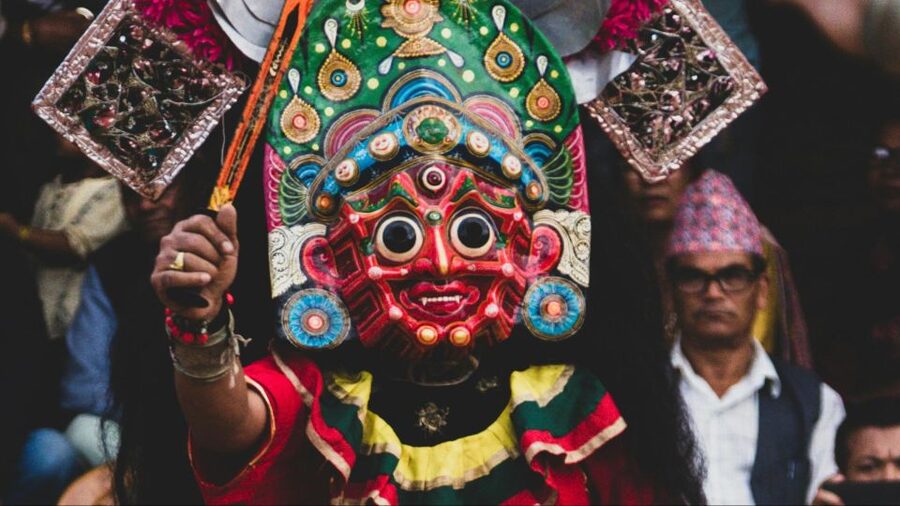
Swayambhunath sits on a hill above Kathmandu and is known informally as the Monkey Temple. The approach includes ancient steps, so this is one of the stops where comfortable shoes and reasonable mobility are important.
At the top, you will find a mixture of Hindu and Buddhist symbols, prayer wheels, flags, shrines, and the familiar Buddha eyes. The hilltop position also gives views across the Kathmandu Valley, although the clarity of those views depends on conditions on the day.
Swayambhunath is valuable because it shows how Hindu and Buddhist traditions exist side by side in Nepal. You can take part in simple rituals, turn prayer wheels, and watch people move through the site for worship rather than sightseeing alone.
The climb is the main consideration. The tour is specifically listed as unsuitable for people with mobility impairments, and that warning should be taken seriously. If you have difficulty with steps, ask the operator in advance about the visit. The tour also lists motion sickness as a concern, which may matter during the bus rides and on Kathmandu’s crowded roads.
Budhanilkantha and the reclining Vishnu statue
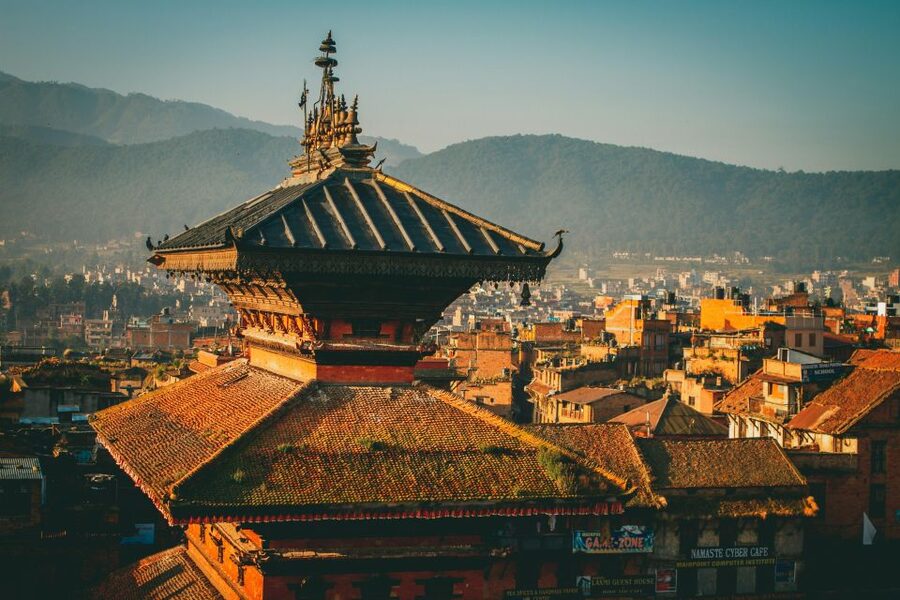
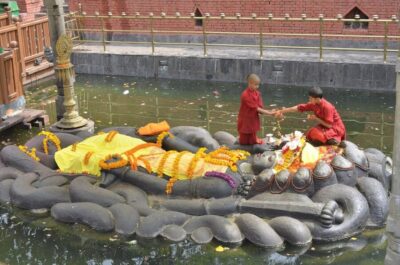
The final stop is Budhanilkantha, a sacred site known for its large reclining statue of Vishnu. The statue was carved from a single stone and rests in a pond, creating a calm visual contrast with the city’s busy roads and crowded religious centers.
This is a different kind of attraction from Boudhanath or Swayambhunath. There is no hilltop climb or large stupa to walk around. Instead, the focus is on the craftsmanship of the image, the water surrounding it, and the religious meaning of Vishnu resting in the pond.
Budhanilkantha makes a fitting final stop because it slows the pace after several active temple visits. You can spend time looking closely at the statue and its setting before the return journey.
The supplied information does not give a precise visit length at any stop. Keep that in mind when planning your day. The operator controls the shared schedule, and the amount of time available may be shaped by road conditions, the size of the group, and delays earlier in the route.
What the $16 price really covers
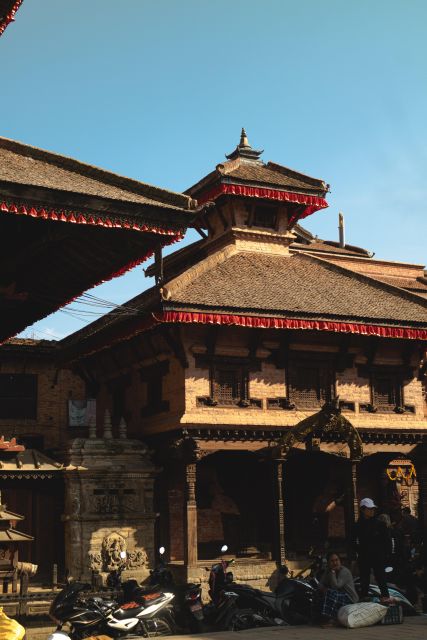
At $16 per person, this is an inexpensive way to cover a lot of ground in Kathmandu. Pickup and drop-off are included, along with fuel, taxes, and service charges. That removes the cost and trouble of arranging separate transport to five sites.
You still need to budget for entrance fees, food, and personal expenses. No entrance prices are provided, so check the current charges before setting out. The total cost will therefore be higher than $16, but the basic transport remains good value if you want to visit all five places.
The price also explains the limited guiding. A tour operator manages the group, but this person is not described as a professional tour guide. You receive basic information rather than a full lesson at each site.
One English-speaking passenger reported that the bus had around 20 Nepalese and Indian passengers and only three English-speaking passengers. The operator mainly addressed the larger local-language group, and the English information was limited to short answers when requested. This may not happen on every departure, but it is an important practical warning.
You can improve the experience by asking clear questions at each stop and confirming the meeting time before walking away from the group. If interpretation is central to your visit, spend more on a private guide or a smaller English-language tour.
Group atmosphere, comfort, and timing
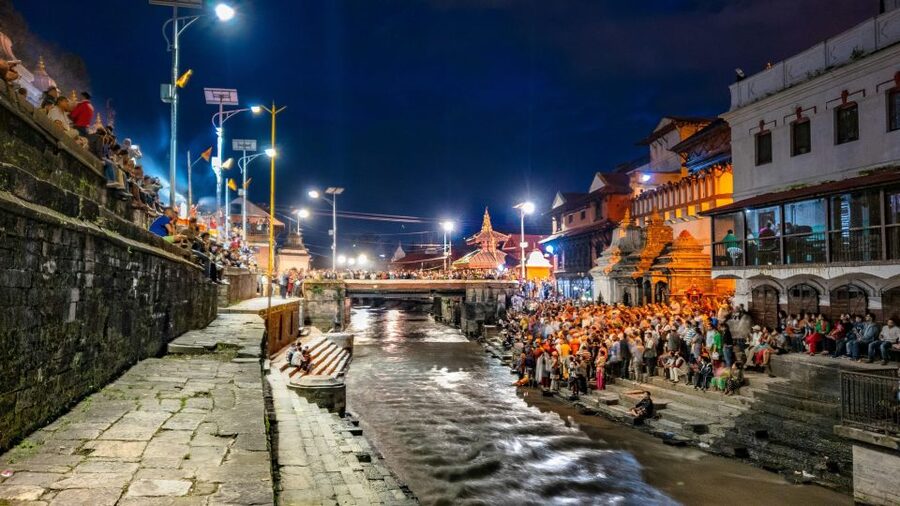
The bus is described as a comfortable, well-equipped shared vehicle, but this is still a budget group tour. You will not have the freedom to set your own pace at every temple. The operator’s job is to coordinate the day and keep people moving between sites.
The group may include a mix of local and international passengers. That can be a pleasant way to see how people from different backgrounds approach Kathmandu’s religious places, but communication may not be equal for everyone.
The schedule begins around 11:00 am rather than early morning. That makes the start easier for some people, but it also means traffic may become a serious factor. A delayed departure of about 30 minutes has occurred, so do not book a tightly timed evening activity immediately afterward.
The tour rules prohibit smoking, alcohol, drugs, drinks in the vehicle, loud noise, and intoxication. These restrictions are normal for a shared ride and help keep the bus comfortable for everyone.
Who should book this Kathmandu tour?
I would recommend this tour to you if you want to see the main religious sights on a limited budget and prefer having transport arranged. It is also useful for a first day in Kathmandu, when you want a broad introduction before deciding which places deserve a longer return visit.
It suits independent people who can enjoy a site without needing constant explanation. You should be comfortable with a shared schedule, possible traffic delays, temple etiquette, and some walking or steps.
I would be cautious if you have limited mobility, motion sickness, or difficulty with crowded transport. The activity is not considered suitable for people with mobility impairments, people over 110 kilograms, people over 95 years old, or people prone to motion sickness.
Bring comfortable shoes, a camera, comfortable clothing, and any personal medication you need. Keep valuables secure and carry enough money for food and entrance fees.
Final verdict: good value, limited guiding
Book this tour if your priority is coverage and low cost. For $16, you get transport to five important religious sites, pickup and drop-off, and a simple way to see much of Kathmandu in one day. The strongest parts are the range of stops and the chance to see both Hindu and Buddhist traditions in one outing.
Skip it if you expect a polished English-speaking guide with detailed explanations at every monument. The operator may be friendly and helpful, but the service is mainly logistical. Arrive early opposite Hotel Malla, expect traffic, ask questions, and treat the day as a practical introduction rather than a specialist history tour.
FAQ
Where does the Kathmandu sightseeing bus tour meet?
The meeting point is on the road opposite the main entrance gate of Hotel Malla in Thamel, Kathmandu.
What time should I arrive?
You should arrive around 10:45 am, 15 minutes before the planned departure at about 11:00 am.
Can the bus leave late?
Yes. Traffic may delay the bus, but you should still report at the meeting point at the required time.
Which places does the tour visit?
The route visits Pashupatinath Temple, Guheswori Temple, Boudhanath Stupa, Swayambhunath Stupa, and Budhanilkantha.
Are pickup and drop-off included?
Yes. Pickup and drop-off are included in the tour price.
Are entrance fees included?
No. Entrance fees are not included, so you must pay them separately.
Is food included?
No. Food is not included in the price.
Is a professional tour guide included?
No. A tour operator manages the tour and can provide basic information, but a detailed tour guide is not included.
What should I bring?
Bring comfortable shoes, a camera, comfortable clothes, and any personal medication.
Can I cancel for a full refund?
Yes. You can cancel up to 24 hours in advance for a full refund. You can also reserve now and pay later, according to the booking terms.
Just joined the route map around Nepal
- Pokhara: City Sightseeing Group Budget Bus Tour★ 4.7 · 6 reviews
- Pokhara Sightseeing By Bus: Day Trip★ 4.6 · 7 reviews
- Pokhara Sightseeing By Bus – Day Trip★ 3.2 · 8 reviews
- Kathmandu : City Highlights Bus Tour Full Day★ 5.0 · 2 reviews
- Pokhara Day Bus Sightseeing 8 points★ 3.5 · 9 reviews
- Pokhara: City Sightseeing Group Bus Tour★ 4.1 · 37 reviews
- Pokhara: Full-Day Sharing Bus Tour on 7 Iconic Destination★ 4.1 · 179 reviews
- Pokhara: Visit Best Seven Tourist Destination by Sharing Bus★ 3.4 · 10 reviews
Nepal Bus Tours, side by side.
Pokhara: Full-Day Sharing Bus Tour on 7 Iconic Destination
Read our review →
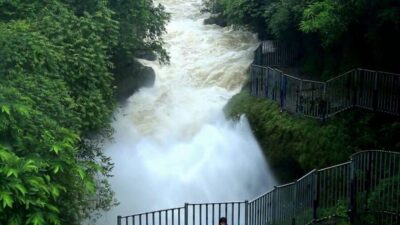
Pokhara: Visit Best Seven Tourist Destination by Sharing Bus
Read our review →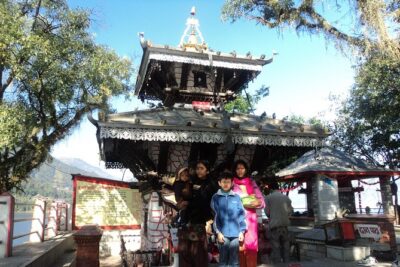
Pokhara: Sightseeing tour (Unguided) in Sharing Bus
Read our review →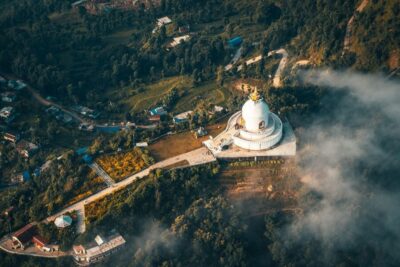
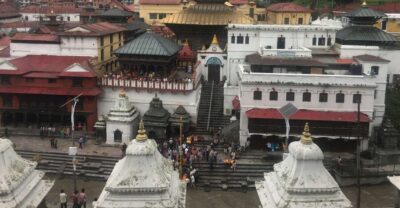
“Explore Kathmandu Rich Heritage: City Highlights Bus Tour”
Read our review →
Other lists with this bus tour