
Review · TOKYO
Tokyo: Meiji Shrine, Asakusa, Skytree Bus Tour and Cruise
Tokyo can feel impossible to grasp in one day, but this coach tour gives you a useful first look at both old and new Tokyo. You move from the forested grounds of Meiji Shrine to the lanterns of Asakusa, then rise above the city at Tokyo Skytree before finishing near Odaiba.
I like the practical mix of guided sightseeing and free time. You get help with shrine customs and Japanese culture, but you also have time to browse Nakamise Avenue, eat matcha, and explore Asakusa on your own. I also like the air-conditioned bus, especially in Tokyo’s hot, humid months.
The main catch is pace. This is a full 10-hour day with plenty of walking, often more than 11,000 steps, and traffic can change the order of stops. Lunch is useful, but the set menu is limited, and the cruise may be replaced by another attraction without a refund.
Key points to know before booking
- See Tokyo from ground level and 350 meters up: The day joins major historic sites with Tokyo Skytree’s Tembo Deck.
- The bus saves your legs between districts: You cross much of Tokyo without wrestling with several train changes.
- Asakusa brings the best cultural pause: You get Nakamise shopping, Kaminari-mon Gate, a matcha experience, and optional izakaya-style lunch.
- Your guide matters: Aya, Sora, Yui, Hiro, Levin, Lovely, and Tsubasa are among the guides praised for clear English, humor, and useful local advice.
- The cruise is not guaranteed: On Tuesdays, or during high tide and technical maintenance, the program may include Hamarikyu Garden or Fukagawa Edo Museum instead.
- Plan for a walking day: Comfortable shoes are essential, and the tour is not suitable for people with mobility impairments.
One long day to get your Tokyo bearings
At $122 per person, this is not a cheap sightseeing outing. It becomes better value if you have only one or two days in Tokyo and want transport, a guide, Skytree admission, matcha, and several major sights arranged for you.
The bus also solves a real Tokyo problem. Meiji Shrine, the Imperial Palace, Asakusa, Skytree, and Odaiba are spread across the city. You could visit them independently, but you would spend time planning routes, buying tickets, changing trains, and checking opening conditions. Here, the coach handles the long jumps between districts while the guide fills in the cultural background.
You should still think of this as an introduction, not a slow study of Tokyo. The most popular stops are covered, but none receives the kind of time you would give it on a private visit. That trade-off is the whole point: breadth instead of depth.
The tour begins at a central meeting point, with options listed around Matsuya Ginza or the Love statue area in Shinjuku. The exact starting point depends on the option you book, so check it carefully before setting out. The listed finish is at Tokyo Mode Gakuen, rather than a hotel, and hotel pickup and drop-off are not included.
More bus tours around Japan:
- Mt Fuji and Hakone 1-Day Bus Tour Return by Bullet Train
★ 5.0 · 26,383 reviews - 1-Day Tokyo Bus Tour
★ 5.0 · 14,250 reviews - PERFECT KYOTO 1-Day Bus Tour
★ 5.0 · 13,518 reviews
Meiji Shrine: quiet woods beside Harajuku
The first major stop is Meiji Jingu, one of Tokyo’s most important Shinto shrines. It was built for Emperor Meiji and Empress Shoken, and its broad forested grounds create a striking contrast with nearby Harajuku.
This is a good opening stop because it introduces you to Japanese religious customs before the day gets crowded with city sights. Your guide can explain how to behave at the shrine, how to bow, and how to approach the offering area. That small amount of guidance makes the visit more meaningful than simply walking through a gate and taking photographs.
You have about an hour here, though the exact time can change. The approach through the trees involves walking, and the grounds are not a quick roadside photo stop. Wear shoes that can handle an extended walk.
The tour then passes Harajuku and Omotesando. You will not have a dedicated shopping visit in either district, but seeing these areas from the coach helps you understand the sharp shift from shrine forest to fashion streets and polished avenues. The bus also passes Kabukicho, Tokyo’s famous nightlife district, and the National Diet Building, Japan’s parliamentary building.
The Imperial Palace and two possible views
The Imperial Palace stop gives you a look at the site of Edo Castle and the present residence of the Imperial family. The tour visits either the East Garden or Niju-bashi Bridge in the Outer Garden.
The East Garden is the better choice if you want traditional Japanese garden scenery and a sense of the former castle grounds. Niju-bashi offers a more familiar palace view and a historic bridge associated with the outer grounds. You may not control which option is included, so treat this as a compact palace-area visit rather than a full palace tour.
The stop lasts about 30 minutes. That is enough for orientation and photographs, but not enough for a long walk through the gardens. I would pay close attention to the guide here because the palace area works best when you understand the connection between the imperial institution and Edo’s former military capital.
From the bus, you pass through Akihabara, Ueno, and Kappabashi. Akihabara is known for electronics, games, and pop culture, while Ueno is one of Tokyo’s major cultural districts. Kappabashi is especially fun to spot from the coach, with its kitchenware shops, Japanese knives, dishes, and remarkably realistic plastic food displays.
Asakusa: the tour’s most hands-on stop
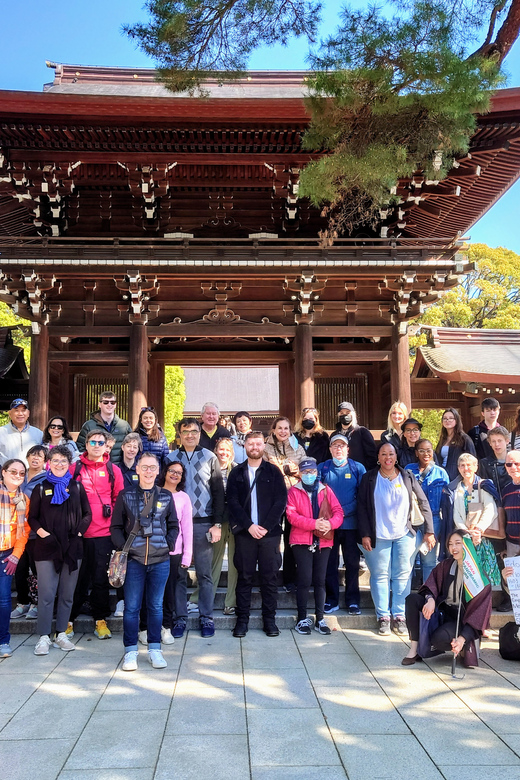
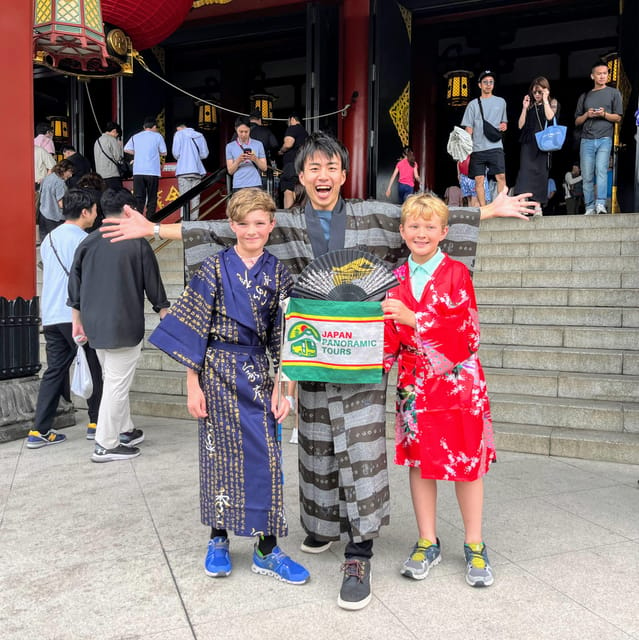
Asakusa is where the schedule slows down and the day becomes more tactile. The first landmark is Kaminarimon Gate, marked by its huge red lantern. From there, Nakamise Avenue leads toward Senso-ji, with souvenir stalls, snacks, crafts, and traditional-style goods.
You get around 30 minutes for the matcha and food tasting, about 50 minutes for lunch if you select it, and about an hour of free time. That gives Asakusa the strongest balance of guided activity and personal exploration.
The matcha experience uses first-flush tea from Uji in Kyoto. You can choose a matcha drink, matcha gelato, or, where available, matcha beer. The description emphasizes a less bitter premium matcha, which makes this a friendly introduction if you normally find powdered green tea too sharp.
Lunch is a set meal built around Japanese fried chicken and tofu, with a soft drink. The tofu is made daily at the shop using locally produced soybeans. The meal contains no pork, seafood, nuts, or crustaceans, but the dashi stock includes fish broth, so it is not suitable for strict vegetarians or anyone avoiding fish.
A gluten-free option includes grilled chicken, rice, and tofu. You need to state the number of vegetarian or gluten-free meals when booking. Muslim-friendly, lactose-free, allergy-friendly, and similar special meals are not available, so the safest choice is to book without lunch if your restrictions are serious.
The food add-on has received mixed reactions in practice. Some people find the lunch excellent and appreciate its simple Japanese menu, while others find it disappointing. I would choose it for convenience and a local-style meal, not because it is a culinary highlight.
Same streets, a different ride:
- Peaceful Hiroshima & Miyajima UNESCO 1 Day Bus Tour
★ 5.0 · 5,309 reviews - Kyoto: Fushimi Inari, Kinkakuji, Bamboo Grove 1 Day Bus Tour
★ 4.8 · 4,316 reviews - Tokyo: Kamakura & Enoshima Day Trip including Temple Tickets
★ 4.5 · 1,375 reviews - Mt Fuji & Hakone Cruise, Drum Show Bus 1 Day from Tokyo
★ 4.0 · 1,287 reviews
Tokyo Skytree: the strongest view of the day
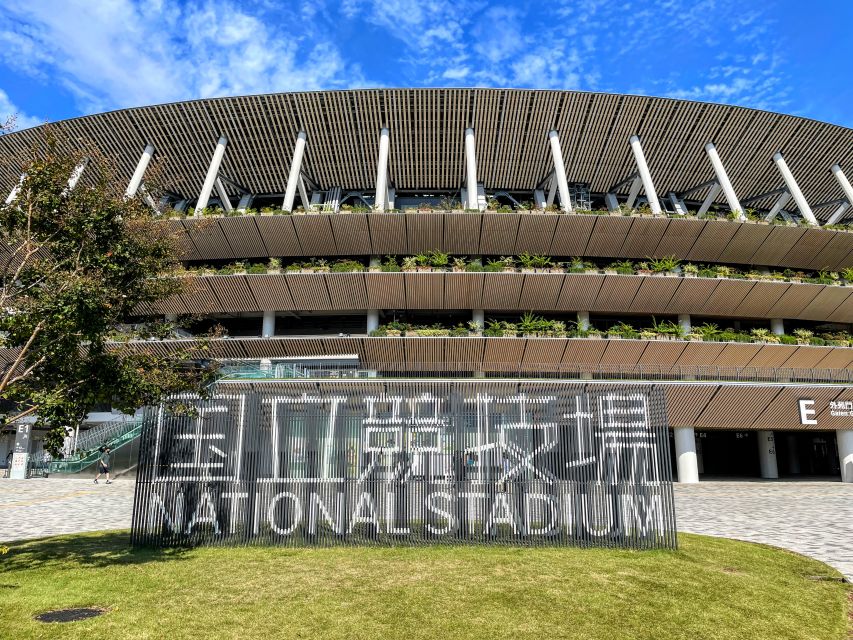
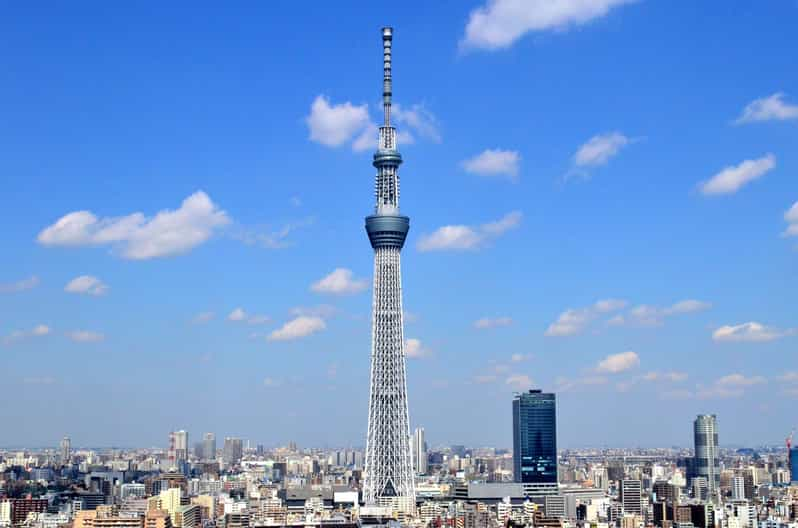
After Asakusa, the coach takes you to Tokyo Skytree and the Sora-machi shopping complex. The included ticket covers the Tembo Deck at 350 meters, and skip-the-line admission reduces one of the day’s possible delays.
Skytree gives you the clearest sense of Tokyo’s size. From the observation deck, the city stretches in every direction, with dense neighborhoods, towers, roads, and distant horizons filling the view. Several people describe this as the highlight of the tour, and I can see why. After a morning of temples and palace grounds, the wide aerial view brings the whole metropolitan scale together.
You have about 90 minutes here. Some people would prefer more time at Meiji Shrine and less at Skytree, but the longer stop makes sense if you want photographs, time on the viewing deck, and a look around Sora-machi.
Cloud, haze, or rain can affect the view. The tour still provides the admission, but the experience is naturally better on a clear day. If you are choosing between an independent Skytree visit and this tour, the advantage here is that the ticket and transport are already built into a larger day.
Odaiba and the possible Tokyo Bay cruise
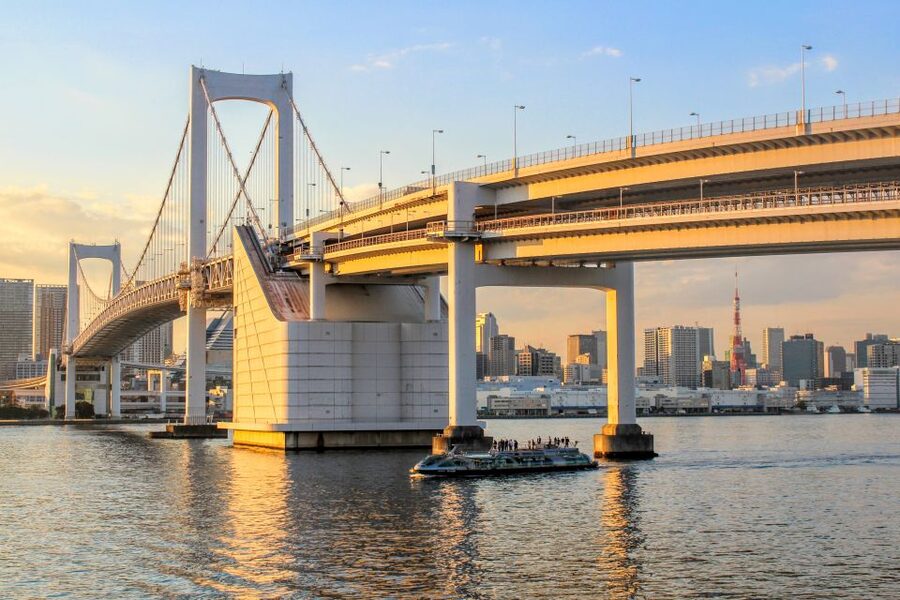
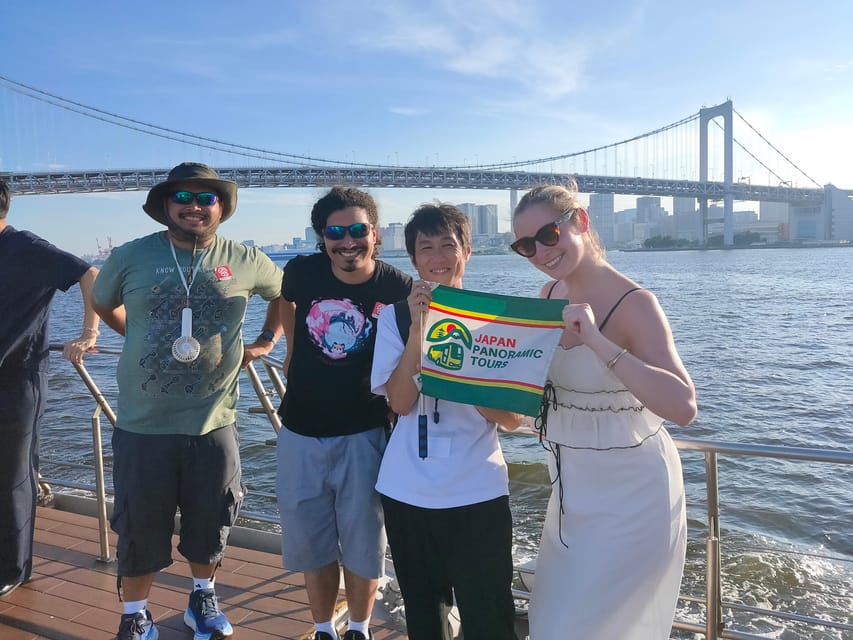
The last planned activity takes you toward Odaiba for a short Tokyo Bay cruise. The boat ride lasts roughly 15 to 20 minutes and passes under the Rainbow Bridge, with views toward Tokyo’s waterfront towers.
This is a pleasant way to end a long day because you can sit down and watch the city move past you. The cruise is not a major sightseeing voyage, though. It is a short ride rather than a full harbor tour, so you should not book this experience solely for the boat.
The cruise is generally included except on Tuesdays, when the program includes Fukagawa Edo Museum or Hamarikyu Gardens instead. High tide and technical maintenance can also cancel the boat. In those cases, the alternative visit is provided and no refund is issued.
Hamarikyu offers a garden-based change of pace, while Fukagawa Edo Museum focuses on a recreated Edo-period neighborhood. Both are sensible substitutes, but they are different experiences from being on the water. Check the day of your booking if the cruise is especially important to you.
After the final activity, the coach returns toward central Tokyo, with the listed finish at Tokyo Mode Gakuen. Because the exact return time depends on traffic and the order of the stops, avoid booking a tight evening reservation.
Guides, commentary, and language support
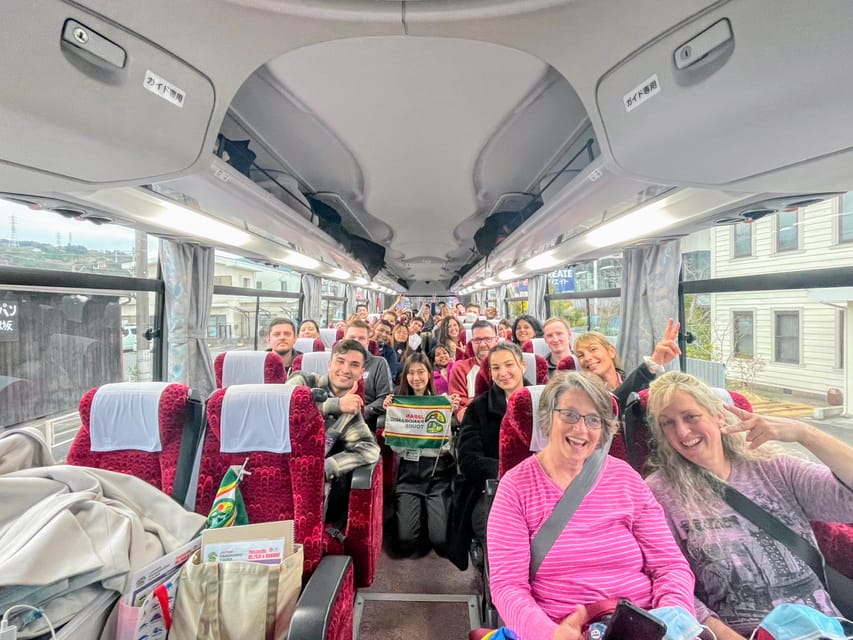
The guide is one of the strongest parts of this experience. The tour uses a live English-speaking guide, with audio headsets available in Spanish, French, Italian, German, Portuguese, and Ukrainian.
Names praised in the supplied feedback include Aya, Sora, Yui, Hiro, Levin, Lovely, Lisa, Angela, and Tsubasa. The recurring strengths are clear explanations, good humor, cultural context, and practical help with directions, restaurants, and shopping. Tsubasa is noted for teaching Japanese words and writing, while several guides explain shrine rituals and the relationship between religion, culture, and nature.
That human element matters on a packed itinerary. A good guide keeps meeting times clear, explains what you are seeing, and helps the group move through busy places without confusion. The experience can feel quite different depending on who leads it, but the pattern of praise for organization and enthusiasm is strong.
The bus has air conditioning and Wi-Fi. That is especially useful in summer, when walking between major sites can become tiring. You still need to carry your own luggage, stroller, or wheelchair on and off the bus. The tour is not suitable for people with mobility impairments, and the amount of walking may surprise anyone expecting a mostly seated coach trip.
How much walking and waiting should you expect?
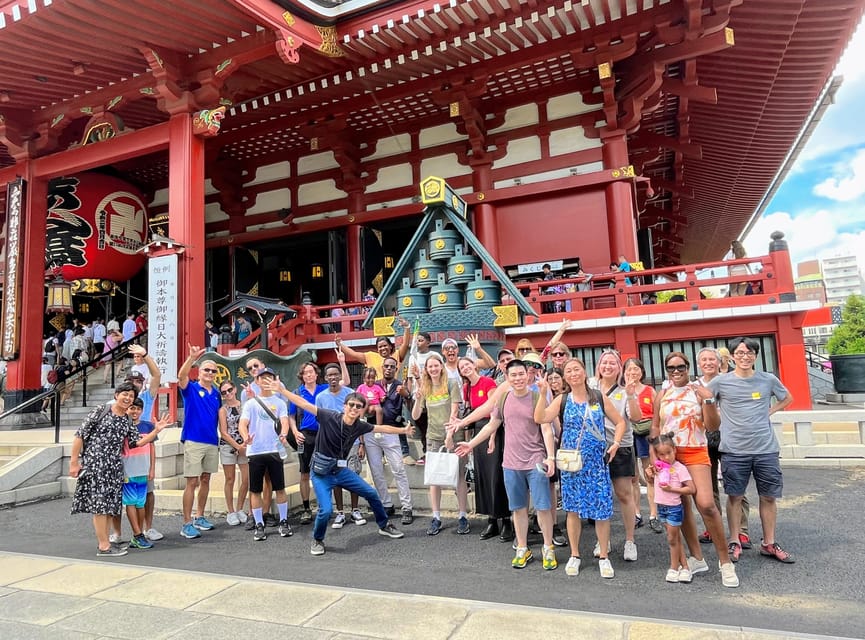
You will walk at Meiji Shrine, the Imperial Palace area, Asakusa, Skytree, and the cruise or alternative site. One report counted more than 11,000 steps, and that is a useful planning figure even though the exact amount depends on your pace and the day’s route.
The coach gives you rest between districts, but the stops themselves involve standing, moving through large grounds, and returning to a fixed meeting time. Comfortable shoes are not a minor suggestion here. Bring water and dress for the season, especially during Tokyo’s hot and humid summer.
Traffic, weather, and operational issues can change the order of the itinerary. If a site closes, an alternative may be used. That flexibility helps keep the day running, but it also means you should not treat every listed time as fixed.
Who should book this Tokyo tour?
I would recommend it to a first-time visitor with limited time, a cruise passenger with a full day in Tokyo, or anyone who wants a broad introduction without arranging several separate tickets. It is also useful for people who feel uncertain about shrine etiquette, Tokyo transport, or how to connect distant districts.
Families and older visitors may appreciate the coach, but the walking and long duration still require reasonable stamina. The day is not ideal for someone who prefers slow museum visits, long meals, independent wandering, or a flexible schedule.
The multilingual audio option helps, but the live guide speaks English. If you want detailed explanations in another language, confirm how the audio support works for your booking. Also check the meeting point, lunch choice, and whether Tuesday’s alternative program suits you.
Is the $122 price good value?
The value depends on what you would otherwise arrange yourself. The price includes the air-conditioned coach, professional guide, Skytree Tembo Deck entry, matcha, Wi-Fi, and the cruise when it operates. Lunch is included only if you choose the lunch option.
Buying these elements separately could take planning and add up, but Tokyo’s public transportation is efficient and many major sights cost little or nothing to enter. You are paying mainly for time saved, route planning, transportation between far-flung districts, and a guide who turns the stops into a connected story.
I think the price is fair for a short stay when seeing the big picture matters more than finding the lowest-cost route. It is less attractive if you are staying in Tokyo for a week and already plan to explore each district at your own pace.
My booking advice
Book this tour if you want Tokyo’s major contrasts in one organized day: shrine, palace, old-town shopping street, matcha, skyscraper views, and waterfront scenery. Choose the lunch option only if the menu works for your diet, and expect a fast pace with substantial walking.
Skip it if you want deep time at Meiji Shrine, a guaranteed cruise, or a relaxed day built around one or two neighborhoods. For everyone else, it is a practical first sweep of Tokyo, especially when guides such as Aya, Sora, Yui, Hiro, or Tsubasa bring the city’s customs and stories to life.
FAQ
How long does the Tokyo sightseeing tour last?
The tour lasts about 10 hours. The exact schedule can change because of traffic, weather, and operational conditions.
What sights are included?
The tour includes Meiji Shrine, the Imperial Palace area, Asakusa, Tokyo Skytree, and Odaiba. The coach also passes Harajuku, Omotesando, the National Diet Building, Akihabara, Ueno, and Kappabashi.
Is Tokyo Skytree admission included?
Yes. Admission to the 350-meter Tembo Deck is included, with skip-the-line entry.
Is lunch included?
Lunch is included only when you select the lunch option. The meal is a set menu with Japanese fried chicken, tofu, and a soft drink.
Can I request a vegetarian or gluten-free meal?
Yes, you can request vegetarian or gluten-free meals when booking. The gluten-free meal includes grilled chicken, rice, and tofu. The standard meal uses dashi stock containing fish broth, and Muslim-friendly, lactose-free, and serious allergy-friendly meals are not available.
Is the Tokyo Bay cruise guaranteed?
No. The cruise may be unavailable on Tuesdays, during high tide, or during technical maintenance. The tour may then visit Hamarikyu Garden or Fukagawa Edo Museum, and no refund is provided for the change.
What languages are available?
The live tour guide speaks English. Audio headsets are available in Spanish, French, Italian, German, Portuguese, and Ukrainian.
Is the tour suitable for people with mobility impairments?
No. The tour involves substantial walking, and it is listed as unsuitable for people with mobility impairments. You must also handle the loading and unloading of your own luggage, stroller, or wheelchair.
Just joined the route map around Japan
- Osaka/Kyoto: Katsuoji, Kinkakuji, Arashiyama 1-Day Bus Tour★ 4.6 · 33 reviews
- Okinawa: Full-Day Bus Tour to Yanbaru National Park★ 4.3 · 44 reviews
- Okinawa: Tropical Dream , Ryukyu Mura, Banta Cafe Bus Tour★ 4.3 · 19 reviews
- Okinawa: Churaumi Aquarium, Ryukyu Village & Manza Bus Tour★ 4.5 · 118 reviews
- Okinawa: Double-Decker Open Top Bus Tour for Shuri Castle★ 4.0 · 3 reviews
- Okinawa Churaumi or Tropical, Kouri American Village BusTour★ 4.4 · 140 reviews
- Okinawa: Bus Tour to Churaumi Aquarium with Sightseeing★ 4.3 · 20 reviews
- Kyoto: Full-Day Guided Bus Tour to Top Highlights & Tickets★ 4.6 · 533 reviews
Tokyo Bus Tours, side by side.
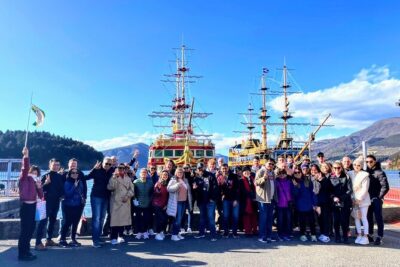
Mt Fuji and Hakone 1-Day Bus Tour Return by Bullet Train
Read our review →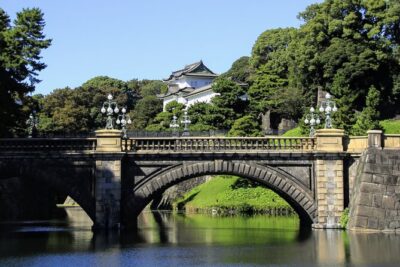
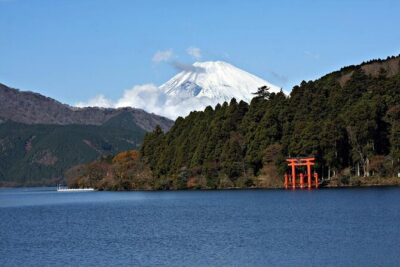
Mt Fuji & Hakone Cruise, Drum Show Bus 1 Day from Tokyo
Read our review →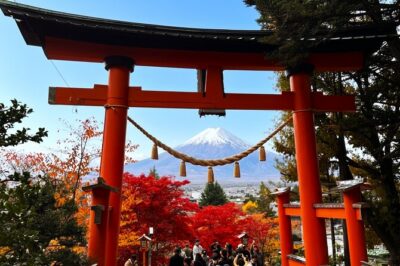
Tokyo: Mt.Fuji & Lake Kawaguchiko 1-Day Bus Tour w/Optional Lunch
Read our review →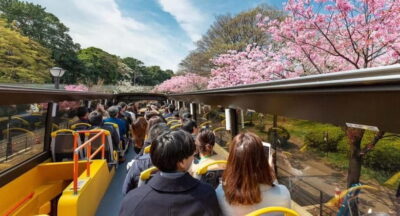
Tokyo: Open Top Panoramic Sightseeing Bus with Audio Guide
Read our review →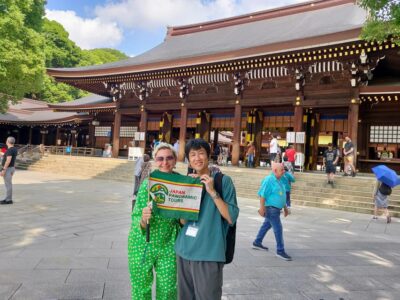
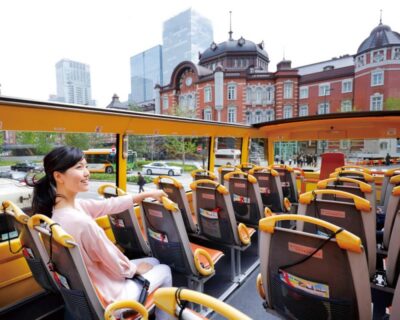
Tokyo: 60min Panoramic Open Top Bus Tour with Audio Guide
Read our review →Other lists with this bus tour