
Review · PERU
Turist Bus Colca Canyon (Chivay) To Puno
The best part of this Chivay to Puno bus ride is that it turns a long transfer into a half-day trip through Peru’s high Andes. You stop at volcano viewpoints, open puna country, vicuña habitat, and the mirror-like lakes of Lagunillas instead of spending six hours staring through a bus window.
I like the four sightseeing stops, especially Abra Patapampa and Lagunillas. I also like the practical design: air-conditioning or heating, a toilet on some buses, charging points, reading lights, and a bilingual guide. The main concern is service consistency. One passenger found the bus comfortable and the guide helpful, but said the promised snacks, bottled water, and Wi-Fi were not provided.
Key points to know before booking
- Abra Patapampa reaches about 16,000 feet: Expect cold, thin air and broad views toward several volcanoes.
- Four stops break up the long ride: You visit Abra Patapampa, Tocrapampa, Patahuasi, and Laguna Lagunillas.
- The route is both transport and sightseeing: It is a useful alternative to arranging a separate private transfer.
- Vicuñas are the prize sightings: Llamas and alpacas are common at the stops, while vicuñas depend on luck and timing.
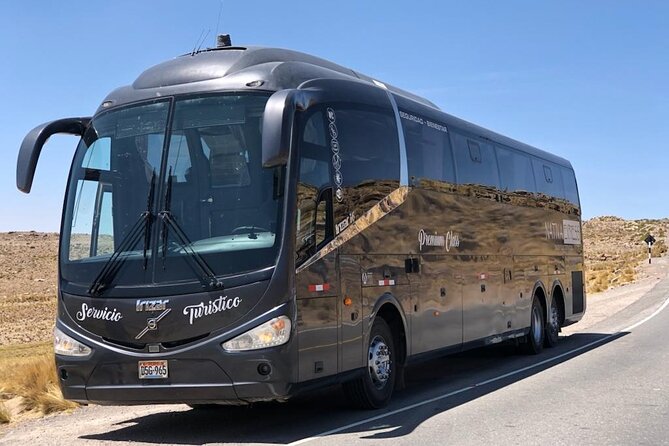
- The bus has useful comfort features: Air-conditioning or heating, charging points, reading lights, and Wi-Fi are listed as included.
- Allow extra time for arrival: The scheduled arrival in Puno is around 7:00 to 7:30 pm, but road construction can stretch the ride.
Why this Chivay to Puno route is worth considering
The road between Chivay and Puno crosses some of the highest and most open country in southern Peru. This is not a direct shuttle that simply gets you from one hotel to another. The route pauses at places that explain the region: volcanic peaks, high-altitude grasslands, native camelids, small lakes, and the traditional stone offerings known as apachetas.
At $41.03 per person, the trip offers good value if you already need to travel from Chivay to Puno. A regular transfer would cover the same basic journey, but here the guide adds context and the scheduled stops save you from organizing separate transport to remote viewpoints.
The tour is rated 4.8 from 83 ratings, with 95 percent of customers recommending it. That is a strong record, but I would still treat the listed onboard extras as useful possibilities rather than the only supplies you bring. Pack your own water, snacks, and anything you need to work offline.
The group can reach 40 people, so this is not an intimate private excursion. The benefit is a lower price and a simple, fixed route. The tradeoff is that stops follow the group schedule, and the bus may feel busy when everyone gets off for photographs.
More bus tours around Peru:
- Cusco: Sightseeing Tour of the City on an Open-Top Bus
★ 4.0 · 481 reviews - Open Bus Cusco City Tour
★ 4.5 · 219 reviews - City Tour Panoramic Bus Departure from Larcomar
★ 5.0 · 97 reviews
Meeting in Chivay at 12:30 to 1:10 pm
The meeting point is the operator’s office beside the church on Chivay’s main plaza. The gathering window runs from 12:30 to 1:10 pm, with departure planned for about 1:15 pm.
That central location is handy if you are staying in Chivay or arriving from a morning visit to Colca Canyon. Do not cut it close. You need time to find the office, confirm the bus, and settle your luggage before departure.
The schedule gives you a late lunch period before leaving, so plan to eat beforehand or carry food. Complimentary snacks are listed, but one passenger reported that snacks and bottled water were not offered. I would not rely on them as your meal.
Abra Patapampa and the Mirador de los Andes
The first major stop is Abra Patapampa, also called the Mirador de los Andes. You have about eight minutes here, which is short but enough for a quick look and photographs if the group moves promptly.
The view reaches toward Ampato, Sabancaya, Hualca Hualca, Mismi, and the Chila mountain range. Mismi is noted as the source area of the Amazon River, giving this viewpoint an extra geographic connection. You are looking across a volcanic region shaped by altitude, ice, and fire.
You can also see apachetas, small towers of stones traditionally left by travelers as offerings to local gods. They are easy to miss if you focus only on the volcanoes, so listen to the guide and look near the roadside viewpoint.
At this height, weather can change quickly. The data does not give an exact elevation, but Abra Patapampa is known as a very high pass, so bring a warm layer and move carefully. Eight minutes is not enough for a long walk, and the point of this stop is the view, not an extended hike.
Tocrapampa for llamas, alpacas, and vicuñas
Tocrapampa is described as a technical stop, with a chance to see South American camelids grazing in their natural habitat. Llamas and alpacas are the more likely sightings. If luck is on your side, you may spot vicuñas.
Vicuñas are prized for their extremely fine and costly fiber. They are smaller and more delicate-looking than llamas and alpacas, so binoculars or a good phone zoom can help. The stop is also a reminder that these animals are part of the high-country environment, not just decorative symbols for a photograph.
The timing at Tocrapampa is not specified, so follow the guide’s instructions and stay close to the bus. Since this is a working transfer with several stops, the schedule is not designed for long wildlife watching. Think of it as a well-placed chance to see native animals, not a dedicated animal tour.
Same streets, a different ride:
- Cusco: Open-Top Bus City Tour
★ 4.4 · 64 reviews - Lima : City Tour by Panoramic Bus – Walking & Catacombs
★ 4.3 · 41 reviews - Lima : City tour 360° Panoramic bus – Sightseeing Tour
★ 4.0 · 15 reviews - Machu Picchu Entry Ticket and Bus from Aguas Calientes
★ 3.8 · 8 reviews
Patahuasi and the Aguada Blanca highlands
Patahuasi, also called Pampa Cañahuas, is located in the Aguada Blanca National Reserve, behind Chachani Volcano. This is the longest listed stop at 15 minutes, giving you more time to use the facilities and look around.
The reserve is a good place to see vicuñas, llamas, and alpacas. With considerable luck, you might see foxes or guanacos in the distance. The animals are not guaranteed, and the open setting means sightings can be far away, but that uncertainty is part of the experience.
You can buy handicrafts and souvenirs here, use the restrooms, and sample hot drinks made with local herbs such as chachacoma and muña. These drinks are especially welcome in the cold highlands. They are not included in the price, so carry some Peruvian soles if you want one.
This stop has the most practical value on the route. After leaving Chivay, you have a bathroom break, a chance to stretch, and an opportunity to buy something small for the rest of the ride. Fifteen minutes passes quickly, so decide first if you need the restroom, a drink, or photographs.
Laguna Lagunillas and high-altitude reflections
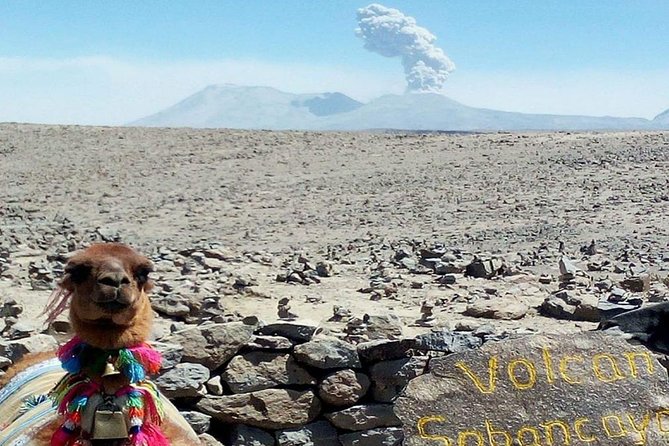
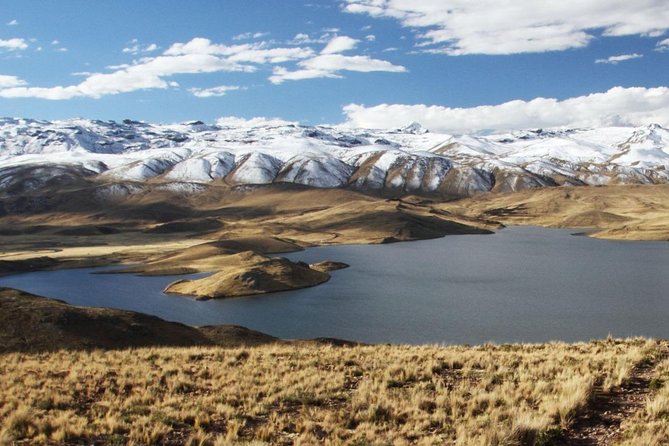
The final sightseeing stop is Laguna Lagunillas, a group of small lakes that can reflect the sky like mirrors. You get about 15 minutes at the viewpoint, enough for photographs and a short look across the water.
Andean flamingos and other birds live here, depending on the season. The birds may not be present during every visit, but the lakes remain worthwhile for their open views and changing reflections. Bring your camera, but do not let the search for flamingos distract you from the setting itself.
This stop gives the ride a calmer finish. The first stops focus on peaks and animals, while Lagunillas offers water, sky, and quiet. It is also one of the best places to make use of the short scheduled break without feeling rushed by a large attraction.
What the six-and-a-half-hour ride feels like
The advertised duration is about six hours and 30 minutes, with arrival in Puno around 7:00 to 7:30 pm. That includes the four stops, guide commentary, and the road between the two cities.
Road conditions can change the timing. One passenger reported a 7.5-hour journey because of construction traffic. That delay was not caused by the operator, but it matters if you have a dinner reservation, a late connection, or a fixed check-in time in Puno.
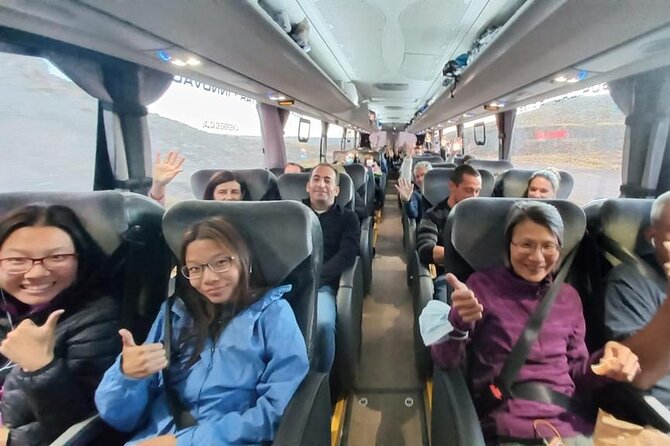
The bus is described as air-conditioned, with heating or cooling, Wi-Fi, an onboard chemical toilet depending on the vehicle, reading lights, and charging points for phones, tablets, and laptops. These features make a real difference on a long ride through remote country.
Still, I would prepare for imperfect service. Wi-Fi can be useful if it works, but one passenger specifically planned to work during the trip and found that the Wi-Fi, water, and snacks were not offered. Bring your own bottled water, food, and downloaded entertainment. Treat the charging points as a bonus rather than your only power plan.
The bilingual guide speaks Spanish and English. A good guide can turn a series of roadside stops into a clearer picture of the Andes, especially when explaining volcano names, apachetas, camelids, and local plants. The guide also helps keep the group moving and can assist with onward arrangements.
A particularly useful part of the service is help with hotel stays and onward connections. One customer praised the guide’s willingness to help people sort out accommodation and next steps. That kind of assistance matters at the end of a long day, when you may not want to solve every detail alone.
Arrival in Puno and possible hotel drop-off
The bus reaches Puno at about 7:00 to 7:30 pm. If your hotel is in Puno’s historic center, the operator may be able to take you directly to the hotel.
The wording matters: hotel direction is possible, not guaranteed for every address. Confirm the arrangement when you board, especially if you are staying outside the historic center or need a precise drop-off.
Arriving after dark makes a central hotel transfer especially useful. If the bus cannot go to your address, you will need to arrange the final short connection yourself. Keep your accommodation details handy and do not pack them deep inside your luggage.
Who will like this transfer most
I would choose this trip if you want to move between Chivay and Puno while still seeing something along the way. It suits people who prefer a planned shared service over bargaining for transport or paying for a private car.
It is also a good fit if you like short scenic stops rather than a full-day walking tour. You get photographs, animals, volcanoes, lakes, and guide commentary without adding another separate excursion to your schedule.
The trip is less suitable if you need guaranteed Wi-Fi, must arrive at an exact hour, or dislike long bus rides. It is also not the right choice for someone seeking a private experience with flexible stop times. The maximum group size is 40, and the four stops have set durations.
Most people can participate, and the activity is near public transportation at the Chivay meeting point. The experience requires good weather. If poor weather causes cancellation, you are offered another date or a full refund.
Free cancellation is available until 24 hours before the start time. Changes or cancellations inside that window are not accepted, so keep the local cut-off time in mind.
Should you book the Chivay to Puno bus?
Book it if you need this route and want more than a plain point-to-point ride. The Andes viewpoints and Lagunillas stop give the journey real sightseeing value, while the bilingual guide, restrooms, and charging points make the long ride easier.
I would book with two precautions. Bring your own food and water because the included refreshments were not consistently delivered, and allow extra time in Puno in case road construction slows the bus.
For $41.03, this is a sensible shared transfer with a strong rating and a useful route. It is not a luxury coach or a private wildlife outing. It is a practical way to cross high Peru while seeing volcanoes, camelids, and Andean lakes along the way.
FAQ
Where does the bus leave from in Chivay?
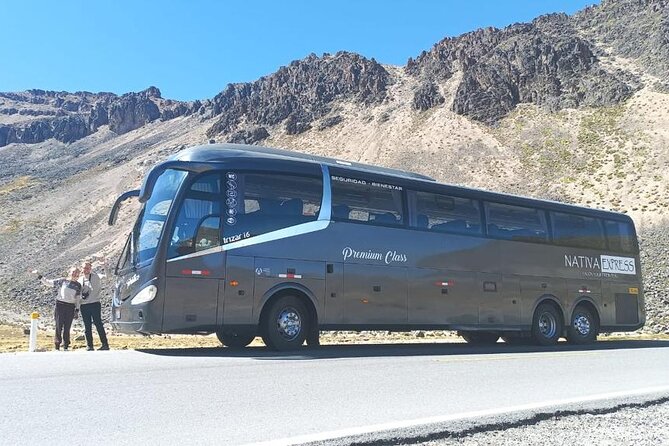
The meeting point is the Nativa Express office beside the church on Chivay’s main plaza. The meeting window is from 12:30 to 1:10 pm, with departure at about 1:15 pm.
What time does the bus arrive in Puno?
Arrival is scheduled for approximately 7:00 to 7:30 pm. Road construction or other delays can make the journey longer.
How many sightseeing stops are included?
Four stops are included: Abra Patapampa, Tocrapampa, Patahuasi, and Laguna Lagunillas.
Is a guide included?
Yes. A professional bilingual guide providing service in Spanish and English is included.
Are food, water, and Wi-Fi included?
A bottle of water, snacks, and free Wi-Fi are listed as included. One customer reported that these items were not offered, so bringing your own water and snacks is sensible.
Does the bus have a bathroom?
A chemical bathroom is listed as available depending on the type of vehicle. Patahuasi also has restrooms during the stop.
Can I cancel for a full refund?
Yes, if you cancel at least 24 hours before the experience start time. Cancellations or changes made less than 24 hours before departure are not refunded or accepted.
Just joined the route map around Peru
- Machu Picchu Entry Ticket and Bus from Aguas Calientes★ 3.8 · 8 reviews
- Machu Picchu 2 Days / 1 Night (By Bus)★ 3.7 · 4 reviews
- LIMA WALKING TOUR CATACOMBS FROM MIRAFLORES, HISTORICAL CENTER, WINES+BUS★ 4.8 · 8 reviews
- Lima : City Tour by Panoramic Bus – Walking & Catacombs★ 4.3 · 41 reviews
- Lima : City tour 360° Panoramic bus – Sightseeing Tour★ 4.0 · 15 reviews
- Lima: City Sightseeing Panoramic Bus Tour★ 3.3 · 3 reviews
- From Lima : 360° Panoramic Bus★ 4.0 · 3 reviews
- From Cusco: Full-Day Touristic Bus to Puno with Guided Tours★ 5.0 · 3 reviews
Peru Bus Tours, side by side.
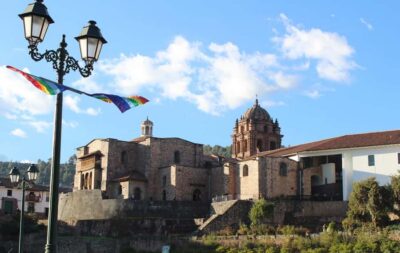
Cusco: Sightseeing Tour of the City on an Open-Top Bus
Read our review →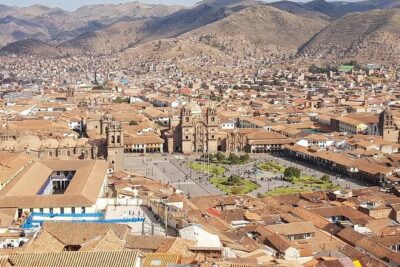
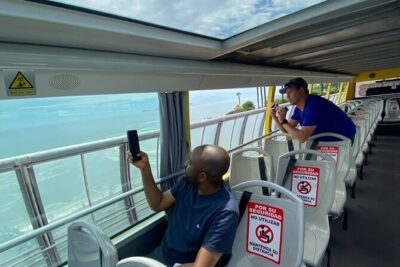
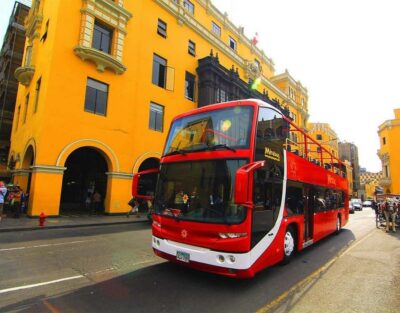
Lima : City Tour by Panoramic Bus – Walking & Catacombs
Read our review →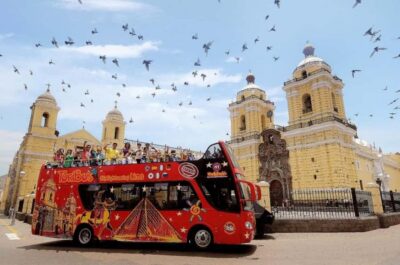
Lima : City tour 360° Panoramic bus – Sightseeing Tour
Read our review →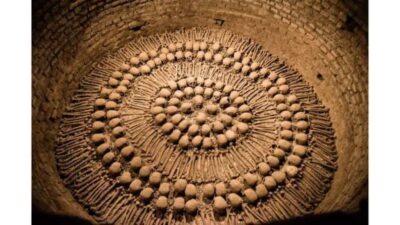
LIMA WALKING TOUR CATACOMBS FROM MIRAFLORES, HISTORICAL CENTER, WINES+BUS
Read our review →
Machu Picchu Entry Ticket and Bus from Aguas Calientes
Read our review →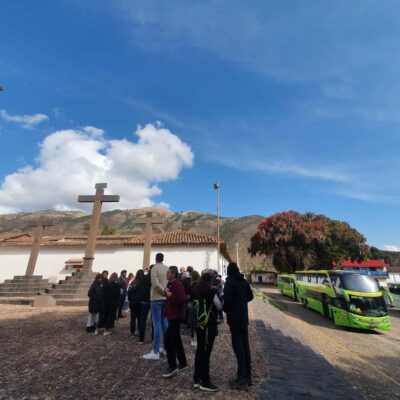
Cusco: Bus Turistico Puno Cusco con Tour y Buffet
Read our review →Other lists with this bus tour