
Review · JAPAN
From Fukuoka: Mythical “Takachiho” Day Trip by PRIVATE Bus
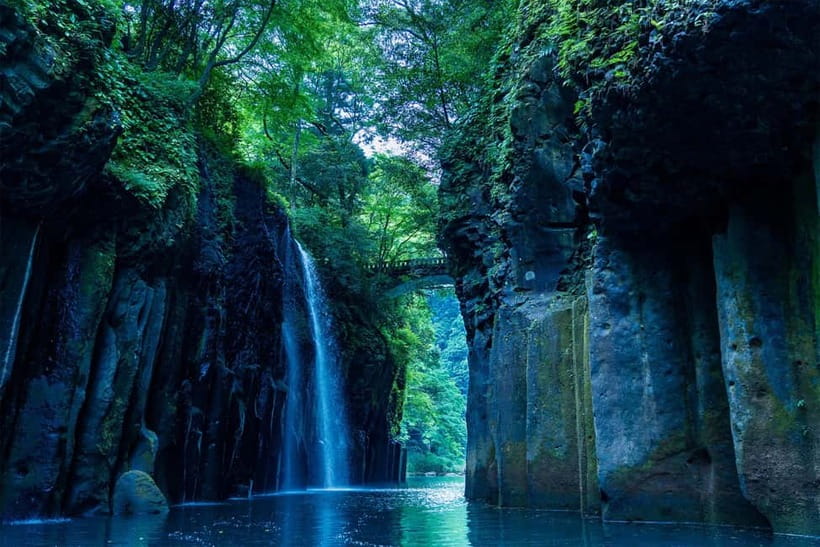
Takachiho is where Japanese mythology meets dramatic scenery: a narrow gorge, sacred caves, old cedar trees, and shrines tied to the birth stories of Japan. I like that this private tour brings you from Fukuoka to several important sites in one long day, and I like having a guide who can explain why Amaterasu, Ninigi-no-mikoto, and Emperor Jinmu matter here.
The main drawback is the distance. You spend roughly seven hours in transit, so this is not a relaxed country outing. The private bus, flexible pickup, and group price can make the day worthwhile, but only if your party values convenience more than a short travel day.
Key points to know before you book
- Takachiho Gorge gives you the day’s big visual moment, with a promenade walk and optional boat rental.
- Amanoyasukawara connects directly to the Amaterasu cave legend, one of Japan’s best-known sacred stories.
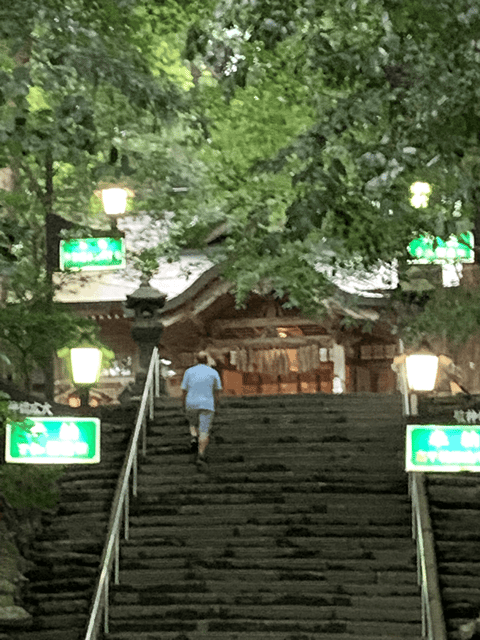
- Takachiho Shrine sits among tall cedars, offering a quiet change from the open gorge.
- Maromi-san is one guide named in the experience, and the tour also includes an English-speaking guide and driver.
- The private bus carries groups of up to 20, making the $1,353 group price easier to justify for a larger party.
- The 12-hour schedule starts at 8:00 AM and returns around 8:30 PM, so plan for a full day away from Fukuoka.
Why Takachiho is worth the long ride from Fukuoka
Takachiho sits in northern Miyazaki Prefecture, far from Fukuoka’s city streets and airport terminals. Its appeal is not one single attraction. The town brings together sacred places connected to Shinto mythology, mountain scenery, and a gorge famous for its striking rock walls and river.
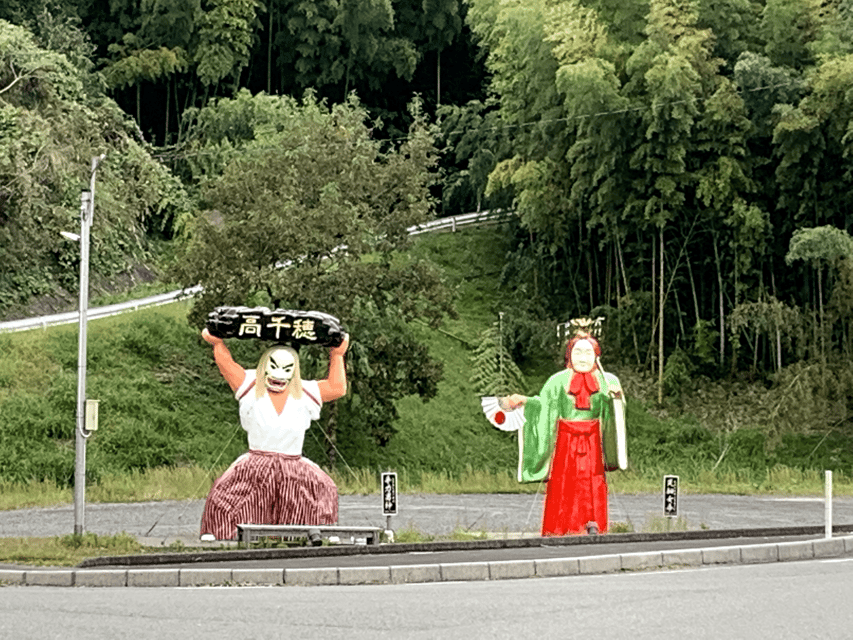
The central story concerns Amaterasu-Omikami, the Shinto sun goddess. After cruel treatment from her brother, she hid in a cave and left the world without her light. The other gods eventually lured her out. Around Takachiho, that story is not just something you read in a museum. It is attached to shrines, caves, rocks, and local worship.
I like this setting because the myths give the sites a clear sense of place. You are not simply checking off a waterfall and a shrine. You are seeing locations linked to the arrival of the gods, the imperial family, and the creation stories of Japan.
You should also keep your expectations practical. Takachiho is not close to Fukuoka, and the day involves a long round trip by bus. The reward is access to a part of Kyushu that is difficult to fit into a short visit without your own vehicle or a carefully planned overnight stay.
More Bus Day Trips in Japan
- Mt Fuji and Hakone 1-Day Bus Tour Return by Bullet Train
★ 5.0 · 26,383 reviews - 1-Day Tokyo Bus Tour
★ 5.0 · 14,250 reviews - PERFECT KYOTO 1-Day Bus Tour
★ 5.0 · 13,518 reviews
The 8:00 AM departure from Fukuoka
Pickup begins five minutes before the scheduled departure, with collection available from Fukuoka International Airport or your hotel. That is useful if you are staying in Fukuoka and want one simple pickup point rather than making several rail and bus connections.
The early start matters. The route to Takachiho takes about three and a half hours each way, and the schedule aims to bring you back to Fukuoka around 8:30 PM. I would treat this as a full-day commitment, not a casual half-day excursion.
The private format is the tour’s strongest practical feature. Your group shares a charter bus rather than joining a large mixed coach, and the maximum group size is 20. That does not mean every departure will have 20 people, but the arrangement gives your party a more controlled trip than a standard public bus outing.
The driver and guide are included, along with insurance while you are on the bus. Guide languages include English, Japanese, Traditional Chinese, and Korean. Maromi-san is one named guide associated with the experience, and the feedback specifically highlights her kindness and companionship. The driver is not named, but the same feedback gives clear credit to the driver’s accommodating service.
The Shichijo Melon Dome break in Kikuchi
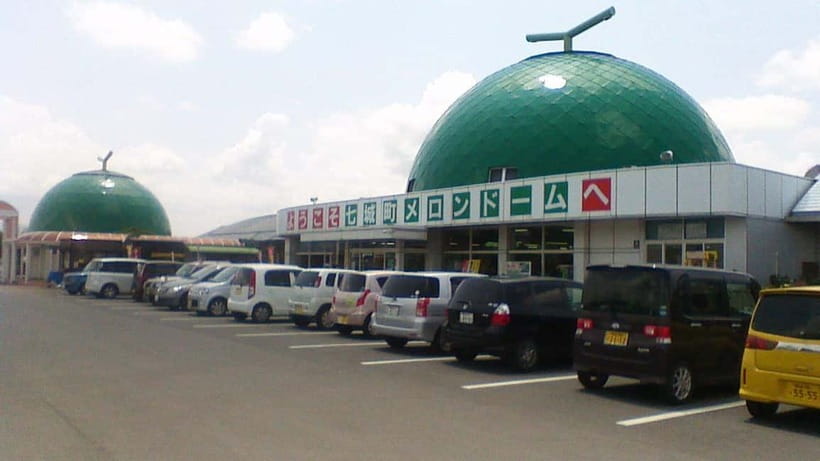
Around 10:30 to 10:45 AM, the bus stops at the Shichijo Melon Dome roadside station in Kikuchi, Kumamoto. This is a short comfort break during the long ride, not a major sightseeing stop.
That distinction is helpful. You get a chance to stretch, use facilities, and buy something if needed, but you should not plan your day around a lengthy visit here. The same roadside station appears again on the return journey from about 5:45 to 6:00 PM.
I like the repeated stop because a seven-hour road day needs a pause. Still, keep the break short and be ready when the group reconvenes. If you need snacks, water, or a drink for the bus, this is one sensible place to purchase them.
Lunch in Takachiho before the gorge
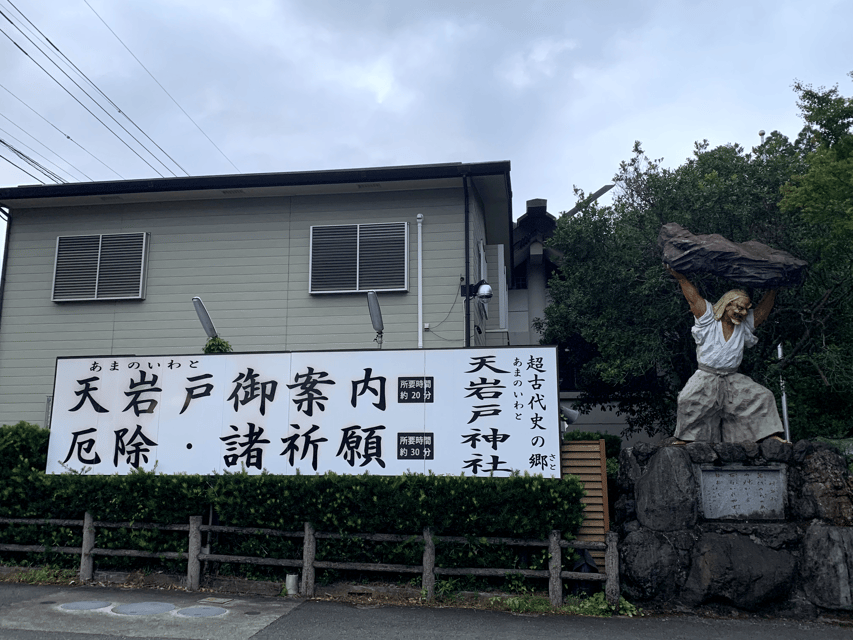
The schedule allows about an hour for lunch from 11:15 AM to 12:15 PM. You select a place to buy lunch in the Takachiho area, rather than receiving a meal as part of the tour price.
Kagura-Yado is specifically recommended as a lunch option. It is useful to know this before arriving because you have limited time and do not want to spend the whole break searching for food. Food and drinks are not included, so bring a budget for lunch and any refreshments.
The timing is practical but tight. You have an hour, and the gorge follows soon after. I would avoid an elaborate meal and choose something that can be ordered and finished without watching the clock. The upside is choice: you can select what suits your appetite instead of accepting a fixed tour menu.
Same streets, a different ride:
- Peaceful Hiroshima & Miyajima UNESCO 1 Day Bus Tour
★ 5.0 · 5,309 reviews - Kyoto: Fushimi Inari, Kinkakuji, Bamboo Grove 1 Day Bus Tour
★ 4.8 · 4,316 reviews - Tokyo: Meiji Shrine, Asakusa, Skytree Bus Tour and Cruise
★ 4.7 · 1,986 reviews - Tokyo: Kamakura & Enoshima Day Trip including Temple Tickets
★ 4.5 · 1,375 reviews
Walking into Takachiho Gorge
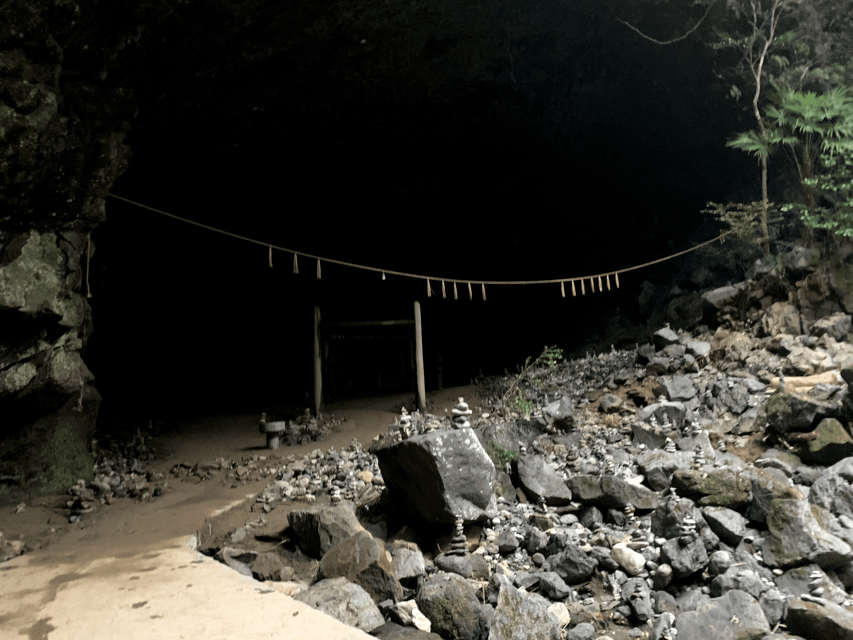
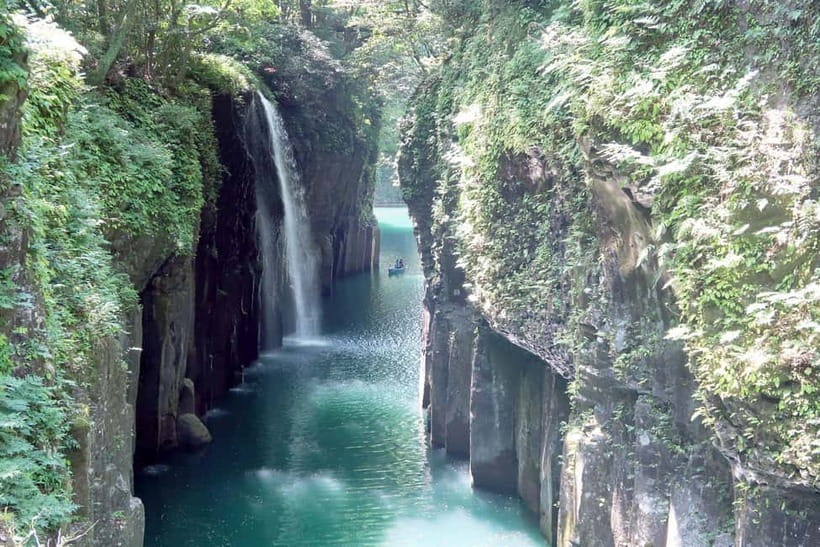
The bus reaches the Ohashi Parking Lot at Takachiho Gorge at about 12:30 PM. From there, the schedule includes a 15-minute walk along the promenade before free time continues until 2:30 PM.
The promenade is the right introduction to the gorge. It lets you see the rock walls and river setting at a walking pace, with time to stop for photographs and scenic views. The gorge is the visual centerpiece of the trip, so do not rush through this first walk.
The free period gives you room to choose how to spend the next part of the visit. You can continue walking, take photographs, or arrange a rental boat. The boat is not included and costs either 4,100 or 5,100 Japanese yen, approximately $30 to $40 according to the supplied pricing.
Boats accommodate up to three people. You can reserve online in advance through the local tourism site, which is the sensible move if getting on the water is important to you. Boat availability can affect your plans, so do not assume that free time automatically guarantees a boat.
The boat is also an extra cost on top of the tour. For a couple or small family, that may be an easy addition. For a larger group, the total can rise quickly, especially if more than one boat is needed.
The tour information also uses the word canoeing, but the practical option described is the local rental boat. I would plan around the boat reservation details rather than expect a guided paddling excursion. If you prefer to keep the day simple, the promenade and gorge views still provide the main experience.
Takachiho Shrine among the cedar trees
From 2:45 to 3:15 PM, you visit Takachiho Shrine. The shrine is just west of the town center, in a grove of tall cedars. Its unpainted buildings blend into the trees, and filtered light gives the grounds a quiet, reverent mood.
This stop works well after the open gorge. The scenery becomes more enclosed and reflective, and the shrine gives your guide a chance to explain the local mythology in a setting built for worship rather than sightseeing alone.
Takachiho has many shrines connected with Japanese gods and legends. Takachiho Shrine is one of the most important places in the town, and its setting helps you understand why sacred sites in Japan often rely on trees, rocks, water, and natural quiet as much as on architecture.
Thirty minutes is enough for a focused visit, but not for a slow, detailed study of every corner. You should use the time to follow the guide, take in the cedar grove, and notice the contrast between the simple buildings and the impressive trees around them.
Amanoyasukawara and the Amaterasu story
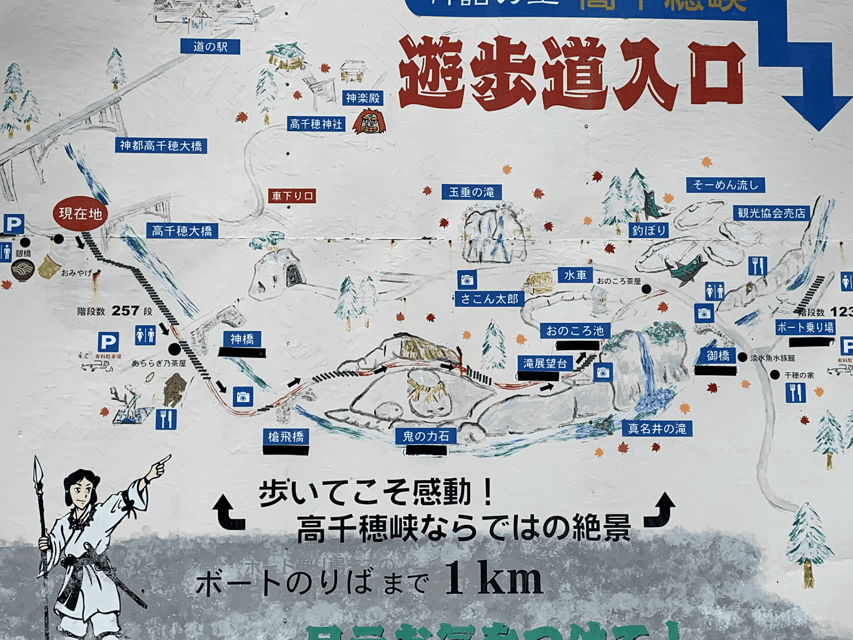
The final major sightseeing stop runs from 3:30 to 4:00 PM at Amanoyasukawara in Iwato, Takachiho. This is one of the locations linked to the story of Amaterasu hiding in a cave.
The site matters because the mythology is especially vivid here. Amaterasu’s retreat deprived the world of sunlight, and the other gods had to find a way to draw her out. The cave setting gives the story a physical anchor, even for visitors who do not know much about Shinto beliefs.
You also visit the Amanoiwato Shrine, which worships Amanoiwato, the cave where Amaterasu is said to have hidden. The schedule gives only about 30 minutes at Amanoyasukawara, so expect a concise visit rather than an extended religious tour.
Another mythological site connected with the area is Kushifuru Shrine. It was built on Kushifuru-no-mine, where Ninigi-no-mikoto, the grandchild of Amaterasu, is said to have descended. According to Japanese mythology, Emperor Jinmu was Ninigi-no-mikoto’s great-grandchild.
These connections make the day especially useful for anyone interested in Japan’s founding myths. The guide’s role matters here. Without some explanation, the names and family links can blur together. With a live guide, you can place each shrine and cave within the larger story.
The long return to Fukuoka
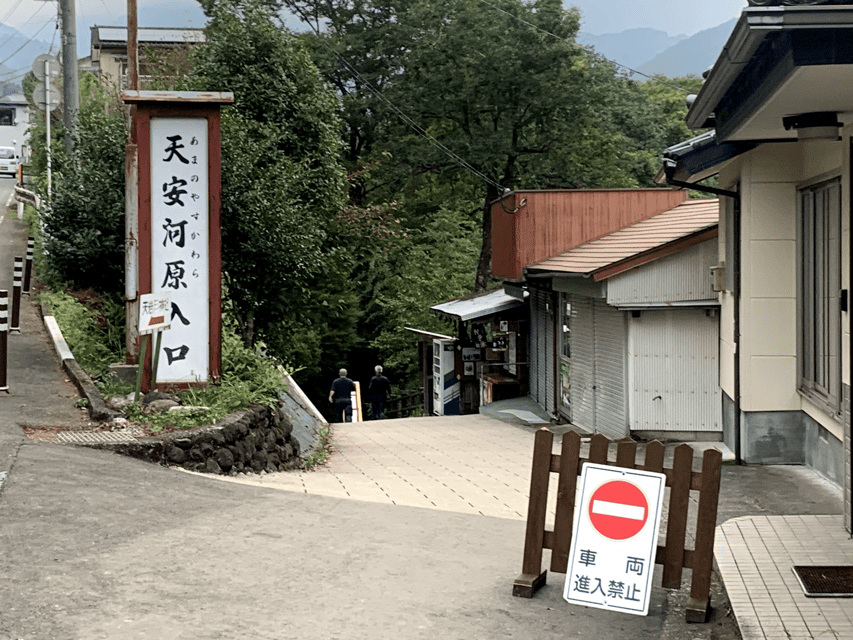
After the afternoon sites, you begin the return journey. The bus stops again at the Shichijo Melon Dome from about 5:45 to 6:00 PM, then continues toward Fukuoka for an arrival around 8:30 PM.
The return leg is the least exciting part of the experience, but it is also where the private bus earns its keep. You do not need to change trains, find a late connection, or manage a rental car after a long day. You can rest while the driver handles the route.
The tradeoff remains the same: convenience comes with hours on the road. If you are prone to motion sickness or dislike long transfers, bring whatever helps you stay comfortable. The provided information does not specify onboard amenities, so pack lightly and prepare for a straightforward bus journey.
Is $1,353 good value for a private group?
The listed price is $1,353 for a group of up to 20 people. That figure looks high if you read it as a per-person tour. It becomes more reasonable when divided across a larger private party.
For 20 people, the base cost works out to about $68 per person. For 10 people, it is about $135 per person. For a couple, it becomes a costly day before adding lunch, drinks, and a possible boat rental.
The price includes the charter bus, driver, English-speaking guide, and insurance while on the bus. It does not include food, drinks, rental boats, or entry fees. You should calculate the total based on your actual group size, not the maximum capacity.
I see the best value for families, wedding groups, company groups, or friends who want a private vehicle from Fukuoka. The value is weaker for solo visitors and couples, especially if they can arrange a cheaper public transport route or stay overnight in the Takachiho area.
The private format also saves planning time. You do not need to coordinate several connections or work out how to link the gorge, shrine, and Amanoyasukawara on your own. For some groups, that simplicity is worth paying for.
Who will enjoy this Takachiho day trip?
I would recommend this experience to you if you want to see major Takachiho sights in one day and prefer a guide-led visit. It is a strong match for people interested in Shinto mythology, Japanese origin stories, sacred places, and scenic walks.
It also suits groups that value door-to-door transport. Pickup from a Fukuoka hotel or the international airport is convenient, and the private bus keeps the party together throughout the long route.
You may want another plan if you dislike full-day excursions, need a slow pace, or want extended time at each shrine. The schedule is efficient rather than leisurely. The 15-minute gorge walk and 30-minute shrine visits provide an overview, not an unhurried study.
The activity is listed as wheelchair accessible, which is important for planning. Still, the supplied details do not explain the exact surfaces or access conditions at every gorge and cave site, so you should confirm specific mobility needs before booking.
Cancellation is free up to 24 hours in advance, and you can reserve now while paying later. Those terms help if your Fukuoka schedule is still changing, but they do not reduce the physical demand of the long day.
Should you book this private Takachiho tour?
Book it if you have a group large enough to share the cost and you want the simplest way to reach Takachiho from Fukuoka. You will see the gorge, a cedar-shaded shrine, and sites tied to the Amaterasu legend without handling the transport yourself.
Think twice if you are traveling alone, watching every yen, or hoping for a quiet, slow visit. In that case, an overnight stay in Takachiho may give you more time and less road fatigue.
For the right group, this is a practical way to reach one of Kyushu’s most myth-filled corners. The day is long, but the combination of scenery, sacred places, and guide-led context makes the distance feel purposeful.
FAQ
How long does the tour last?
The tour lasts about 12 hours. Pickup starts around 8:00 AM, and the expected return to Fukuoka is around 8:30 PM.
Where can I be picked up?
Pickup is available from Fukuoka International Airport or your hotel in Fukuoka. Pickup begins five minutes before the scheduled departure.
Is the tour private?
Yes. It is a private group experience using a charter bus, with space for up to 20 people.
Is lunch included?
No. Food and drinks are not included. You choose a place to purchase lunch in Takachiho, and Kagura-Yado is specifically recommended.
Is the rental boat included?
No. The rental boat costs 4,100 or 5,100 Japanese yen, approximately $30 to $40. Each boat can hold up to three people, and you can make a reservation online.
What languages are available for the guide?
The available guide languages are English, Japanese, Traditional Chinese, and Korean.
More day trips by coach around Japan
- Mt Fuji & Hakone Cruise, Drum Show Bus 1 Day from Tokyo
★ 4.0 · 1,287 reviews - Mt Fuji and Hakone 1-Day Bus Tour Return by Bus
★ 4.5 · 929 reviews - Tokyo: Mt.Fuji & Lake Kawaguchiko 1-Day Bus Tour w/Optional Lunch
★ 4.5 · 839 reviews - From Hiroshima: Hiroshima & Miyajima 1 Day Tour with Lunch
★ 4.7 · 395 reviews
Just joined the route map around Japan
- Osaka/Kyoto: Katsuoji, Kinkakuji, Arashiyama 1-Day Bus Tour★ 4.6 · 33 reviews
- Okinawa: Full-Day Bus Tour to Yanbaru National Park★ 4.3 · 44 reviews
- Okinawa: Tropical Dream , Ryukyu Mura, Banta Cafe Bus Tour★ 4.3 · 19 reviews
- Okinawa: Churaumi Aquarium, Ryukyu Village & Manza Bus Tour★ 4.5 · 118 reviews
- Okinawa: Double-Decker Open Top Bus Tour for Shuri Castle★ 4.0 · 3 reviews
- Okinawa Churaumi or Tropical, Kouri American Village BusTour★ 4.4 · 140 reviews
- Okinawa: Bus Tour to Churaumi Aquarium with Sightseeing★ 4.3 · 20 reviews
- Kyoto: Full-Day Guided Bus Tour to Top Highlights & Tickets★ 4.6 · 533 reviews
Japan Bus Tours, side by side.
Mt Fuji and Hakone 1-Day Bus Tour Return by Bullet Train
Read our review →
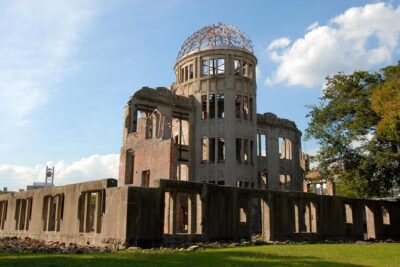
Peaceful Hiroshima & Miyajima UNESCO 1 Day Bus Tour
Read our review →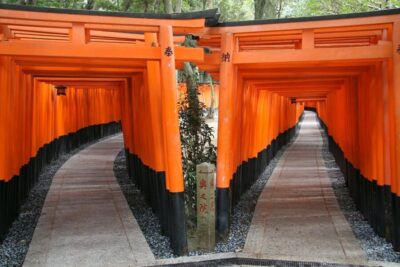
Kyoto: Fushimi Inari, Kinkakuji, Bamboo Grove 1 Day Bus Tour
Read our review →
Tokyo: Meiji Shrine, Asakusa, Skytree Bus Tour and Cruise
Read our review →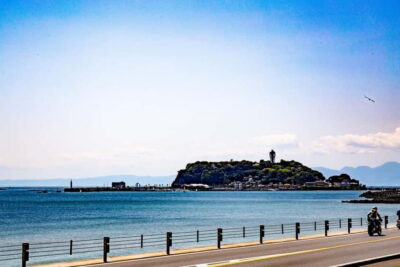
Tokyo: Kamakura & Enoshima Day Trip including Temple Tickets
Read our review →
Mt Fuji & Hakone Cruise, Drum Show Bus 1 Day from Tokyo
Read our review →Other lists with this bus tour