
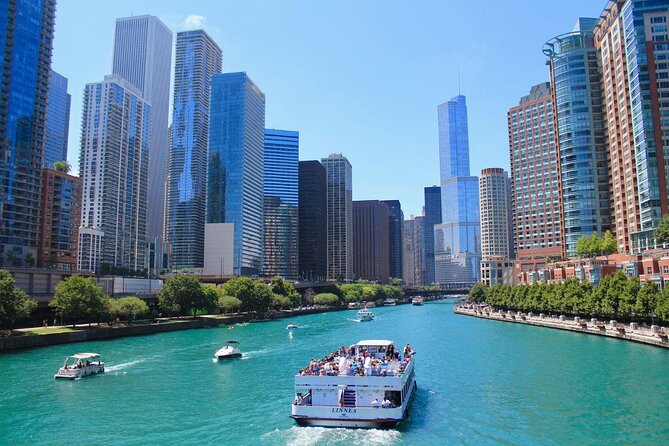
Review · CHICAGO
Big Bus Chicago: Hop-On Hop-Off Sightseeing Tour, 24/48/72hr Pass
Chicago is easiest to grasp from above street level, and this open-top double-decker route gives you a quick sweep from the Riverwalk to Navy Pier, the lakefront museums, Grant Park, and the Magnificent Mile. I like the clear first look at the city and the freedom to hop off when a museum, park, or observation deck catches your eye.
I also like the practical app, which shows stops and live bus locations, plus the covered lower deck for cold or wet weather. The main catch is timing: buses can be affected by traffic, road closures, weather, or special events, and waits may stretch when service is disrupted.
Key points to know before you book
- A two-hour circuit covers 11 useful downtown stops, from Chicago Riverwalk and Willis Tower to Navy Pier and River North.
- The route works best as both a city overview and a transport link, letting you mark places to revisit on foot.
- The upper deck is open but partly covered, while the lower deck is enclosed and climate controlled.
- The Big Bus app matters, with stop information, live tracking, city details, and ticket activation.
- Drivers can make the ride much better, especially when they add local tips. Candace, Felicia, and Donnie received special praise for their clear and friendly commentary.
- The pass is not a substitute for attraction tickets. Admission to Willis Tower, museums, Navy Pier attractions, and other sights costs extra.
Why this is a smart first ride in Chicago
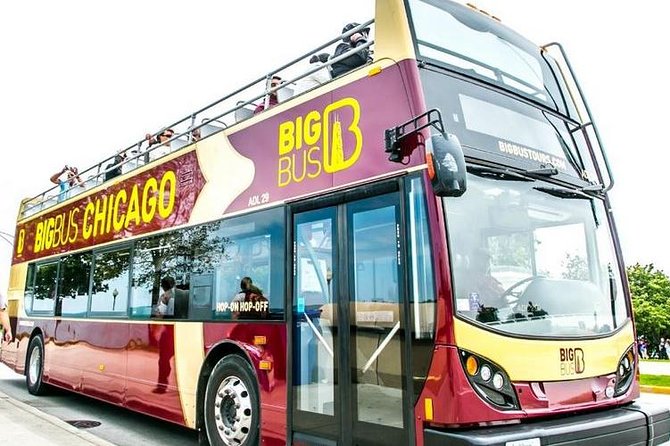
Chicago is spread across several areas that make sense on a map but can take time to connect on foot. The Big Bus route links the Loop, Museum Campus, the lakefront, River North, and the Magnificent Mile without asking you to learn the city grid on your first morning.
I would use the full circuit early in your visit. Stay aboard for the roughly two-hour ride, listen to the recorded commentary, and note the sights that deserve more time. Then use your pass to return to one or two stops later.
The recorded guide is offered in multiple languages, with headphones supplied. Audio quality can vary, and some riders have found the volume or earphones less than ideal. Still, the commentary gives you useful context as the buildings and parks pass by, especially if you are new to Chicago.
The best rides add a human voice to the recording. Drivers such as Candace, Felicia, and Donnie have been singled out for clear delivery, humor, and extra information. That personal touch is not guaranteed on every departure, but it can turn a basic transport ride into a more engaging city tour.
At $45 per person, the value depends on how you use the ticket. A 24-hour pass can make sense if you want an overview plus a few short hops. The 48- or 72-hour options become more useful if you plan to visit several areas and would otherwise pay for repeated downtown transport. If you only want a narrated drive and will not get off, the price is harder to justify.
More Hop-On Hop-Off Bus Tours in the USA
- Savannah Hop-On Hop-Off Trolley Tour
★ 4.5 · 6,527 reviews - New York: Hop-on Hop-off Sightseeing Tour by Open-top Bus
★ 4.2 · 5,863 reviews - Nashville Hop On Hop Off Trolley Tour
★ 4.5 · 5,643 reviews
Stop 1: Chicago Riverwalk and the best place to begin
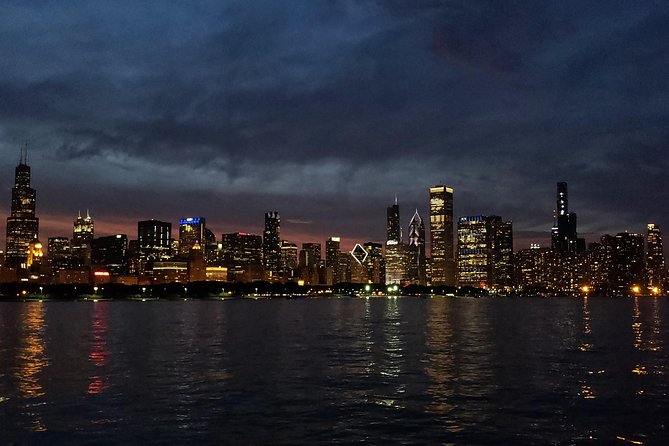
The first stop is at 98 E. Wacker Drive, across the bridge from Trump Tower and near the corner of Michigan and Wacker. It is also the main place to redeem a voucher with Big Bus staff, although you can board at other stops by showing an electronic or printed ticket.
This is a practical starting point because the Chicago Riverwalk, Michigan Avenue, and the central business district are close by. You can begin with the full loop or use the stop as a base after walking along the river.
The Riverwalk is particularly useful for understanding Chicago’s relationship with its river and bridges. The included self-guided digital walking tour on Chicago architecture gives you another way to explore the area if you select that option.
Use the app before setting out. It can help you find the exact stop, show a stop photo, provide route information, and track buses. This matters because a downtown stop may be on a particular side of a busy street or bridge, not simply at the landmark printed on the map.
Stop 2: Willis Tower and the Skydeck
Stop 2 serves Skydeck Chicago at Willis Tower. The bus gets you close to one of the city’s best-known observation attractions, but your Big Bus ticket does not include admission.
This stop is a good example of how to use the pass intelligently. If you have a timed visit to Skydeck, check the bus position in the app before leaving another stop. Traffic and city events can affect arrival times, so do not plan a tight connection.
From the bus, you get a useful view of the Loop’s dense collection of tall buildings. The recorded commentary helps put the tower and surrounding streets into context, while the open upper deck gives you a clear view when the weather cooperates.
Stop 3: Millennium Park and the Art Institute
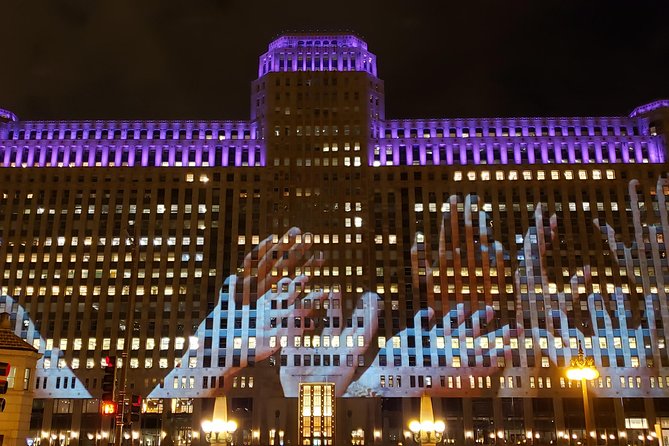
Stop 3 covers Millennium Park and the Art Institute of Chicago, two major attractions with very different personalities. Millennium Park is the quick outdoor stop, while the Art Institute can easily take several hours.
The park is a good place to hop off for photographs, public art, and a walk toward the lakefront. The self-guided digital tour on public art can add structure if you want more than a quick look.
The Art Institute is one of the route’s most valuable stops for museum-focused visitors. Since admission is separate, check your available time before buying a longer pass mainly for this stop. You may want to spend a full morning or afternoon inside, then rejoin the bus later rather than trying to squeeze the museum between short rides.
This is also a place where timing can work against you. The bus may arrive less often than you hope during traffic or service changes, so use the app before leaving the museum. A short walk or public transport may be more practical if the next bus is delayed.
More Sightseeing Bus Tours in the USA
- New Orleans City Sightseeing Hop-On Hop-Off Bus Tour
★ 4.5 · 4,943 reviews - Big Bus NYC: Hop-On Hop-Off Sightseeing Tour by Open-top Bus
★ 3.5 · 4,762 reviews - Hop-on Hop-off Sightseeing Tour by Open-top Bus with 18 Stops
★ 3.5 · 3,848 reviews - Big Bus Las Vegas: Sightseeing Night Tour by Open-Top Bus
★ 4.0 · 3,612 reviews
Stop 4: Grant Park and the Hilton Chicago
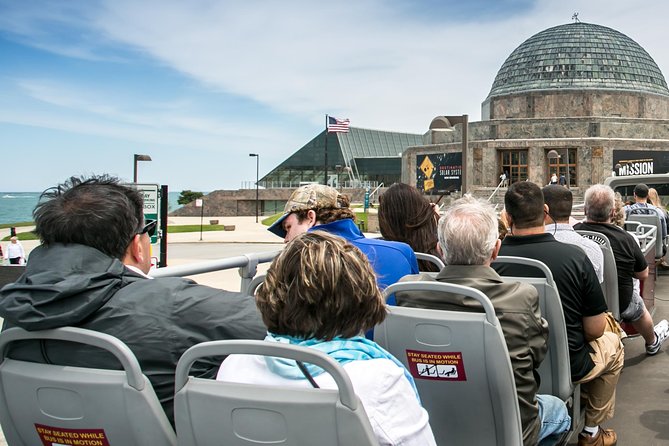
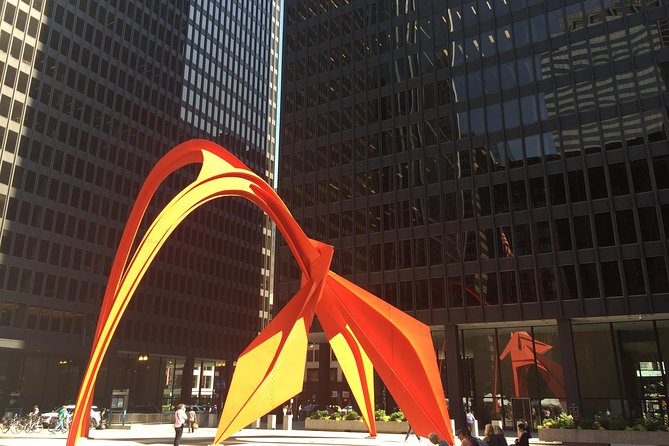
Stop 4 is at the Hilton Chicago and Grant Park. Grant Park gives you a broad open view of the city’s central area and connects naturally with Millennium Park, the Art Institute, and the Museum Campus route farther south.
I like this stop for a simple reason: it helps you see Chicago as a city of parks as well as towers. The bus route does not just thread through office blocks. It follows the public spaces that give the center room to breathe.
Special events, parades, festivals, and road closures can change service around Grant Park and Michigan Avenue. Check service information in the app before building your day around a particular final bus.
Stops 5 and 6: Adler Planetarium, Field Museum, and Museum Campus
Stops 5 and 6 bring you to the lakefront Museum Campus. Adler Planetarium offers a science-focused visit, while the Field Museum of Natural History is a larger indoor attraction with enough material for a long visit.
The ride toward the campus is one of the most scenic parts of the route. You get open views toward the lake and back toward the skyline, especially from the upper deck. On a clear day, this section is worth riding even if you do not visit either museum.
The two stops are close enough in purpose that you should choose your main attraction before getting off. Admission is not included, and each site can take more time than a quick hop-on, hop-off stop allows.
Weather matters here. Chicago wind can be sharp along the lakefront, even when downtown feels comfortable. The upper deck has a partly covered section, and the lower deck is enclosed and climate controlled, but you should still bring a warm layer for the exposed seating.
Stop 7: Chicago Architecture Center and the Sheraton Grand
Stop 7 serves the Chicago Architecture Center and Sheraton Grand. For many people, this is the route’s most useful stop for understanding why Chicago looks the way it does.
The architecture center fits naturally with the digital walking tour on Chicago architecture included with selected ticket options. You can pair a ride with a self-guided walk, then return to the bus when you are ready.
The bus itself gives you a moving view of the city’s building styles, riverfront towers, bridges, and older commercial blocks. The recorded narration may be brief in places, and extra driver commentary varies, but this section still gives you a strong first sense of Chicago’s built character.
If architecture is your main interest, do not treat the bus as the entire experience. Use it to connect areas, then walk at street level where the scale and detail are easier to appreciate.
Stop 8: Navy Pier
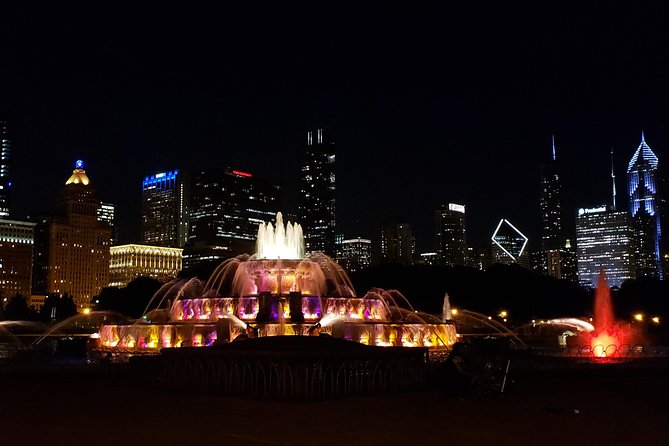
Navy Pier is one of the route’s most recognizable stops and a natural choice for families. It offers lake views, open space, shops, food, and attractions, though the Big Bus ticket covers only the ride, not pier admission or individual activities.
I would allow more time here than a quick photograph. The pier extends into the lake, so walking it can take longer than expected. It is also a useful place to pause before continuing toward the Magnificent Mile.
The drawback is that Navy Pier can become a poor place to wait without checking the bus location first. The app’s live tracking is especially useful here. If the next bus is not close, you can keep exploring instead of standing at the stop.
Stops 9 and 10: The Magnificent Mile and 360 CHICAGO
Stop 9 is at Water Tower and the Magnificent Mile. This is the route’s main shopping and Michigan Avenue stop, with department stores, restaurants, and notable city buildings nearby.
Stop 10 serves 360 CHICAGO at the John Hancock Center. Like Skydeck, the observation attraction requires its own admission. The bus ticket simply gets you near the building.
These stops work well together, but do not assume you can complete both quickly. The Magnificent Mile is a long commercial stretch, and an observation visit may have its own entry procedures and timing. Use the 24-hour pass for a short look, or choose a longer pass if you want to return after spending real time in the area.
The upper deck is particularly useful along Michigan Avenue, where the tall buildings rise close to the street. Tree branches can be an issue in some upper-deck sections, so sit with care and follow staff instructions.
Stop 11: River North and the McDonald’s stop
Stop 11 serves River North near McDonald’s. This is a practical stop for restaurants, nightlife, galleries, and easy access back toward the river.
It also closes the loop in a useful way. If your hotel or evening plans are in River North, you can finish the ride here rather than returning to the Riverwalk. The stop is less about one major attraction and more about placing you in a central area with plenty of onward choices.
Weather, seating, and the open-top experience
The open top is the reason to take a sightseeing bus rather than a standard city connection. You get unobstructed views of the skyline, parks, bridges, and lakefront. The partly covered upper section helps, but it does not turn the bus into a warm-weather shelter.
Winter conditions have produced mixed results. The covered areas can protect you from wind and snow, but heating has not always worked as expected. Seats may feel cold, and exposed sections can be uncomfortable on a bitter day.
In warmer weather, the upper deck is much more appealing, though clean windows, slippery seats, and low tree branches can affect comfort. The lower deck gives you shelter, WiFi, and climate control, but the view is less open.
I would dress for the street, not just the forecasted temperature. A warm layer, gloves, and a hat can make the difference between enjoying the loop and abandoning the upper deck after one stop.
The app, bus frequency, and real-world timing
The free Big Bus app is more than a timetable. You can add your booking reference, activate the ticket on the day of use, find stops, read city information, and follow buses in real time.
The published information gives different expectations for frequency, with buses described as arriving about every 30 to 45 minutes in one place and about hourly from each stop in another. Plan for a 30 to 60-minute wait, not a precise schedule. Traffic, weather, road closures, festivals, and parades can cause further delays or early service changes.
The first bus departs at 10 a.m., and the last is listed at 5 p.m. Check the current operating details before you set out, especially if you have a 48- or 72-hour pass and plan to use it on a particular day.
You can activate the ticket in the app and show it to the driver, or redeem a voucher at the Riverwalk stop or with a driver at another Big Bus stop. No hotel pickup is provided, so you make your own way to the route.
Who should buy the 24-, 48-, or 72-hour pass?
The 24-hour pass is best for a first look at Chicago, especially if you plan to ride the entire loop and hop off at one or two places. At $45, it offers fair value when it replaces several short taxi or rideshare trips and gives you a narrated overview.
The 48-hour pass suits a slower visit with museums, the lakefront, and neighborhoods spread across the route. You get more chances to work around traffic and weather, though the pass is only useful when the service is actually operating.
The 72-hour pass makes sense if sightseeing is a central part of your schedule and you want transport between several stops over multiple days. It is less appealing if you have a compact itinerary or prefer walking and public transit.
This tour suits first-time visitors, families, solo visitors who want an easy orientation, and anyone who finds city navigation tiring. It is less suitable if you need exact departure times, want a detailed live guide throughout, or plan to visit attractions that require long indoor stays.
Should you book Big Bus Chicago?
Book it if you want a quick, flexible introduction to Chicago and will use the pass for more than one full circuit. The route connects the places most people want to see, and the views from the upper deck are especially good around the river, parks, Museum Campus, and Michigan Avenue.
I would book the 24-hour option for a short visit, then use the app and ride early enough to leave room for delays. Choose 48 or 72 hours only if you have several stops in mind and can accept changing schedules.
Do not book it as a guaranteed point-to-point service. Traffic, cold, road closures, and uneven audio quality are real considerations. If you can work with those limits, Big Bus Chicago is a useful way to get your bearings fast, choose where to spend your time, and see the city without starting your visit with a complicated route map.
FAQ
How long does one full Big Bus Chicago circuit take?
A full round trip takes about two hours if you remain on the bus and do not get off at any stop.
How often does a bus arrive at each stop?
The stated service interval is approximately every 30 to 45 minutes, while other operating information notes that buses may run about hourly from each stop. Use the app for live tracking and current route information.
What time does the first and last bus operate?
The first bus departs at 10 a.m., and the last bus departs at 5 p.m., according to the provided operating information.
Can I board at any stop?
Yes. You can show a printed or electronic ticket at any Big Bus stop along the route. You can also redeem a voucher at Stop 1, Chicago Riverwalk, or with a driver at another stop.
Do I need the Big Bus app?
You can board with a printed or electronic ticket, but the app is useful for activating your ticket, finding stops, checking city information, and tracking buses in real time.
Is the bus wheelchair accessible?
Wheelchair-accessible vehicles with lifts are operated, and the lifts can accommodate up to 650 pounds. Not every vehicle is equipped, so you should note the accessibility requirement when booking.
Are pets allowed on the bus?
Pets are not allowed. ADA service animals are permitted.
Are food, drinks, or luggage allowed onboard?
Food and alcohol are not permitted. Non-alcoholic drinks in screw-top bottles are allowed, but luggage is not permitted onboard.
Just joined the route map around the USA
- San Francisco: Sightseeing Sunset Tour by Open-Top Bus★ 4.4 · 105 reviews
- San Francisco: Movie Filming Locations Bus Tour★ 4.9 · 368 reviews
- San Fransisco: Vintage VW Bus Wine Country Tour Small Group★ 5.0 · 5 reviews
- San Francisco: Hop-On Hop-Off Tour with Optional Night Tour★ 4.5 · 94 reviews
- SF: Napa & Sonoma Wine Tour & Hop-on Hop-off Tour (Save 15%)★ 4.5 · 2 reviews
- San Francisco Double Decker Bus Night Tour★ 4.3 · 95 reviews
- San Francisco: City Sightseeing Tour on Hippie Bus★ 4.9 · 20 reviews
- San Francisco: 2 Day Hop-On Hop-Off 20-Stop Deluxe Bus Tour★ 3.5 · 42 reviews
Chicago Bus Tours, side by side.
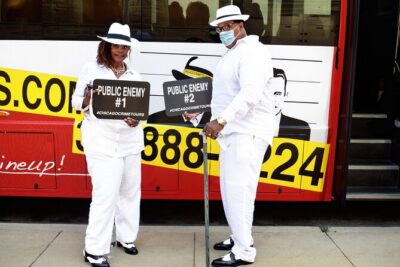
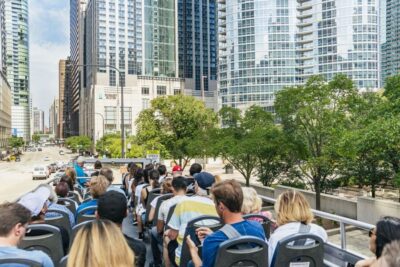
Chicago: Hop-on Hop-off Sightseeing Tour by Open-top Bus
Read our review →
Chicago: Prohibition Speakeasies Bus Tour or Walking Tour
Read our review →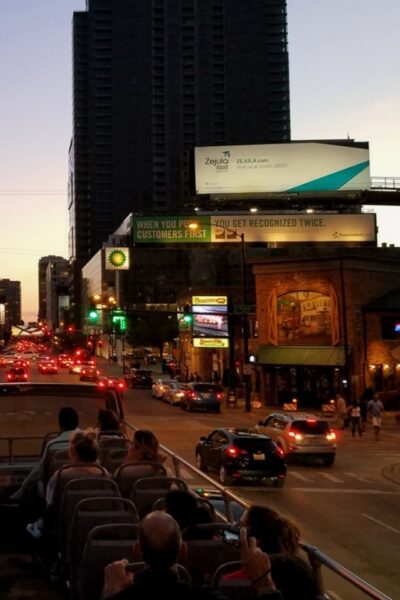
Chicago: Sunset Tour by Open-top Bus with Live Guide
Read our review →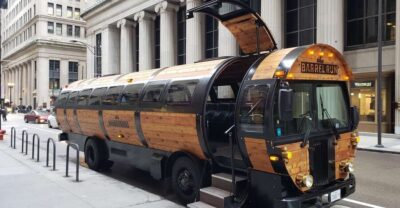
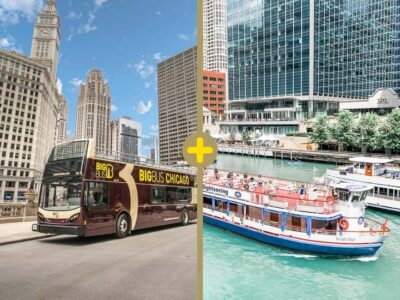
Chicago: Architecture River Tour and Hop-on Hop-off Bus Tour
Read our review →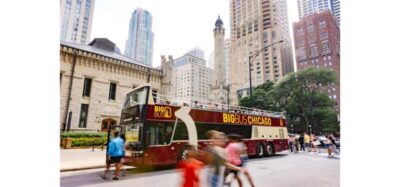
Chicago: 360 CHICAGO & Hop-on Hop-off Bus Tour (Save 20%)
Read our review →
Other lists with this bus tour