
Review · JAPAN
Tokyo: Kamakura & Enoshima Day Trip including Temple Tickets
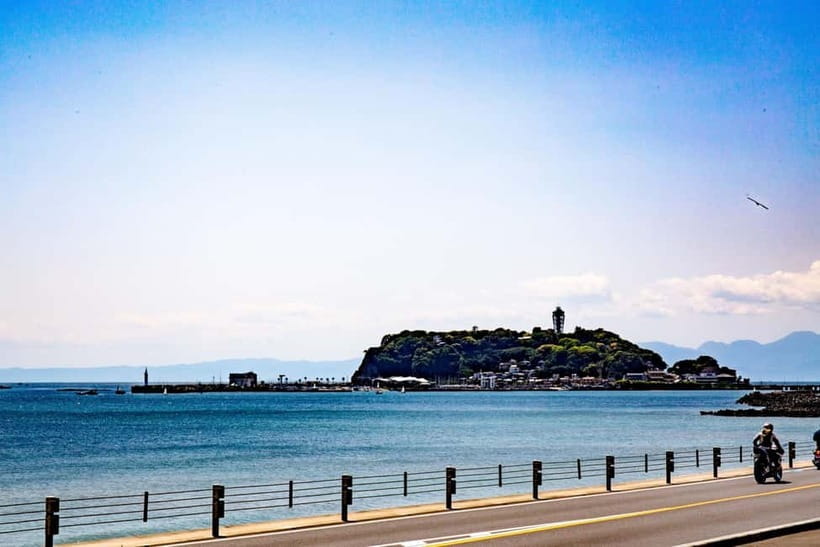
Kamakura gives you samurai-era shrines, a 13.3-meter bronze Buddha, flower-filled temple grounds, and a seaside island all in one long day. Enoshima is the finale, with seafood, ocean views, old shrine paths, and a chance to see Mt. Fuji when the air is clear.
I like the way this trip pairs major sights with free time, and I like that Hasedera and Kōtoku-in entrance tickets are included. Guides such as Eric, Yuki, Mitsuko, and Omar have earned praise for clear explanations and steady pacing. The tradeoff is simple: this is a broad introduction, not a slow, thoughtful visit. Two hours on Enoshima can pass quickly, and some people want more time at the Great Buddha.
Key points to know before you book
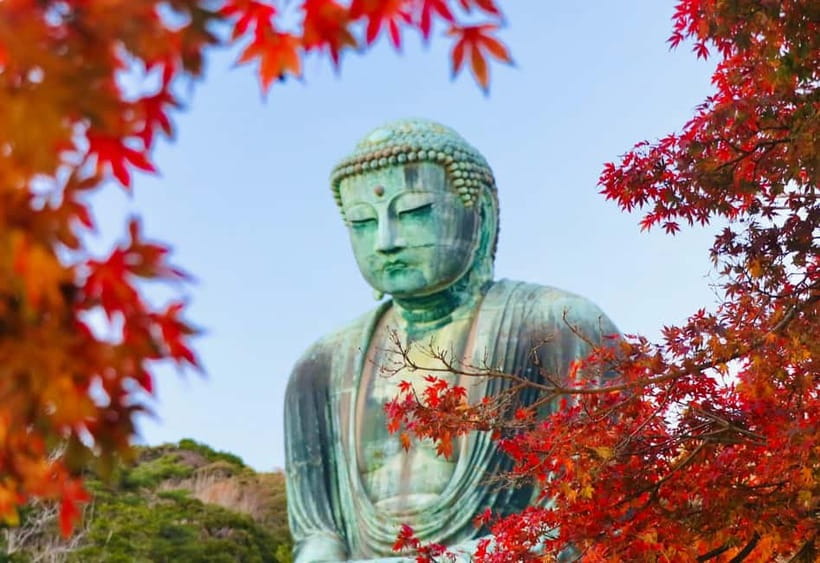
- The Great Buddha is the day’s signature sight: At Kōtoku-in, you can see the bronze Amida Buddha up close and enter the statue for a small interior look.
- Komachi Street adds food and shopping: The lane runs from Kamakura Station toward Tsurugaoka Hachimangu and has about 250 shops, with shirasu dishes, dumplings, croquettes, souvenirs, and clothing.
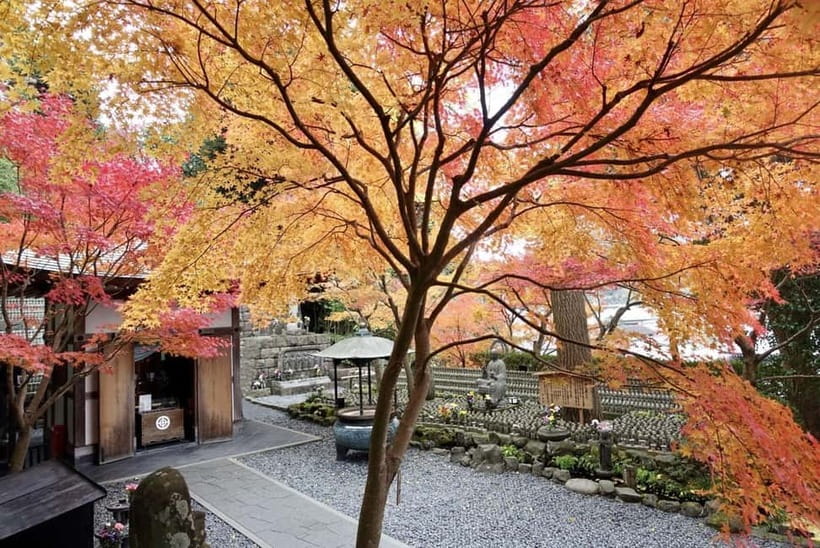
- Hasedera changes with the seasons: Cherry blossoms, peonies, hydrangeas, and autumn leaves give this temple a different feel throughout the year.
- Enoshima supplies the coastal finish: The island combines shrine paths, caves, cafés, seafood, the Sea Candle, and high viewpoints toward Mt. Fuji.
- The guide makes the schedule work: Guides including Eric, Yuki, Mitsuko, Omar, Koji, and Sumi have been praised for history, photo tips, kindness, and keeping the group on time.
- This is good value for a first look: At $58, transport, a full-day route, a guide, and two temple tickets make the trip practical for a short Tokyo visit.
Why Kamakura makes such a good break from Tokyo
Kamakura was Japan’s political and cultural center during the Kamakura period. That past still shapes the town. You are not simply moving from one famous photo stop to another. You are seeing the religious and political symbols that helped define medieval Japan, then walking through a modern coastal town where locals shop and eat.
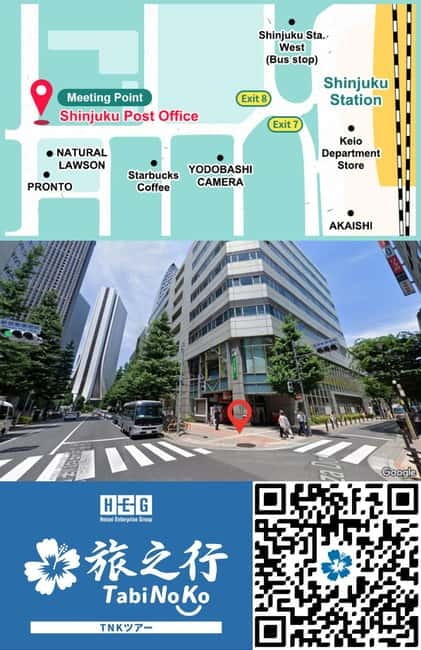
The route begins from one of two possible meeting points, Shinjuku Post Office or GLOBAL RING CAFÉ. Check your exact booking details carefully, then arrive at least 10 minutes early. The bus leaves on time, and the only stated drop-off is in the Shinjuku area.
The air-conditioned vehicle saves you from piecing together several train rides and local connections. That matters here because the day covers several separate places, and Kamakura’s narrow roads can be difficult for a large vehicle. Traffic can also change the amount of time available at each stop, so think of the schedule as a well-managed overview rather than a guarantee of equal time everywhere.
Guides may lead in English, Chinese, or both languages if groups are combined. Past guides have included Eric, Yuki, Mitsuko, Omar, Koji, Sumi, Yumi, and others. The strongest pattern is practical help: background on the places, directions, photo suggestions, and reminders that keep the group moving.
More Bus Day Trips in Japan
- Mt Fuji and Hakone 1-Day Bus Tour Return by Bullet Train
★ 5.0 · 26,383 reviews - 1-Day Tokyo Bus Tour
★ 5.0 · 14,250 reviews - PERFECT KYOTO 1-Day Bus Tour
★ 5.0 · 13,518 reviews
Tsurugaoka Hachimangu and the first look at samurai Kamakura
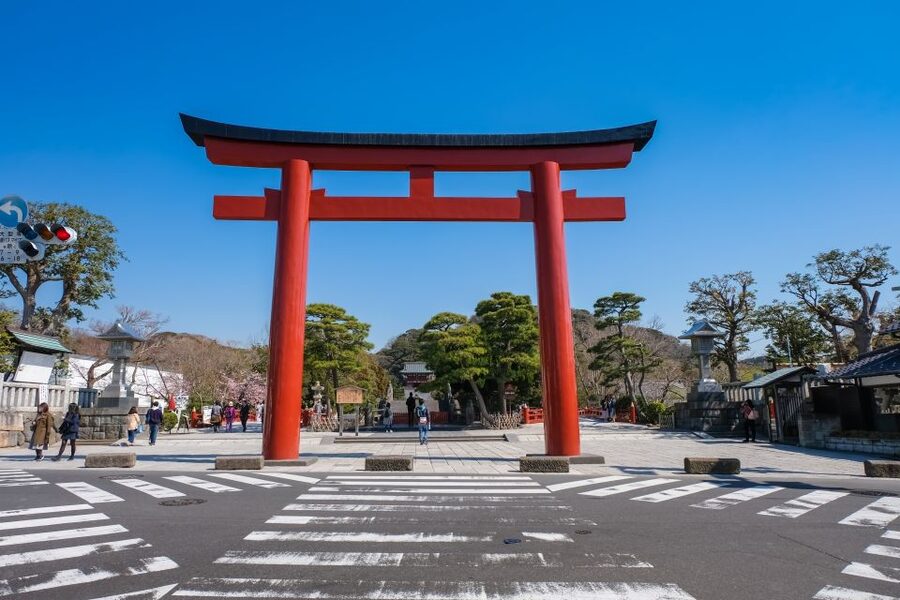
Tsurugaoka Hachimangu is one of Kamakura’s most important Shinto shrines and one of Japan’s most visited. With more than 800 years of history, it served as a spiritual anchor for the samurai government based in Kamakura.
You have about an hour here for a guided visit, photographs, and free time. The shrine gives you a useful first lesson in the town’s past. Its importance is not only religious. It also reflects the authority and ceremony of the warrior society that ruled Japan from this area.
The shrine draws about 2.5 million people during New Year’s hatsumode, when people make their first shrine visit of the year. That figure helps explain its national importance, but it also means this can be a busy place. Your hour is enough to take in the main setting and get photographs, but not enough for a slow study of every corner.
I would stay close to the guide at the start, especially if you want the historical explanation. Then use the free time for your own photographs. The tour’s format gives you some independence, but you need to be back at the agreed meeting point on time.
Komachi Street, local snacks, and a useful lunch stop
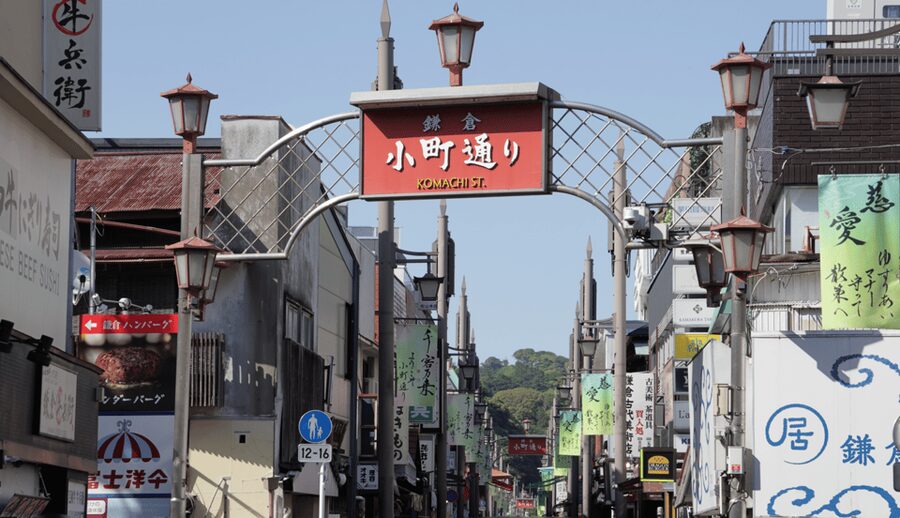
From Kamakura Station toward Tsurugaoka Hachimangu, Komachi Street runs roughly 360 to 600 meters and carries about 250 shops. It is the most casual part of the day, with souvenir stores, fashion, small restaurants, and food stalls.
Look for local bites such as shirasu dishes, dumplings, and croquettes. Shirasu, young whitebait, is closely linked with the coastal area. You will also find traditional goods mixed with modern clothing and sweets, so this is not a preserved old street in the museum sense. It is a working shopping lane shaped for both local use and sightseeing.
The schedule allows about an hour. That is enough to browse and grab a snack, but it can feel short if you sit down for a full meal. One useful tip from the day’s experience is to choose quick street food when possible, especially if you want to protect time later at Enoshima or visit the caves.
If you prefer a proper restaurant meal, keep an eye on the clock. A relaxed lunch can easily use the entire break. I would treat Komachi Street as a chance to sample several small things rather than commit to one long meal.
Hasedera, Kannon, and the flowers of the temple grounds
Hasedera dates to 736 and is one of Kamakura’s oldest temples. Its best-known religious object is a 9.18-meter Eleven-Headed Kannon statue. The temple also gives you views over Kamakura and Sagami Bay.
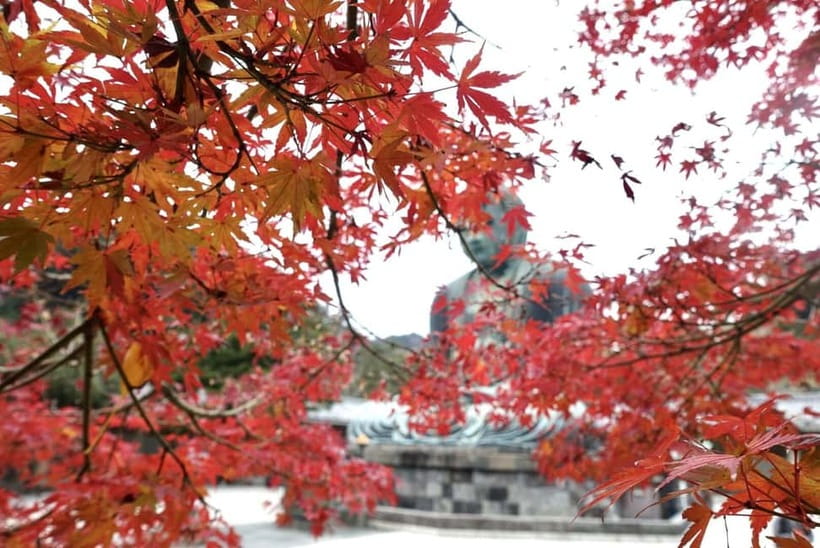
The visit lasts about 50 minutes. That is a sensible amount for seeing the main grounds, taking photographs, and hearing the basic story, but the setting invites lingering. Hasedera is especially appealing if you care about gardens and seasonal flowers. Cherry blossoms, peonies, hydrangeas, and autumn leaves each change the character of the visit.
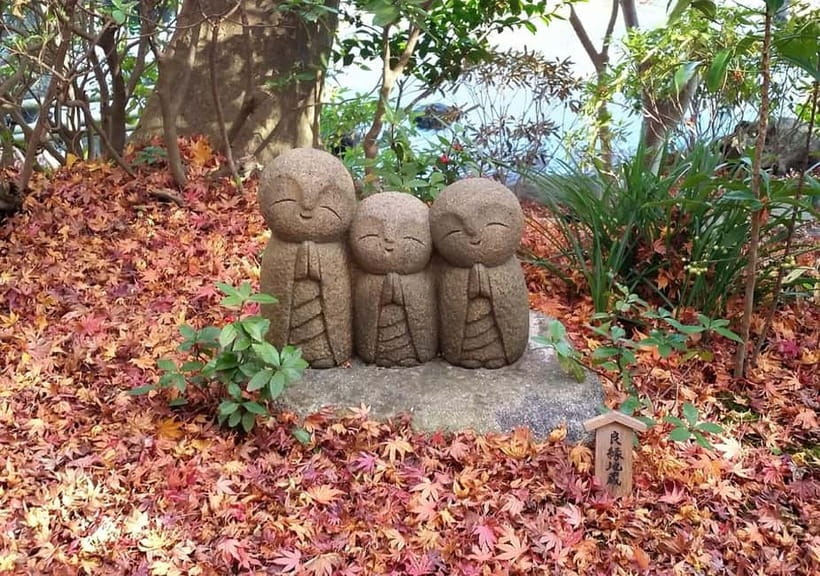
You will also see small Jizo figures around the grounds. These gentle-looking statues are associated with the protection of children and travelers, and they add a human touch to the temple paths.
The temple has steps and walking, so comfortable shoes help. On hot days, as several people experienced during summer visits, the gardens are pleasant but the climb and outdoor time can feel demanding. Bring water and use the shaded areas when available.
The included Hasedera ticket is important for value. You do not need to stop and arrange admission while the group is moving through a busy day. The guide can explain the main features, then you can decide how much time to spend on flowers, views, statues, or photographs.
Same streets, a different ride:
- Peaceful Hiroshima & Miyajima UNESCO 1 Day Bus Tour
★ 5.0 · 5,309 reviews - Kyoto: Fushimi Inari, Kinkakuji, Bamboo Grove 1 Day Bus Tour
★ 4.8 · 4,316 reviews - Tokyo: Meiji Shrine, Asakusa, Skytree Bus Tour and Cruise
★ 4.7 · 1,986 reviews - Mt Fuji & Hakone Cruise, Drum Show Bus 1 Day from Tokyo
★ 4.0 · 1,287 reviews
Kōtoku-in and the Great Buddha of Kamakura
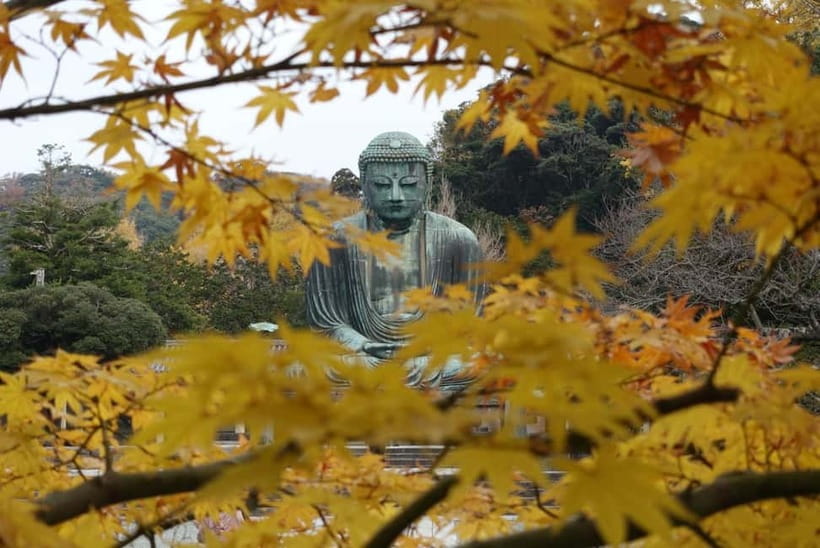
Kōtoku-in is home to Kamakura’s most famous image, the bronze Great Buddha of Amida Buddha. It measures about 13.3 meters high and weighs roughly 121 tons. The statue is designated a National Treasure.
The visit lasts about 30 minutes. That is enough to approach the Buddha, take photographs from several angles, and enter the statue to see part of its internal structure. The scale is impressive, but the close view also reveals the calm expression and fine details that can be lost in a distant photograph.
This is the stop where the schedule feels tightest for people who want more than a quick look. The Buddha is the central reason many people come to Kamakura, and you may want extra time to absorb the setting, walk around the grounds, or browse nearby stalls.
The included Kōtoku-in ticket makes the stop straightforward. Listen for the return time before you spread out. If you want to enter the statue, check the timing first so you do not spend your full visit waiting.
Cherry blossoms in spring and autumn leaves later in the year give the temple grounds extra appeal. Still, the Buddha itself works in every season, including a gray day when the coastal view is less clear.
Enoshima, where the day turns toward the sea
Enoshima receives about two hours, including time for its main sights, shopping, food, and walking. This is the most varied stop, and it is also the one most likely to leave you wishing for another hour.
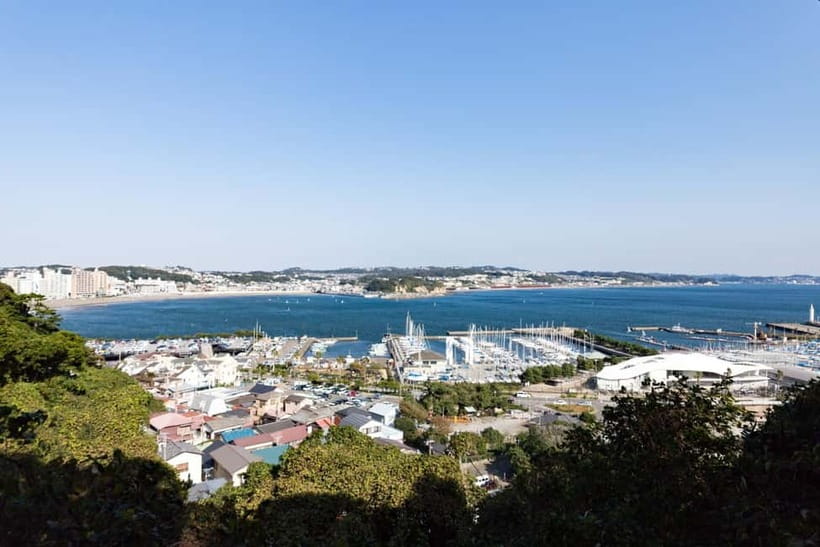
The island combines an old shrine, a botanical garden, an observation tower, caves, stairways, shops, cafés, and seafood restaurants. It feels different from inland Kamakura. You are now on the Shonan Coast, with sea air, open views, and a more relaxed seaside mood.
Enoshima is connected with a shrine tradition more than 1,000 years old. Enoshima Shrine is spread across the island, so you will not experience it as one compact building. The paths lead you through different sections and past small religious details.
The island also has many steps and walking sections. If you want to cover the Sea Candle, shrine, caves, and shopping street, plan your route before wandering. The tour includes free time, which is useful, but you are responsible for watching the clock.
Sea Candle, Iwaya Cave, and Enoshima Shrine
Enoshima Sea Candle is the island’s main observation tower and a good place to look outward. On a clear day, Mt. Fuji may appear in the distance. That view is never guaranteed, but clear weather can turn the final stop into the visual highlight of the day.
The Samuel Cocking Garden provides walking paths around the tower area. It gives you a calmer break from the shopping lanes and a chance to enjoy the island’s plants and sea views.
Enoshima Iwaya Cave adds a more unusual stop. The caves are reached on foot and are included in the island’s sightseeing time. If you want to see them, do not spend all your time at lunch. A quick snack from a vendor is the safer choice when time is limited.
The cave visit works best for people who enjoy places with a little atmosphere and physical movement. It is not a long museum visit. You walk, look, and keep moving, with the sea and island setting doing much of the work.
Enoshima Shrine is the cultural heart of the island. The long religious tradition is easy to appreciate even if you do not follow every detail of the shrine layout. Give yourself time to notice the small features along the approach instead of racing only toward the highest viewpoint.
Benzaiten Shopping Street and the food of the coast
Enoshima Benzaiten Shopping Street is where you can pick up local snacks, souvenirs, and seafood. The street gives you a taste of the island’s everyday tourist economy, with cafés and restaurants mixed among shops selling regional goods.
Fresh seafood is a natural choice here, but the tour does not require you to eat at one specific place. Your guide can offer suggestions, and several guides have been praised for useful restaurant advice. You can also buy something quick and keep more time for the caves or viewpoint.
This is a good place to set a budget before you start browsing. The $58 tour price covers transport and the listed temple admissions, but food and personal purchases are extra. I see that as a fair arrangement because you can choose a small snack, a full meal, or nothing at all.
Timing, transport, and the real value of $58
At $58 per person, this is a strong value if you want to cover Kamakura and Enoshima in one day without planning every connection yourself. You receive an air-conditioned vehicle, an English or Chinese-speaking guide, Hasedera admission, and Kōtoku-in admission.
The main value is not simply the tickets. It is the route. Tsurugaoka Hachimangu, Komachi Street, Hasedera, Kōtoku-in, and Enoshima are easy to scatter across a day if you are unfamiliar with the area. A guide keeps the sequence clear and reduces the risk of losing time between stops.
The limitation is space in the schedule. Traffic can delay the vehicle, and stop times may be adjusted. The vehicle size may also change depending on the number of people and the conditions that day. Some buses have assigned seats, and the exact setup can vary.
Past visitors have praised the punctual pickup, comfortable bus, professional drivers, and careful organization. One practical point matters more than it sounds: Kamakura has narrow roads, so a skilled driver makes the day easier.
You may leave the group partway through, but you must tell the guide and complete the required departure form. The listed return is only to the Shinjuku area, so do not plan on being dropped at another Tokyo location.
Who should book this Kamakura and Enoshima trip?
I would choose this tour if you have limited time in Tokyo and want a broad first look at the coast. It suits families, first-time visitors, and anyone who prefers a guide, reserved transport, and a clear timetable.
It also works well if you want a mix of temples, food, photographs, coastal scenery, and local shopping. The itinerary does not stay inside one type of attraction, so the day keeps changing pace.
I would not choose it if your main goal is quiet temple study, long meals, or detailed exploration of Enoshima. Independent visitors who want to spend half a day at one temple or several hours on the island will find the schedule restrictive.
The guide quality can shape the experience. Names such as Eric, Yuki, Mitsuko, Omar, Koji, and Sumi appear among the guides who have led recent departures, with particular praise for clear explanations, humor, kindness, photo advice, and timekeeping. English delivery can vary by guide, so listen carefully at the start and ask questions when you need clarification.
Should you book it?
Book this trip if you want to see the main Kamakura sights and Enoshima in one organized day for $58. You get a lot of ground, two temple tickets, transport, and a guide who can add historical context while keeping the group together.
Skip it if you already know Kamakura well or want an unhurried island visit. For everyone else, this is a practical preview of the area. You may leave with a short list of places you want to revisit on a slower day, which is exactly what a good first outing should do.
FAQ
How long does the Kamakura and Enoshima tour last?
The activity is described as lasting 9 hours, with the detailed duration listed as 570 minutes. Check the available starting times when you book.
Where does the tour start?
There are two possible starting locations: Shinjuku Post Office and GLOBAL RING CAFÉ. The exact meeting point depends on the option you book, so check the product details and the correct QR code before departure.
What admission tickets are included?
Admission to Hasedera and Kōtoku-in Temple is included. Other personal costs, such as food and shopping, are not listed as included.
Is an English-speaking guide available?
Yes. Live guiding is available in English and Chinese. Groups booked in different languages may sometimes travel in the same vehicle.
Can I see Mount Fuji from Enoshima?
You can see Mt. Fuji from high points on Enoshima on a clear day. The view depends on weather and visibility.
Where does the tour end?
The available drop-off location is in the Shinjuku area. The tour does not list other drop-off locations.
More day trips by coach around Japan
- Mt Fuji and Hakone 1-Day Bus Tour Return by Bus
★ 4.5 · 929 reviews - Tokyo: Mt.Fuji & Lake Kawaguchiko 1-Day Bus Tour w/Optional Lunch
★ 4.5 · 839 reviews - From Hiroshima: Hiroshima & Miyajima 1 Day Tour with Lunch
★ 4.7 · 395 reviews - Hiroshima & Miyajima 1 Day Bus Tour with Bullet Train Tickets
★ 4.5 · 105 reviews
Just joined the route map around Japan
- Osaka/Kyoto: Katsuoji, Kinkakuji, Arashiyama 1-Day Bus Tour★ 4.6 · 33 reviews
- Okinawa: Full-Day Bus Tour to Yanbaru National Park★ 4.3 · 44 reviews
- Okinawa: Tropical Dream , Ryukyu Mura, Banta Cafe Bus Tour★ 4.3 · 19 reviews
- Okinawa: Churaumi Aquarium, Ryukyu Village & Manza Bus Tour★ 4.5 · 118 reviews
- Okinawa: Double-Decker Open Top Bus Tour for Shuri Castle★ 4.0 · 3 reviews
- Okinawa Churaumi or Tropical, Kouri American Village BusTour★ 4.4 · 140 reviews
- Okinawa: Bus Tour to Churaumi Aquarium with Sightseeing★ 4.3 · 20 reviews
- Kyoto: Full-Day Guided Bus Tour to Top Highlights & Tickets★ 4.6 · 533 reviews
Japan Bus Tours, side by side.
Mt Fuji and Hakone 1-Day Bus Tour Return by Bullet Train
Read our review →
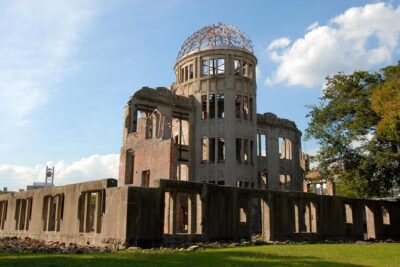
Peaceful Hiroshima & Miyajima UNESCO 1 Day Bus Tour
Read our review →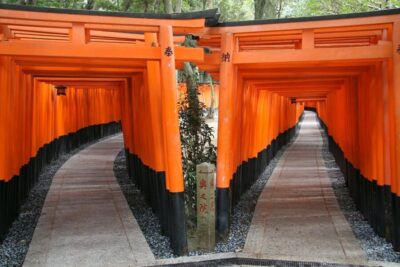
Kyoto: Fushimi Inari, Kinkakuji, Bamboo Grove 1 Day Bus Tour
Read our review →
Tokyo: Meiji Shrine, Asakusa, Skytree Bus Tour and Cruise
Read our review →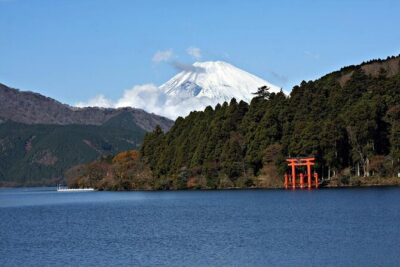
Mt Fuji & Hakone Cruise, Drum Show Bus 1 Day from Tokyo
Read our review →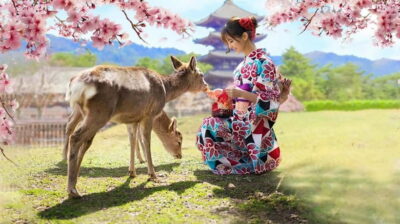
Kyoto/Osaka: Nara, Fushimi Inari Taisha, Arashiyama Bus Tour
Read our review →Other lists with this bus tour