
Review · KYOTO
Kyoto/Osaka: Nara, Fushimi Inari Taisha, Arashiyama Bus Tour
Nara’s sacred deer, Fushimi Inari’s endless orange gates, and Arashiyama’s bamboo forest make a powerful trio. This bus tour puts all three in one long day, with an English or Chinese-speaking guide keeping the group moving between Osaka, Kyoto, and Nara.
I like the easy transport and the way the day covers places that can be awkward to connect by train. I also like the built-in free time: you are not marched from one photo stop to the next, and Arashiyama gives you room to choose between temples, food, shopping, and extra sights.
The trade-off is pace. You get only about an hour at Nara Park and 70 minutes at Fushimi Inari, while traffic can affect the return time. If you prefer slow temple visits or long walks, independent travel will suit you better.
Key points to know before booking
- Three famous sights in one day: Nara Park, Fushimi Inari Taisha, and Arashiyama are all included.
- A bus removes the transport puzzle: The tour begins in Osaka or Kyoto and includes an air-conditioned vehicle, parking, fuel, and taxes.
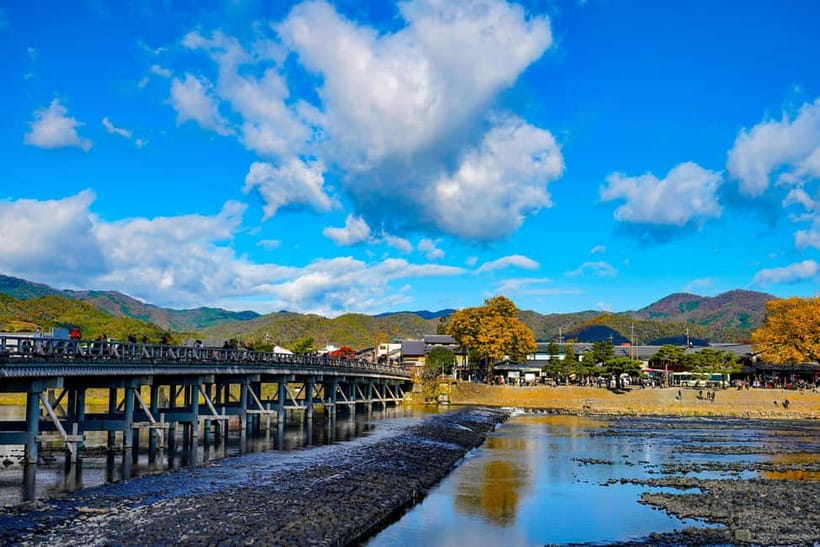
- Arashiyama gets the most breathing room: Plan on roughly two and a half hours for bamboo, Nonomiya Shrine, Togetsukyo Bridge, Kimono Forest, food, and optional extras.
- Guides are a major part of the experience: Amy, Willa, Christine, Fiona, and other guides are praised for clear meeting instructions, humor, history, and careful head counts.
- The day involves walking: Comfortable shoes, water, and weather protection matter. The tour is not suitable for wheelchair users or people with mobility impairments.
- Your return point matters: Tell the operator if you want to finish in Osaka or Kyoto. Without that request, the default is the original pickup point.
Why this day trip works for first-time visitors
Kyoto and Nara are close on a map, but their sights do not line up neatly for a casual day out. Nara lies east of Osaka, Fushimi Inari sits in southern Kyoto, and Arashiyama is on the city’s western side. Add crowded roads, unfamiliar train stations, and the need to watch the clock, and the appeal of a hired bus becomes clear.
The tour costs $52 per person. That is fair value if you want to see the main sights without arranging several train rides and local connections yourself. The price includes the guide, air-conditioned transport, taxes, parking, fuel, and handling charges. Food, drinks, personal purchases, and the entrance fee for Tenryu-ji are not included.
You should think of this as a first-look tour, not a slow cultural study. It gives you enough time to decide which places deserve a return visit. Several guides, including Amy, Willa, Christine, Fiona, Laura, and Frederick, are praised for keeping departure times clear and helping people stay oriented. The guide changes from departure to departure, so you cannot book a particular person unless the operator confirms it.
Departures leave Osaka at 8:00 AM and Kyoto at 9:00 AM. Arrive 10 to 15 minutes early. The bus leaves on time, and that rule matters when the day has several stops.
More bus tours around Japan:
- Mt Fuji and Hakone 1-Day Bus Tour Return by Bullet Train
★ 5.0 · 26,383 reviews - 1-Day Tokyo Bus Tour
★ 5.0 · 14,250 reviews - PERFECT KYOTO 1-Day Bus Tour
★ 5.0 · 13,518 reviews
Nara Park and the deer
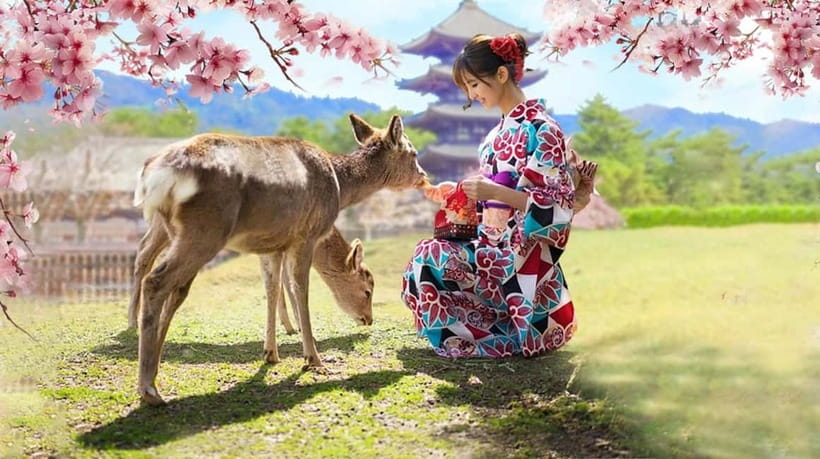
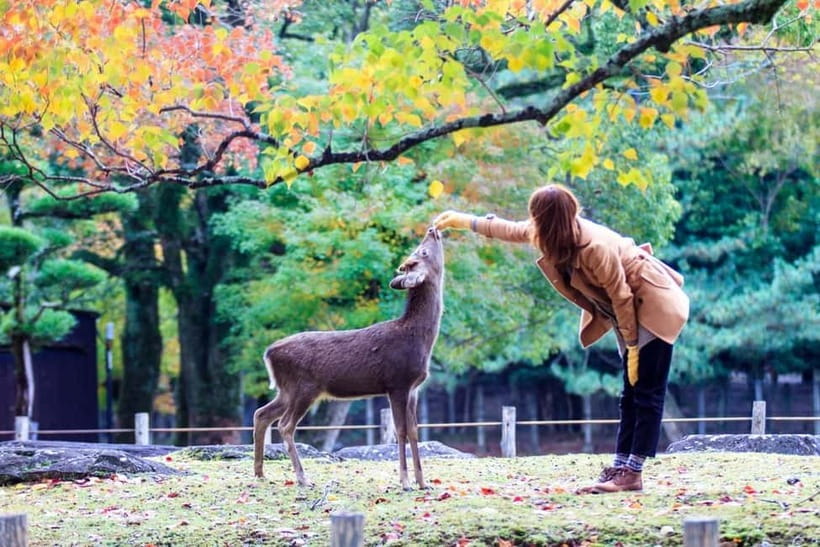
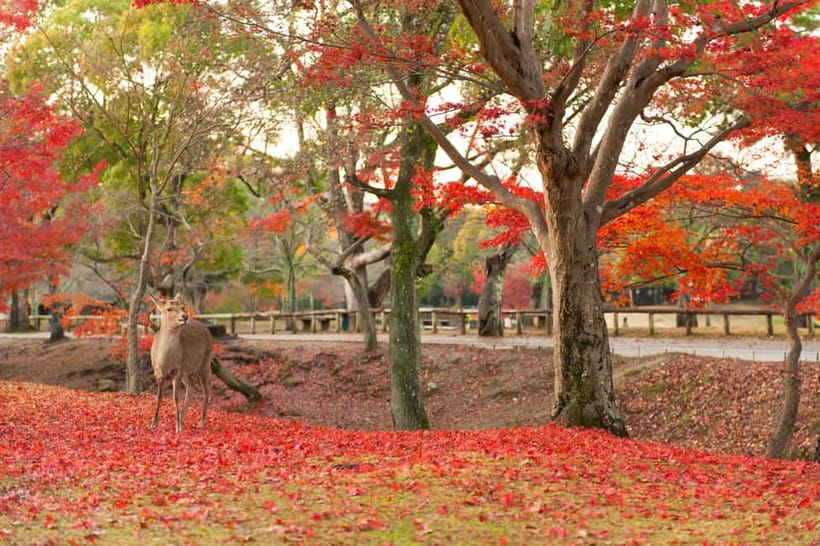
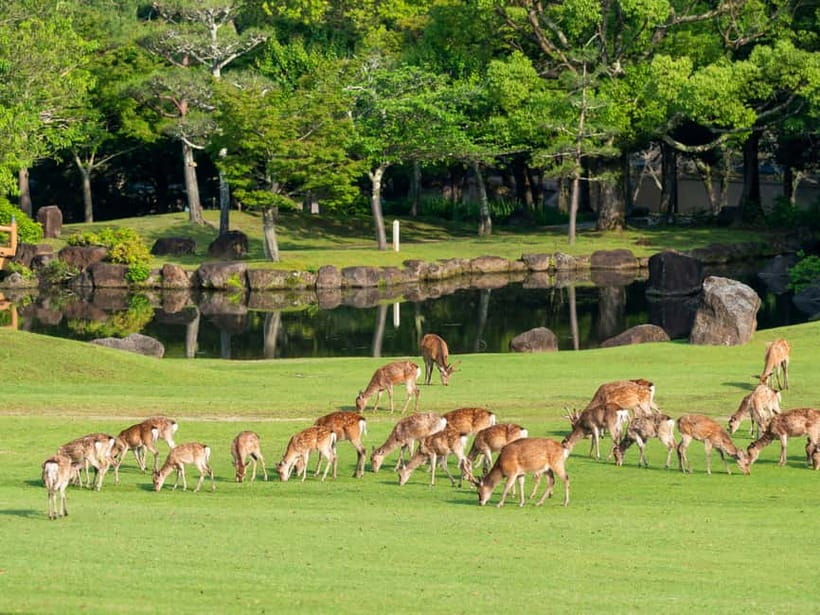
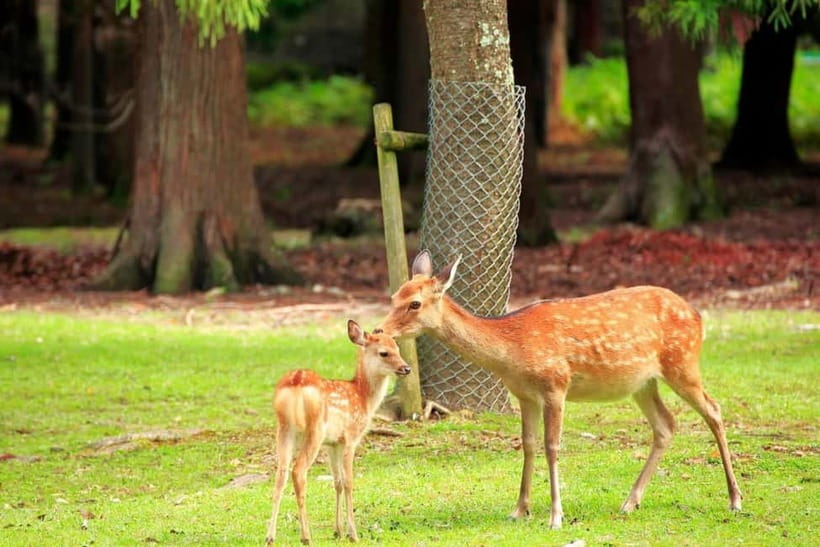
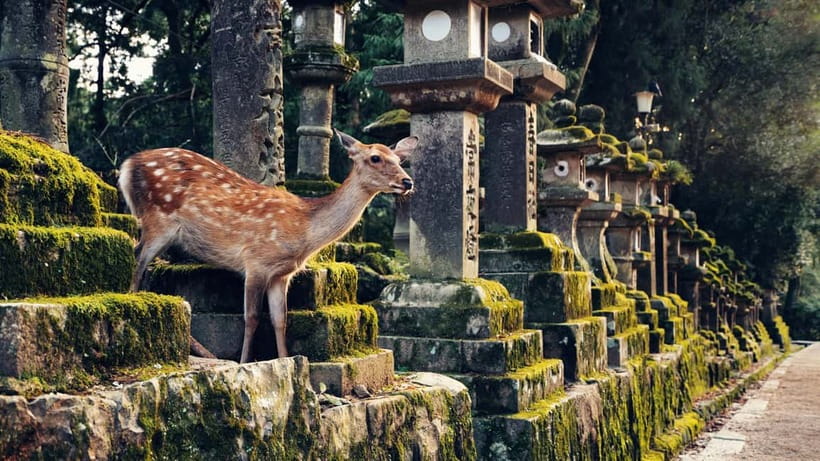
Your first major stop is Nara Park, with about one hour to explore. The park is famous for its free-roaming deer, regarded in local tradition as messengers of the gods. They are not kept behind fences, so you can see them moving through the park, near paths, and around temple grounds.
You can feed them special shika senbei, or deer crackers. Hold the crackers where the deer can see them, and once they are gone, show your empty hands. That simple gesture helps prevent a deer from waiting impatiently for more.
This is the most playful stop of the day, especially for families and anyone who wants a break from formal shrines. You can pet the deer when they are calm, take photos, and watch their interactions with people. Still, these are wild animals, not plush toys. Keep food secure, follow local signs, and give them space if they become pushy.
One hour is enough for a first visit, but it is not enough for a full exploration of Nara’s temple district. You will need to choose between spending time with the deer, walking farther through the park, or taking photos. If Todai-ji Temple or other Nara sights are your main goal, this tour does not leave room for a detailed visit.
Fushimi Inari’s orange tunnel
The next stop is Fushimi Inari Taisha, with about 70 minutes for walking and sightseeing. The shrine is dedicated to Inari, associated with prosperity, business success, and rice. Its famous torii gates form a striking corridor up Mount Inari.
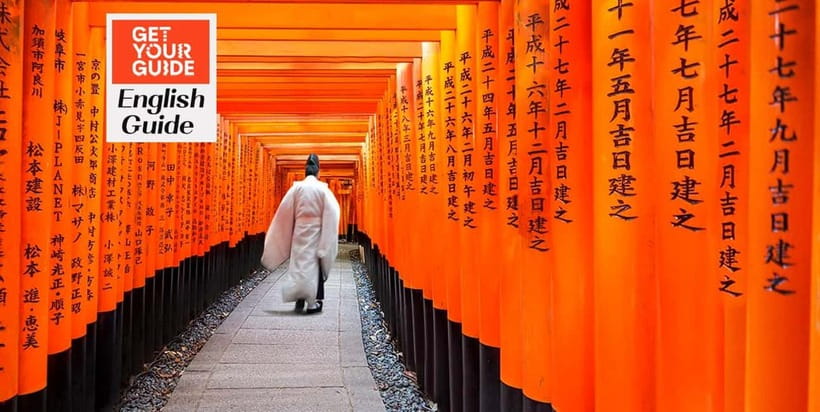
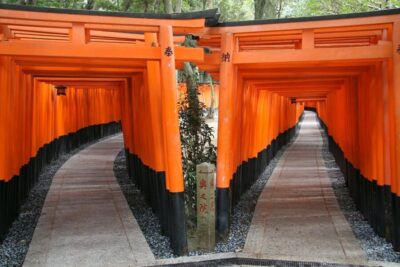
The lower section is the part most people come to see. Thousands of vermilion gates create a memorable tunnel, with dark forest and glimpses of stone fox figures around the paths. Foxes are linked with Inari as messengers, adding to the shrine’s unusual atmosphere.
You do not need to climb the entire mountain to enjoy this stop. With only 70 minutes, most people will spend time near the entrance and lower gates. The path can become crowded, particularly around the most photographed sections, so keep walking beyond the first cluster if you want a little more space.
This is also where the tour’s schedule can feel tight. Fushimi Inari rewards lingering, reading signs, taking photos, and walking uphill at your own speed. You will have time for a strong introduction, but not a full mountain hike.
The guide generally gives clear instructions about where and when to return. That is important here because the shrine paths can make it easy to lose track of time. Guides such as Amy and Christine are especially praised for gathering people efficiently and explaining the next step before arrival.
Arashiyama’s bamboo and old Kyoto atmosphere
Arashiyama is the longest stop, advertised at about two and a half hours, though the detailed schedule breaks that time into several short visits and free periods. This is the part of the day where you have the most choice.
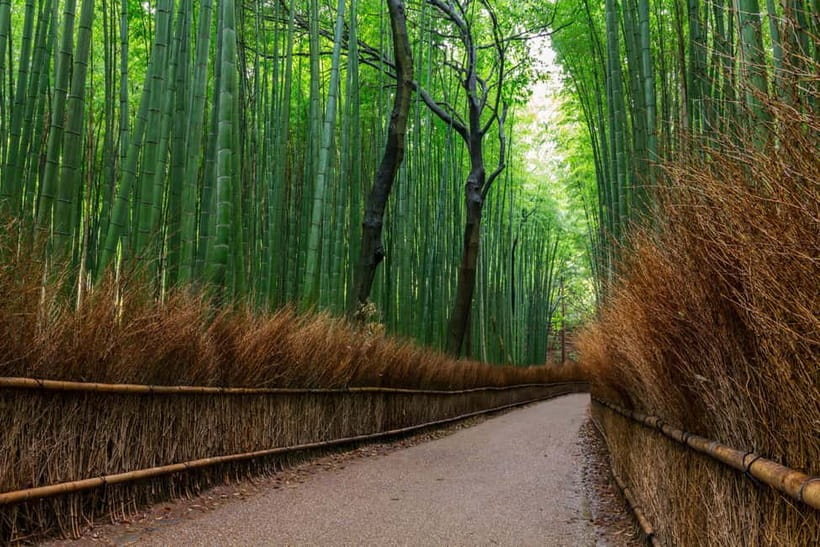
Start with the Arashiyama Bamboo Forest. Tall bamboo rises on both sides of the path, and wind moving through the stalks creates the calm sound people come to hear. The main walkway is popular and can be crowded, so treat it as a short scenic walk rather than expecting complete solitude.
The tour allows roughly 15 minutes specifically for the bamboo forest. That is enough for photos and a taste of the setting, but not a long wander. If the bamboo is your top priority, move there promptly rather than using the first part of your free time for food or shopping.
Same streets, a different ride:
- Peaceful Hiroshima & Miyajima UNESCO 1 Day Bus Tour
★ 5.0 · 5,309 reviews - Kyoto: Fushimi Inari, Kinkakuji, Bamboo Grove 1 Day Bus Tour
★ 4.8 · 4,316 reviews - Tokyo: Meiji Shrine, Asakusa, Skytree Bus Tour and Cruise
★ 4.7 · 1,986 reviews - Tokyo: Kamakura & Enoshima Day Trip including Temple Tickets
★ 4.5 · 1,375 reviews
Nonomiya Shrine
Nonomiya Shrine sits within the Arashiyama area and dates to the Heian period, more than 1,000 years ago. It is linked with love and academic success, making it a useful stop for those interested in the smaller sacred sites that can be missed on a rushed Kyoto visit.
Look for the shrine’s Kuroki Torii, an unpainted wooden gate. Its plain finish feels different from Fushimi Inari’s bright red gates and gives the stop a quieter character.
The planned visit is about 15 minutes. That is enough to see the gate and shrine grounds, but not enough for a lengthy visit or a careful look at every detail.
Tenryu-ji Temple
Tenryu-ji is a UNESCO World Heritage Site and one of Arashiyama’s major attractions. Its Sogenchi Garden is known for using borrowed scenery, allowing the surrounding hills to become part of the garden view. In autumn, the setting is especially attractive.
The temple entrance fee is extra. The tour includes a self-guided visit rather than a formal temple lecture, so you can decide how much time to spend inside. If gardens matter more to you than shopping or character-themed stops, use part of your free time here.
Because the Arashiyama schedule is divided among several places, you may need to make a choice. You probably cannot explore Tenryu-ji at length, linger in the bamboo, eat a full meal, and visit every optional stop without watching the clock.
Togetsukyo Bridge
Togetsukyo Bridge provides one of Arashiyama’s best open views. From here, you can see the river and surrounding hills, while rickshaws passing nearby add an old-fashioned touch.
The scheduled sightseeing time is about 15 minutes. Use it for a walk across part of the bridge, a few photographs, and a pause after the denser shrine paths. It is a simple stop, but it helps you see Arashiyama as a broader district rather than just a bamboo lane.
Kimono Forest and the station area
At Arashiyama Station, Kimono Forest presents about 600 pillars covered in Kyoto Kyo-Yuzen textile patterns. It is a modern art installation with strong colors and makes an easy photo stop.
The nearby station area also offers food and small shops. You might find local street food, restaurants, the Rilakkuma Tea House, and an Arashiyama footbath. The tour does not include meals or personal purchases, and the information provided does not specify an extra charge for the footbath, so check prices locally before committing.
This portion of the day is useful because it lets you shape the experience. You can focus on photos, sit down with a snack, shop, visit a temple, or simply rest before the return journey.
The bus, guides, and daily rhythm
The air-conditioned vehicle is the practical backbone of the tour. You avoid arranging separate trains and buses between three major sightseeing areas, and you can rest between stops. That matters after walking on shrine paths and through park grounds.
The downside is that road traffic is outside the operator’s control. The advertised duration is nine to ten hours, but the return can run late because of weather, congestion, or other unexpected delays. Do not schedule a tight dinner reservation, airport transfer, or evening show immediately after the tour.
The guide’s job is mainly to explain the places, give directions, share timing, and reunite the group. The strongest guide comments focus on organization as much as historical detail. Amy is praised for clear advance messages, humor, and helping people feel looked after. Willa is described as warm, punctual, and informative. Christine is praised for good recommendations and keeping the group together, even in rain. Fiona is noted for clear instructions and an upbeat manner.
These names give you an idea of the service style, but the actual guide varies. English and Chinese are offered, and the guide may share practical tips before each stop. Some guides also help with photos, food suggestions, and local choices.
How much walking should you expect?
This is not an intense mountain hike, but it is not a sit-down sightseeing trip. You will walk through Nara Park, shrine grounds, bamboo paths, station areas, and possibly temple gardens. Fushimi Inari includes uphill sections if you go beyond the lower gates.
Wear shoes you can comfortably use for several hours. Bring water, an umbrella, and clothes suited to the forecast. Smoking is not allowed on the activity.
The tour is not suitable for wheelchair users or people with mobility impairments. If you use a stroller, travel with an infant, or have large luggage, state that when booking. Japanese traffic rules count babies as passengers, so the operator needs accurate information before arranging the vehicle.
People who are pregnant or aged 70 and above are asked to sign a waiver on arrival. That does not automatically prevent participation, but it is worth considering the walking, steps, crowds, and long day.
Who should book this tour?
I would choose this tour if you are staying in Osaka or Kyoto for the first time and want a broad introduction to the region. It is also useful if you are moving between Osaka and Kyoto and would like to turn the transfer day into sightseeing. One traveler used the tour to relocate from Osaka to Kyoto while visiting the main stops along the way.
Families, solo visitors, and people who dislike transport planning should find the format useful. Solo participants may be seated with other solo people, which can make the long day feel more social.
I would not choose it if your main goal is a long hike up Mount Inari, a full visit to Nara’s temple district, or a slow afternoon in Arashiyama. You can see a lot, but you must respect the meeting times and accept that each stop is an introduction.
The cancellation terms are flexible, with a full refund available if you cancel at least 24 hours ahead. You can also reserve now and pay later, which helps if your Japan plans are still shifting.
Final call: a strong first-day sampler
At $52, this is a sensible way to connect three major sights without paying for separate transport or solving the route yourself. The best value comes from the combination of bus travel, a guide, and a carefully timed route through places that lie in different parts of the region.
Book it if you want efficient sightseeing with friendly direction, especially on a first visit. Skip it if you measure a good day by unhurried temple time, long meals, or setting your own pace. Arrive early, wear good shoes, tell the operator your preferred drop-off point, and treat Arashiyama as the place where your personal choices matter most.
FAQ
How long does the tour last?
The tour lasts about nine to ten hours. The return time can change because of traffic, weather, and other unexpected conditions.
Where can I join the tour?
There are pickup options at Harimaya Nippombashi 1-chome in Osaka and Kyoto Station Hachijo Entrance Square Sunken Garden. The exact meeting point depends on the option you book.
Can I finish the tour in a different city?
Yes. You can request an Osaka or Kyoto drop-off when making your reservation. If you do not provide a preference, drop-off defaults to the original pickup point.
Is Tenryu-ji Temple included in the price?
The temple visit is included in the itinerary as a self-guided stop, but the entrance fee is extra.
Are meals included?
No. Food and drinks are not included. Arashiyama has street food, restaurants, and other places to buy refreshments during free time.
What languages are available?
The tour offers English and Chinese-speaking guides.
Is the tour suitable for wheelchair users?
No. The tour is not suitable for wheelchair users or people with mobility impairments. If you are bringing an infant, stroller, or large luggage, provide those details when booking.
Just joined the route map around Japan
- Osaka/Kyoto: Katsuoji, Kinkakuji, Arashiyama 1-Day Bus Tour★ 4.6 · 33 reviews
- Okinawa: Full-Day Bus Tour to Yanbaru National Park★ 4.3 · 44 reviews
- Okinawa: Tropical Dream , Ryukyu Mura, Banta Cafe Bus Tour★ 4.3 · 19 reviews
- Okinawa: Churaumi Aquarium, Ryukyu Village & Manza Bus Tour★ 4.5 · 118 reviews
- Okinawa: Double-Decker Open Top Bus Tour for Shuri Castle★ 4.0 · 3 reviews
- Okinawa Churaumi or Tropical, Kouri American Village BusTour★ 4.4 · 140 reviews
- Okinawa: Bus Tour to Churaumi Aquarium with Sightseeing★ 4.3 · 20 reviews
- Kyoto: Full-Day Guided Bus Tour to Top Highlights & Tickets★ 4.6 · 533 reviews
Kyoto Bus Tours, side by side.
Kyoto: Fushimi Inari, Kinkakuji, Bamboo Grove 1 Day Bus Tour
Read our review →
Kyoto: Nijo, Kinkaku-ji, Arashiyama, Kiyomizu & Fushimi Inari
Read our review →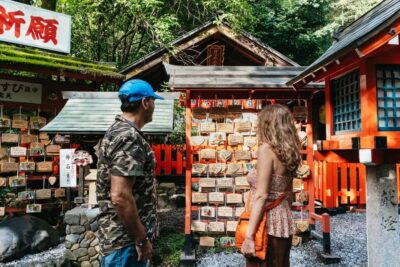
Kyoto: Full-Day Guided Bus Tour to Top Highlights & Tickets
Read our review →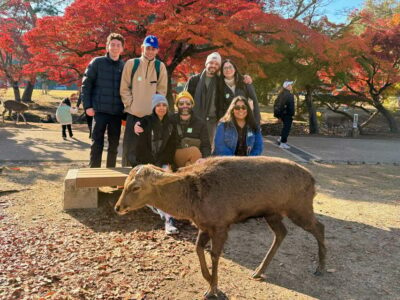
Kyoto: Nara & Traditional Matcha Experience Bus Tour
Read our review →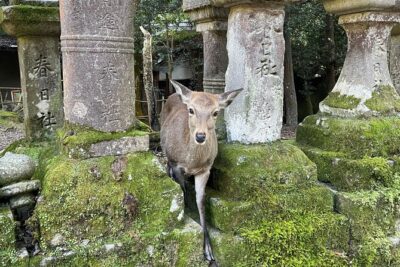
From Kyoto: Nara History Guided Half Day Bus Tour with Lunch
Read our review →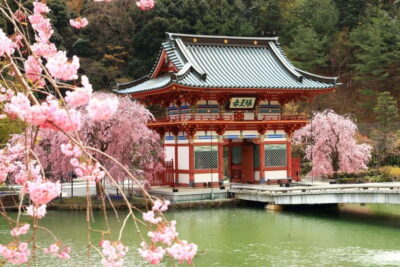
Osaka/Kyoto: Katsuoji, Kinkakuji, Arashiyama 1-Day Bus Tour
Read our review →
Kyoto Hozugawa River Boat Sagano Romantic Train Tour
Read our review →Other lists with this bus tour