
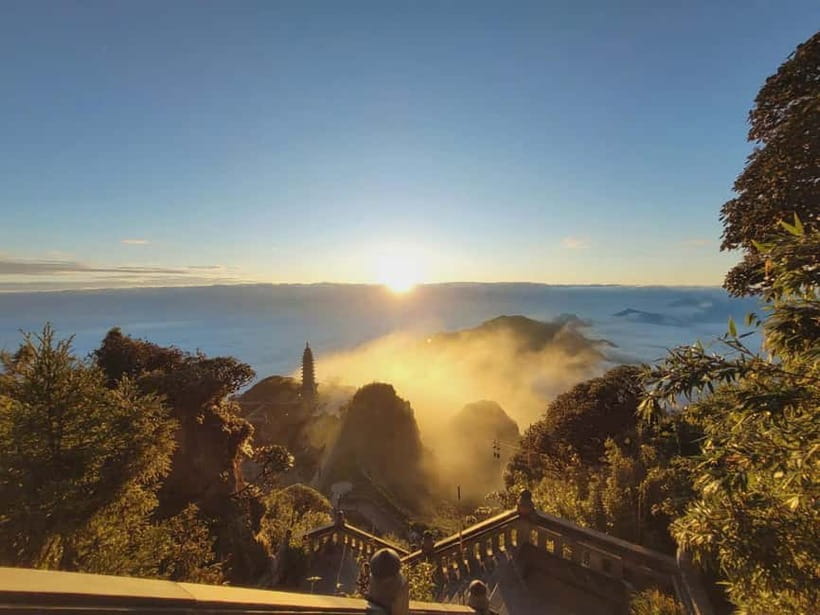
Review · HANOI
2 Day Sapa-Bac Ha Market: Night Train& Homestay-Bus Ha Giang
Sapa’s best moments happen on foot, not from a hotel balcony. This trip takes you through Black H’Mong villages, rice terraces, bamboo forest, and the Muong Hoa Valley before a night in Ta Van village, where a local family provides food and a mattress.
I like the mix of transport and walking: an old-style overnight train gets you close to the mountains, while the trek gives you time to notice cooking smoke, school buildings, waterfalls, and village life. I also like the human side of the tour. Guides such as Tung and Soa have been praised for their stories, humor, cultural knowledge, and careful attention.
The main caution is the schedule. You arrive around dawn after the night train, walk for much of the day, and sleep in a basic shared homestay. The Bac Ha Market visit is an optional extension, not part of the standard two-day return to Hanoi, and the bus to Ha Giang costs extra.
Key points to know before booking
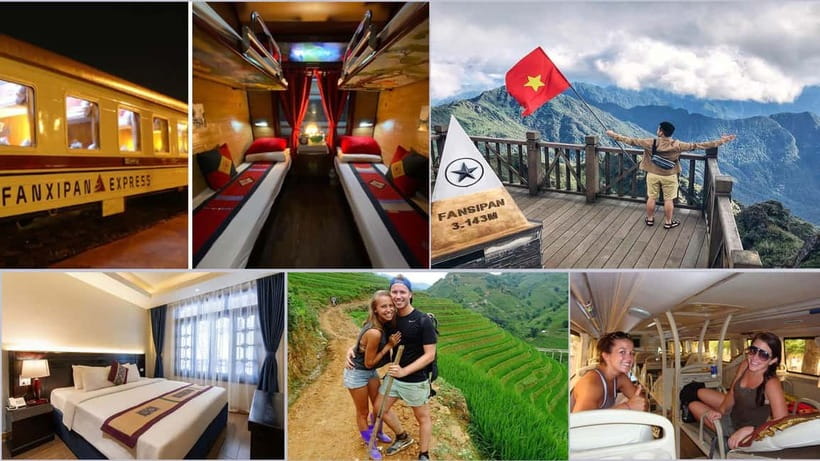
- The first day is a full trekking day: Cat Cat, Lao Chai, and Ta Van involve several hours on foot over village paths and mountain terrain.
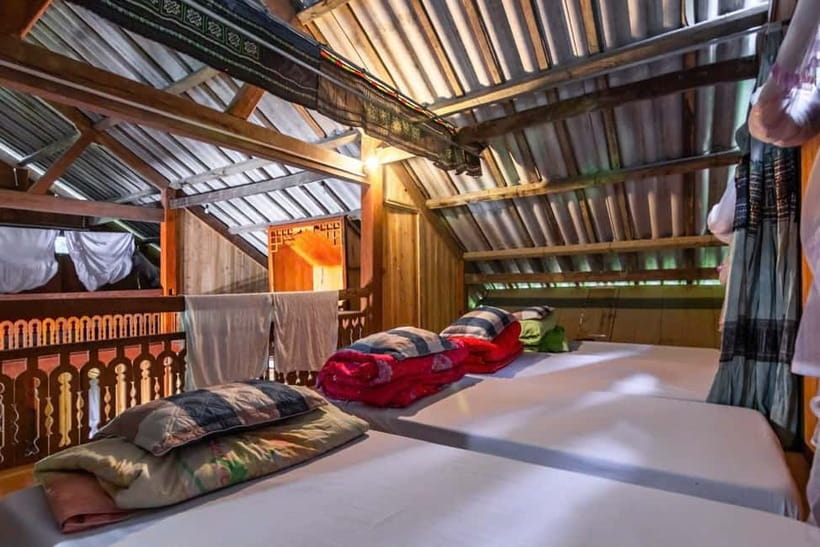
- Ta Van homestay is simple: Expect a shared room or single mattress, fresh food, clean water, and a public bathroom rather than hotel comforts.
- Your guide shapes the experience: Tung and Soa have both been praised for explaining local culture in a warm, personal way, though guides may change by route.
- Bac Ha requires extra time: The Sunday market option adds an overnight in Bac Ha and a third day, including Hoang A Tuong’s castle and Pho village.
- Ha Giang is a separate onward connection: Buses leave Sapa at about 2:30 pm and 7:30 pm, with a six-hour ride and an extra fee.
- The $56 price is attractive for the basics: It covers transport arrangements, guiding, meals listed in the schedule, entrance tickets, and the homestay, but not drinks, insurance, or optional onward buses.
Why this Sapa trip works better than a quick viewpoint visit
Many Sapa outings focus on a cable car, a lookout, or a short walk near town. This one gives you a fuller picture. You move from Sapa town into Cat Cat, continue through Lao Chai, sleep in Ta Van, and walk again toward Giang Ta Chai.
That route matters because the villages are not just photo stops. You see homes, children’s schools, fields, streams, and daily work spread through the Muong Hoa Valley. Your guide can add context about the Black H’Mong, Red Dao, and Giay communities, helping you understand that the valley is lived-in countryside, not a stage built for visitors.
The group is limited to 15 people. That is not a private walk, but it is small enough for a guide to answer questions and keep the group together on uneven paths. The experience is offered in Vietnamese and English, and the local guide can change depending on the route.
At $56 per person, the basic package offers good value if you want transport from Hanoi, a guided trek, meals, and an overnight homestay without arranging every piece yourself. The price looks less complete if you plan to add Ha Giang or Bac Ha, since both involve extra time or payment.
More rail and bus days around Hanoi:
- Hanoi City Tour: Bat Trang, Train Street, Lunch & Luxury Bus
★ 4.9 · 15 reviews - 1 Day – 1/2 Day Hanoi City – Luxury Bus, Lunch, Train Street
★ 4.9 · 8 reviews - Mt Fuji and Hakone 1-Day Bus Tour Return by Bullet Train
★ 5.0 · 26,383 reviews
The night train from Hanoi to Lao Cai
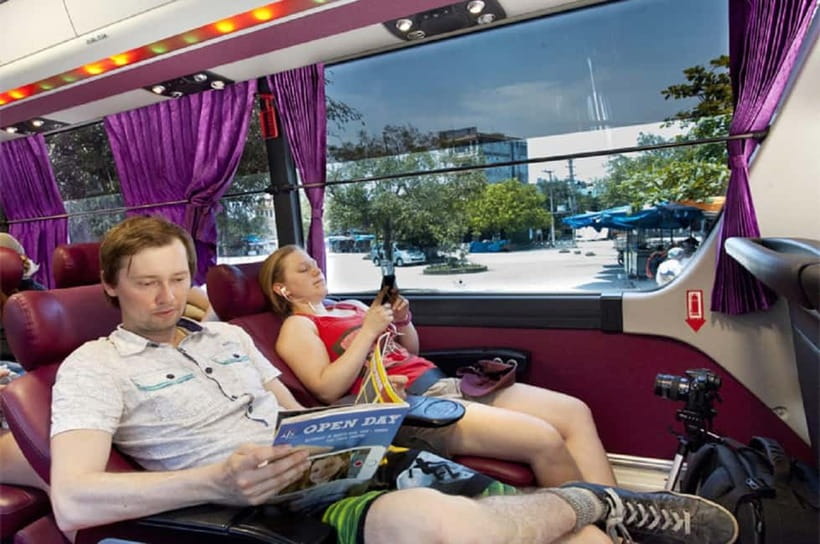
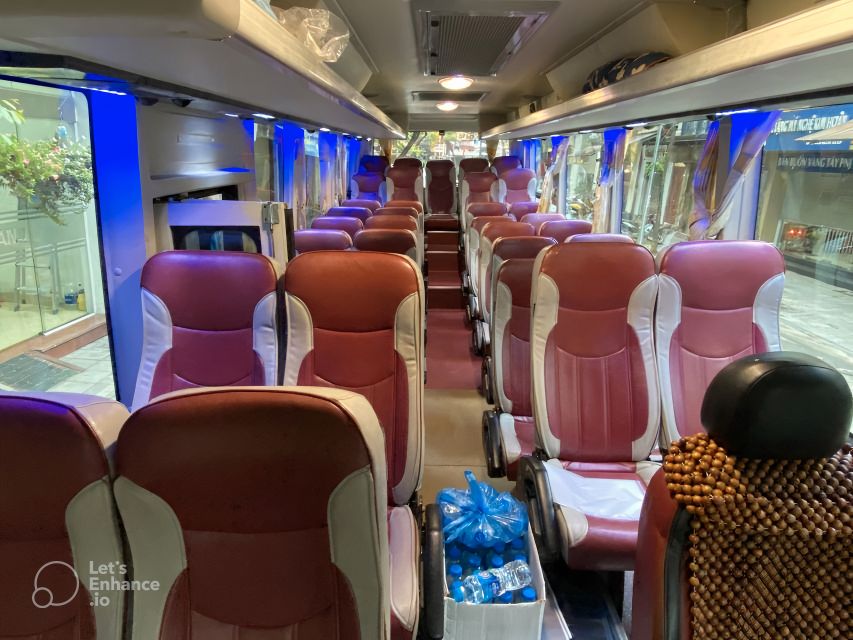
The journey begins at Hanoi Train Station, where you meet the local representative for a night train such as SP1, SP2, or SP3. Departure is around 9:30 pm. Depending on the option you book, the Hanoi to Sapa connection may use a sleeper bus instead.
The train is part of the appeal. It is an old-fashioned overnight ride, with the practical advantage of saving a hotel night. You wake at Lao Cai around 5:00 am, meet the driver, and travel roughly 40 kilometers uphill to Sapa.
This is not a gentle start. You have a very early arrival, a road transfer, and then breakfast and freshening up at the hotel before the walking begins. Pack a small trekking bag and keep your walking shoes, sunscreen, and insect repellent easy to reach. Your main luggage may be more trouble on village paths, so light packing is wise.
The sleeper train also has a romantic side, but comfort varies by option. If you sleep lightly, the train, early pickup, and first full trekking day may leave you tired. If saving daytime travel and a hotel night matters more than a slow morning, the arrangement makes practical sense.
Cat Cat village and the first short walk
After breakfast, you meet your local H’Mong guide and begin with Cat Cat village. The village is associated with the Black H’Mong community and sits close to Sapa, making it a manageable first section after the night journey.
You see the Muong Hoa stream, terraced fields, and a waterfall. The route also includes a hydroelectric power plant built during the French period and schools serving local children. These details give the walk more substance than a simple scenic stroll.
Cat Cat is also the busiest and most developed stop on this route. Keep your expectations sensible. You are visiting a working village that has become a major stop near Sapa, not an untouched settlement. The reward is easy access to H’Mong culture and mountain scenery without starting with the longest section of the trek.
After Cat Cat, a car returns you to the hotel for lunch. That short vehicle transfer gives your legs a break before the more scenic afternoon route.
Lao Chai and the Muong Hoa Valley
The afternoon walk heads toward Lao Chai, a Black H’Mong village beside the Muong Hoa Valley and stream. This is where the route feels more open. Terraced fields spread across the slopes, with the peaks around Fansipan forming the mountain backdrop.
The details are ordinary in the best sense: houses, cooking smoke, paths, fields, and people going about daily life. Your guide can help you read what you are seeing instead of reducing the valley to a series of photographs.
The trek is described as one of Sapa’s most scenic walking routes, but it is still a trek. You should bring proper footwear with a good grip. Mountain paths can be tiring, and the tour is not suitable for pregnant women, children under six, or people with mobility limitations.
The schedule gives you lunch before this section and brings you toward Ta Van in the afternoon. That timing allows you to walk in daylight, but you should not treat the day as a light sightseeing tour. The combination of an overnight journey and a long walk requires reasonable fitness.
More market stops around Hanoi:
- From Algarve Coast: Day Trip by Bus to Loule Market
★ 3.5 · 13 reviews - Nairobi: Hop on Hop off and Maasai market Collections Visit
★ 3.5 · 10 reviews - Bangkok: Premium Damnoen Saduak & Railway Market By Food Bus
★ 4.8 · 8 reviews - Christmas market lights tour bus through Berlin, free mulled wine (2.5 hours)
★ 4.8 · 6 reviews
Sleeping in Ta Van with a local family
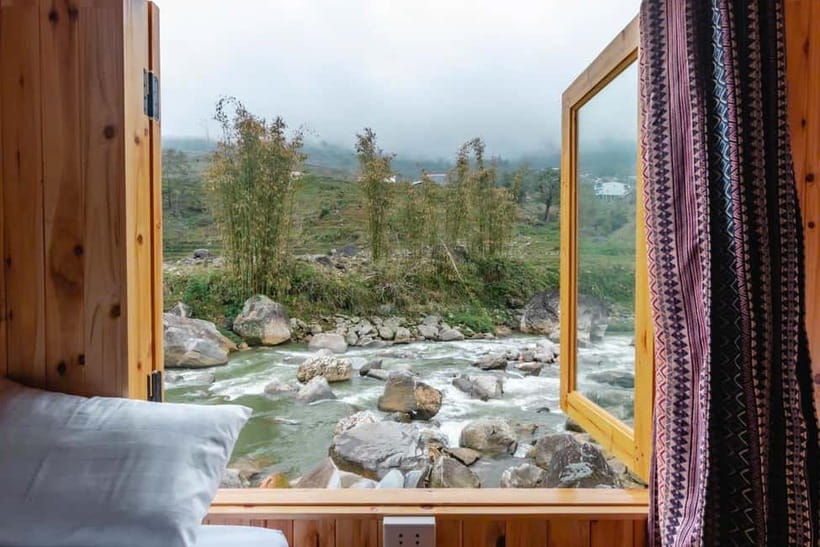
Ta Van is home to Giay people, and the overnight stay is one of the strongest parts of the experience. Instead of returning to Sapa, you spend the night in the valley where you have been walking.
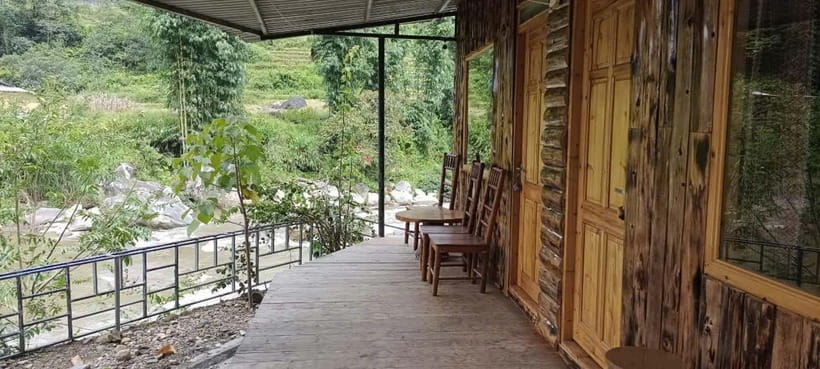
The homestay is basic. You receive a shared room or a single mattress, and the bathroom is public. Clean water and fresh food are provided, but you should not expect a private hotel room, polished fixtures, or a quiet luxury retreat.
That simplicity is part of the value. You eat dinner at the homestay, sleep near the village, and have more contact with local life than you would from a standard Sapa hotel. The arrangement also keeps the itinerary moving, since you do not need to retrace the route to town at the end of the day.
Tung has been praised for combining cultural explanations with humor, while Soa has been praised for sharing her own culture openly and making people feel cared for. Those qualities matter here. A homestay can feel awkward if you do not understand the setting, but a good guide helps you take part respectfully.
Bring cash in Vietnamese dong. The banking system in Sapa can be unreliable, and US dollars, euros, and Australian dollars are also accepted according to the tour information. Drinks, personal purchases, and other items outside the stated meals are your responsibility.
The morning walk to Giang Ta Chai
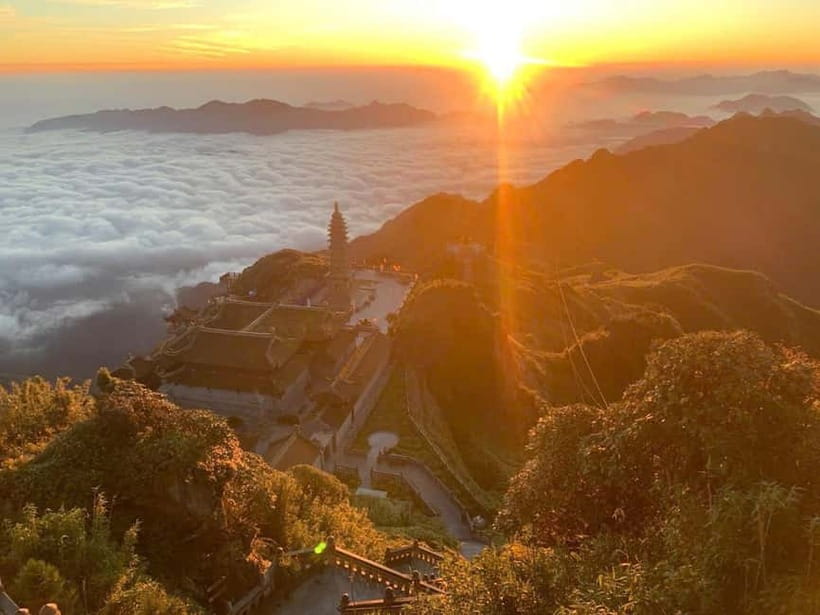
After breakfast at sunrise, you walk from Ta Van toward Giang Ta Chai. This is a medium trek and includes views over the Muong Hoa Valley and a bamboo forest.
Giang Ta Chai is connected with Red Dao, Giay, and Black H’Mong communities. That mix gives the morning a different cultural focus from the earlier Black H’Mong sections, although the exact guiding route can vary.
The bamboo forest and valley views provide a quieter finish than Cat Cat. You are still walking over mountain paths, so tired legs are normal. The tour then uses a car to return you to Sapa for lunch.
This second day is shorter than the first in walking terms, but it still follows a night in a simple homestay. If you want a slow morning and plenty of time for Sapa cafés, this is not the right format. If you want one more walk before returning to transport, it fits well.
Choosing the Bac Ha Market extension
The standard plan returns you toward Hanoi after lunch, usually preparing for a bus around 1:30 or 2:00 pm. The bus makes two or three breaks and stops at 160 Tran Quang Khai Street in Hanoi, from where you make your own way to your hotel.
Bac Ha changes the trip into a longer option. After lunch on the second day, a guide and private car take you roughly two hours to Bac Ha. You check into a hotel, have dinner, and visit the market on Sunday morning.
Bac Ha Market is known for exchanges involving pigs, hens, souvenirs, and other goods. Red H’Mong, Giay, Red Dao, and Tay people attend, giving the market a strong regional character. The appeal is not simply shopping. You get to see how goods, animals, and conversation meet in a mountain market.
The extension also includes Hoang A Tuong’s castle, once associated with a H’Mong ruler and his family, plus Pho village near Bac Ha. A walk through Pho gives you a slower look at local daily life after the market.
After lunch, a car takes you to Lao Cai to catch transport back to Hanoi, again with two or three breaks. This option is worthwhile if Bac Ha is a priority, but it is not a quick add-on. You need a Sunday market day, an extra hotel night, and a longer journey.
Continuing from Sapa to Ha Giang
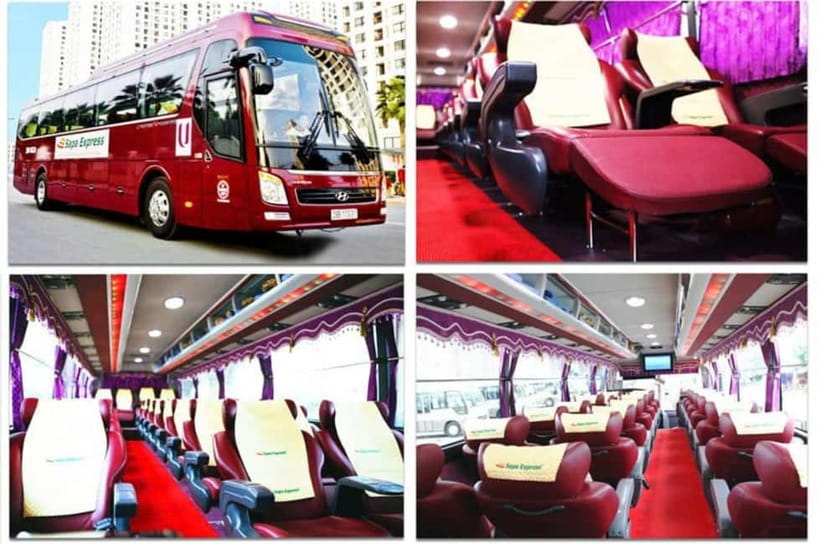
The title of the experience points toward Ha Giang, but the Ha Giang bus is not included in the $56 base price. From Sapa, you can continue by limousine bus at about 2:30 pm or sleeper bus at about 7:30 pm, with the ride taking roughly six hours.
The limousine bus has 18 seats and picks up at May Hotel. The sleeper bus has about 40 seats and uses its own meeting point. Both require an additional payment, listed as 300,000 Vietnamese dong per person in the supplied details, though you should confirm the current amount before booking.
This connection is useful if Sapa is one part of a larger northern Vietnam route. It saves you from returning to Hanoi before heading north again. The drawback is another long road journey immediately after trekking, so plan for a tiring travel day.
If Ha Giang is your main goal, ask the supplier to confirm the exact pickup point, bus type, departure time, and extra cost. Leave your WhatsApp, Line, Viber, or KakaoTalk contact so the local operator can confirm the arrangements.
What is included for $56
The base price covers the main transport connection between Hanoi and Sapa, using a night train and sleeper bus depending on the selected option. It also includes a local English-speaking guide, the meals listed in the schedule, the Ta Van homestay, and entrance tickets shown in the plan.
That is a useful bundle for an independent-minded visitor who does not want to arrange train tickets, village transport, a guide, and meals separately. The small group limit of 15 adds value without the cost of a fully private trip.
You still need to budget for beverages, insurance, VAT, personal expenses, a private homestay room, and any single supplement. The Ha Giang bus and the private Bac Ha option are also separate considerations. Holiday surcharges of 700,000 Vietnamese dong per person apply on listed dates, including April 30, May 1, September 1 to 3, December 24 and 31, and January 1.
Cancellation is flexible up to 24 hours before the activity for a full refund, and you can reserve now and pay later. Those terms help if your northern Vietnam route is still changing, but confirm the exact booked option because meeting points vary.
Who should book this Sapa trek?
I would choose this trip if you want village walking, local guiding, and a homestay more than polished accommodation. It suits you if you can manage a long first day on foot and accept an early arrival after an overnight train.
It is also a good fit for people who want to connect Sapa with Ha Giang or add Bac Ha without building the route from scratch. The optional choices make the trip flexible, though they also mean you must check what is included before paying.
I would hesitate if you need a private bathroom, a relaxed schedule, or guaranteed control over your guide. The homestay is simple, the route is physically active, and transport after Sapa involves extra planning.
Should you book it?
Book this experience if the main attraction is walking through Sapa’s ethnic villages and spending a night in Ta Van. The strongest features are the route through Cat Cat, Lao Chai, and Giang Ta Chai, plus the chance to learn directly from a local guide such as Tung or Soa when available.
Choose the Bac Ha extension only if you can stay through Sunday and accept a third day. Choose the Ha Giang connection if you are ready for another six-hour bus ride and the added fare.
For $56, the standard trip offers a practical way to combine overnight transport, a substantial trek, meals, and a local homestay. Just pack lightly, wear serious walking shoes, carry cash, and treat the word homestay as a promise of local contact, not hotel comfort.
FAQ
How long does the standard experience last?
The standard activity lasts two days, with an overnight journey from Hanoi before the Sapa portion begins. Starting times depend on availability and the option you select.
How do I travel from Hanoi to Sapa?
The trip uses a night train or sleeper bus, depending on the option booked. The listed train services depart Hanoi at about 9:30 pm.
What time do I reach Lao Cai?
The train arrives at Lao Cai at about 5:00 am. A driver then takes you approximately 40 kilometers to Sapa.
Which villages are included in the trek?
The route includes Cat Cat, Lao Chai, Ta Van, and Giang Ta Chai. The walks pass through terraced fields, bamboo forest, the Muong Hoa Valley, and village areas.
Where do I sleep?
You sleep at a homestay in Ta Van. The accommodation provides a shared room or single mattress and a public bathroom.
Are meals included?
The listed meals are included. The first Sapa day includes lunch and dinner, while the second day includes breakfast and lunch. Beverages are not included.
Can I visit Bac Ha Market?
Yes, but Bac Ha is an optional extension and is available on Sunday. It adds a hotel night in Bac Ha, a private car and guide, a visit to Hoang A Tuong’s castle, and a stop in Pho village.
Can I continue from Sapa to Ha Giang?
Yes. Buses leave Sapa at about 2:30 pm and 7:30 pm, with the journey taking about six hours. The limousine and sleeper bus options require an extra payment.
Is the trek suitable for children and people with mobility limitations?
The activity is not suitable for children under six or handicapped people. Pregnant women should also not take part. Comfortable trekking shoes, sunglasses, sunscreen, and insect repellent are recommended.
More two-day coach trips around Hanoi
- From Hanoi: 2-Day Sapa Limo Bus Tour & Fansipan Peak Visit
★ 4.6 · 277 reviews - 2-Day Trekking Adventure of Sapa from Hanoi with Night Bus
★ 5.0 · 134 reviews - From Hanoi: 2-Day Sapa-Fansipan Peak & Trek & Ha Giang Bus
★ 4.8 · 52 reviews - From Hanoi: Sapa 2D1N Homestay overnight by Morning bus
★ 4.8 · 8 reviews
More shopping stops around Hanoi
- Cancun City Sightseeing and Shopping Tour on a Double Decker bus
★ 4.0 · 540 reviews - Washington DC: National Mall Night Bus Tour
★ 4.6 · 313 reviews - Cancun: Guided City Tour with Shopping by Double Decker Bus
★ 4.0 · 94 reviews - Mallorca: Fashion Outlet Shopping Excursion by Bus
★ 4.6 · 5 reviews
Just joined the route map around Hanoi
- Private Car/Bus Renting Hanoi – Ninh Binh – Halong – Sapa…★ 4.0 · 33 reviews
- Best Of Hanoi City Tour With Incense Village-Small Group Bus★ 5.0 · 7 reviews
- Incense Village Ninh Binh Boat Ancient Capital Limosine Bus★ 5.0 · 13 reviews
- Hanoi Highlight Full Day City Tour By Bus★ 4.6 · 7 reviews
- Hanoi City Tour: Bat Trang, Train Street, Lunch & Luxury Bus★ 4.9 · 15 reviews
- Hanoi Exclusive Craft Beer Bus: Cultural Sightseeing Tour★ 5.0 · 14 reviews
- Hanoi: Centuries of Highlights in 1 Hour by Open-Top Bus★ 3.8 · 101 reviews
- Hanoi: 4 Hour Hop on Hop off Bus Tour★ 4.0 · 47 reviews
Hanoi Bus Tours, side by side.

Ninh Binh Day Trip: Bai Dinh-Trang An-Mua Cave, Buffet, Boat, Bus
Read our review →
Hanoi: City Sightseeing Hop-On Hop-Off Bus Tour
Read our review →
From Hanoi: 2-Day Sapa Limo Bus Tour & Fansipan Peak Visit
Read our review →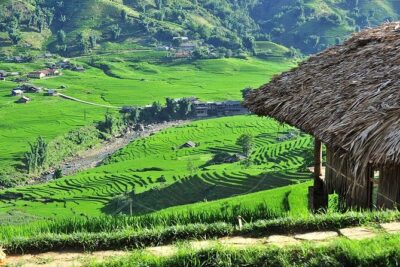
2-Day Trekking Adventure of Sapa from Hanoi with Night Bus
Read our review →
Hanoi: Centuries of Highlights in 1 Hour by Open-Top Bus
Read our review →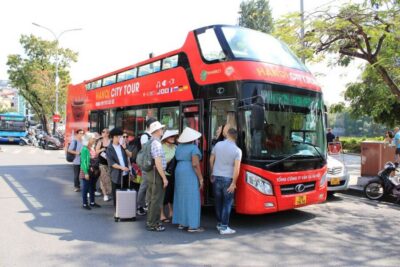
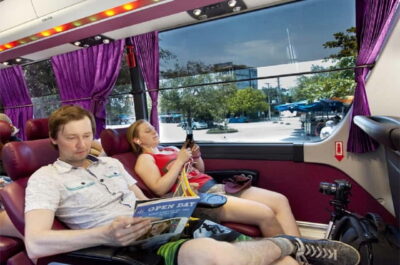
From Hanoi: 2-Day Sapa-Fansipan Peak & Trek & Ha Giang Bus
Read our review →
Private Car/Bus Renting Hanoi – Ninh Binh – Halong – Sapa…
Read our review →Other lists with this bus tour